
Reviewed · ZAGREB BIKE & CYCLING TOURS
Classic Zagreb Bike Tour
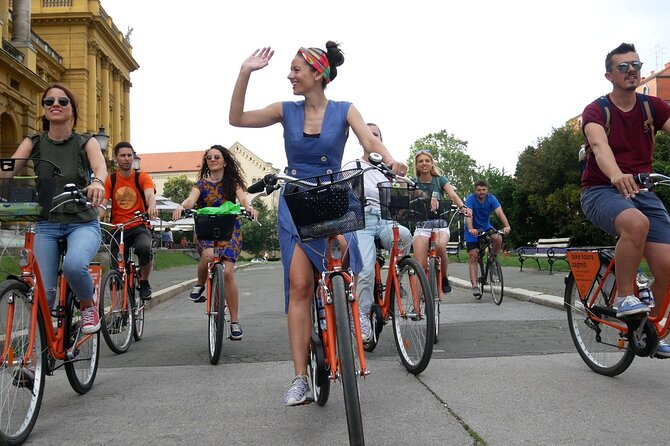
Zagreb comes at you fast on two wheels. This Classic Zagreb Bike Tour threads together the city’s big landmarks with quick photo-and-story stops, plus a included coffee, cold drink, or ice-cream break to keep the pace relaxed. I like that it’s a small group format, so you get real navigation and commentary instead of just being dropped off at viewpoints.
What I like even more is the human side: guides such as Iva, Eva, Filip, Sandro, and Zeljka show up in the feedback, and the common theme is friendly, on-the-ground explanations and practical suggestions around Zagreb. One possible drawback: a few past riders have raised concerns about bike/helmet condition and group control on busy streets, so it’s smart to do a quick check before you roll.
In This Review
- Key Things That Make This Bike Tour Worth Your Morning
- Classic Zagreb Bike Tour in 3 Hours: Price, Group Size, and What’s Included
- Why Pedaling Beats Walking in Zagreb’s Old Districts
- The Route Stop-by-Stop: From Cathedral Foundations to Zrinjevac Squares
- Stop 1: Cathedral of Zagreb (Kaptol) — Where the story starts
- Stop 2: Dolac Market — The city’s food heartbeat
- Stop 3: Tkalciceva Street — From old conflict to nightlife hub
- Stop 4: Krvavi Most (Bloody Bridge) — Gradec vs. Kaptol
- Stop 5: Petrini Pyli (Stone Gate) — A patron-saint landmark
- Stop 6: St. Mark’s Church — A city symbol with medieval roots
- Stop 7: Funicular Railway — Upper Town access, 1892 style
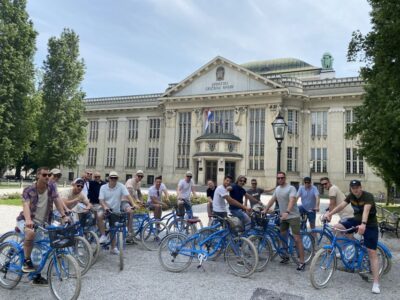
- Stop 8: Croatian National Theatre — The Illyrians’ dream in brick
- Stop 9: King Tomislav Square — Early Croatian power
- Stop 10: Zrinjevac — One big plan for the lower city
- The Included Coffee, Cold Drink, or Ice Cream Break (And Why It’s Not Just Extra)
- Bikes, Helmets, and Street Safety: Your Quick Pre-Ride Checklist
- Who This Bike Tour Fits Best (And Who Should Rethink It)
- What to Do After: Turn the Tour Into a Full Zagreb Day
- Should You Book the Classic Zagreb Bike Tour?
- FAQ
- Where does the Classic Zagreb Bike Tour start?
- How long is the tour?
- What’s included in the price?
- What is not included?
- What group size should I expect?
- What language is the tour in?
- Can most people participate, and are service animals allowed?
Key Things That Make This Bike Tour Worth Your Morning
- Three hours of sightseeing that covers far more than a slow walk
- A stop pattern built for learning: Cathedral, Dolac Market, St. Mark’s, Stone Gate, and more
- Included refreshments (coffee, a cold drink, or ice-cream) so you’re not stuck “touring on empty”
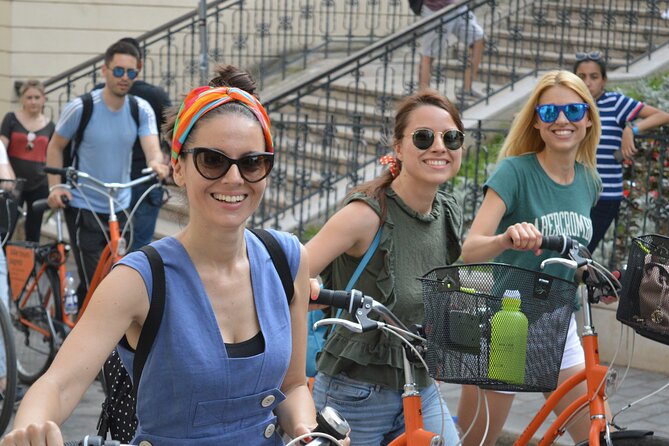
- Small group up to 12 people, which usually means smoother pace and easier question time
- A built-in historical contrast: Gradec vs. Kaptol, plus a look at Upper Town via the 1892 funicular (ticket not included)
- English-language guiding with photo from the tour added value
Classic Zagreb Bike Tour in 3 Hours: Price, Group Size, and What’s Included
This is a straightforward “see the highlights with context” Zagreb bike tour. You’re looking at about 3 hours total, and the price is $54.44 per person. For the time on the ground, I think the value comes from the mix of guided route + included break + the fact you’re not fighting transit timetables or trying to line up sights across the city.
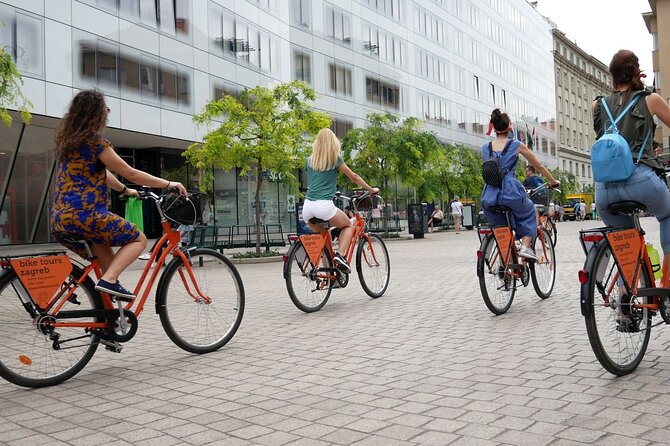
The group stays compact, with a maximum of 12 travelers, and you get a local guide who handles navigation. You also get the basics to keep it easy to participate: a bicycle and a helmet are included, as well as coffee, a refreshing drink, or ice-cream during the break. There’s also a photo from the tour, which is a nice extra if you don’t want to fumble with your phone while bikes are rolling.
Not everything is bundled. The funicular railway ticket isn’t included, and alcoholic drinks aren’t included. Also, this runs in English, and you’ll meet at Jurišićeva ul. 19, 10000 Zagreb, then finish back at the same place.
One more real-world note: this is typically booked about 38 days in advance on average. If you’re traveling in a busy season or on a tight schedule, I’d book early so you don’t end up hunting for another tour that day.
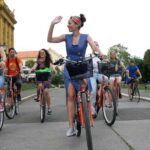
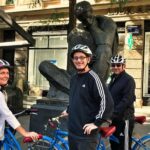
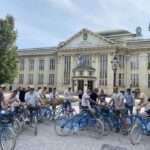
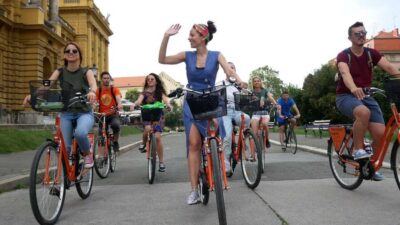
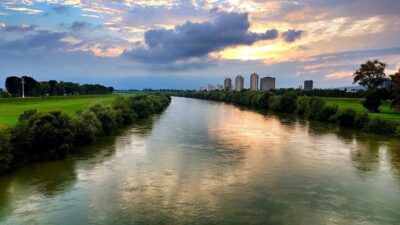
More of the city and the green edges on two wheels at an easy pace.
Why Pedaling Beats Walking in Zagreb’s Old Districts
Zagreb has a “layers” feel. You get the Lower Town with its squares and markets, then the Upper Town vibe with steep bits and older streets. A bike tour makes sense because you can cover the distance between those zones without burning time.
The ride is designed to be manageable for most people. One review even described the route as easy with only one real uphill, and another mentioned the pace feeling relaxed. That matches what you want from a classic city orientation: you learn the why behind what you’re seeing, without turning the whole morning into a workout.
That said, don’t expect the ride to be on a brand-new bike path the whole time. Parts of Zagreb’s core are cobblestone, pedestrian-heavy areas, and tram/bus zones, so you’ll be moving through traffic conditions that call for attention. The best way to think about it is: the tour is built for sightseeing, not for hardcore cycling.
Also, this route is paced with frequent short stops (often around 10–20 minutes). That matters because Zagreb’s top sights are spread out enough that you’d spend more time “getting between” on foot than actually looking.
The Route Stop-by-Stop: From Cathedral Foundations to Zrinjevac Squares
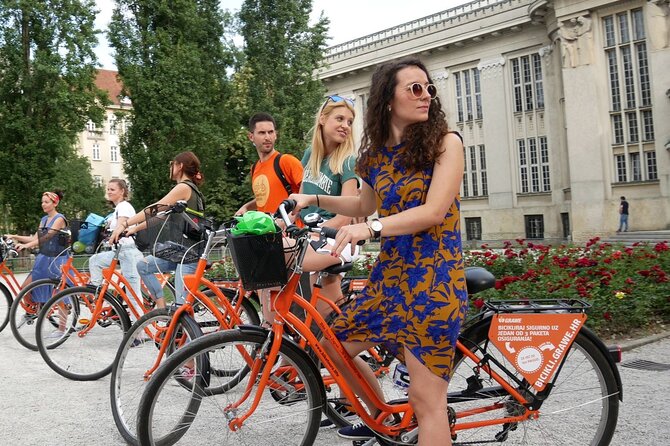
You’ll hit a set of landmarks that tell Zagreb’s story in a clear sequence. The stops are short, but they’re placed so the explanations make sense as you ride.
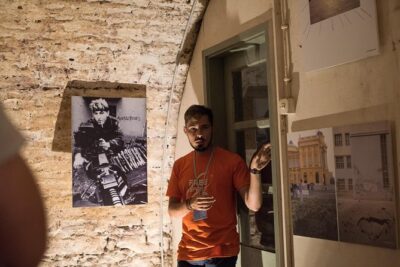
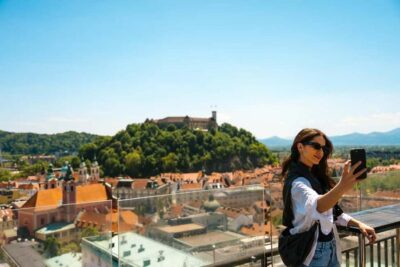
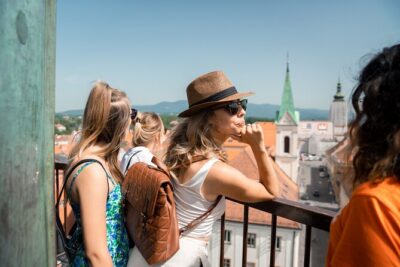
Stop 1: Cathedral of Zagreb (Kaptol) — Where the story starts
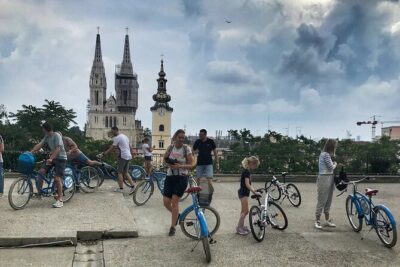
You begin at the Cathedral of Zagreb area. The tour frames its importance back to 1093, when the Hungarian king Ladislav founded the Diocese in what’s now Kaptol and raised the church to cathedral level at the time. It’s a quick stop (about 10 minutes), and admission for the stop is listed as free.
For your visit, this is more than a pretty opening photo. It gives you the anchor for everything that follows: the split between historical districts and how Zagreb’s identity took shape.
Stop 2: Dolac Market — The city’s food heartbeat
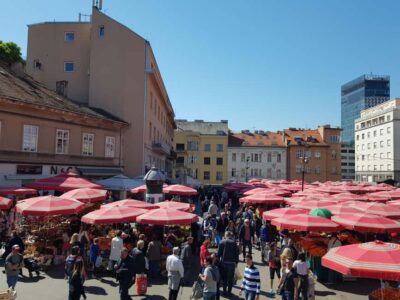
Next comes Dolac Market, often called the belly of the city. It’s described as Zagreb’s largest farmers market. Again, it’s about 10 minutes, free to enter, and it’s a great reality check after the cathedral’s big-time religious history.
If you like to travel like a local, this stop helps you understand what daily Zagreb life looks like. Even if you don’t buy anything, the atmosphere is the point.
Stop 3: Tkalciceva Street — From old conflict to nightlife hub
Then you roll onto Tkalčićeva Street, a central downtown corridor. Historically, the tour explains that from the late 1800s into the 1930s, it was Zagreb’s version of the Amsterdam red-light district. Today it’s known as the main tourist and nightlife street.
This stop is useful because it shows how street identities change. What was once tied to adult nightlife is now tied to crowds, strolling, and the city’s social rhythm.
Stop 4: Krvavi Most (Bloody Bridge) — Gradec vs. Kaptol
You’ll cross or pause at Krvavi Most, also called Bloody Bridge. The key idea here is the border feel—between Gradec and Kaptol across the Medveščak stream—and the tour connects the name to frequent clashes between residents of those districts.
It’s about 10 minutes, free. For me, this is one of those stops where a short historical cue makes a place feel more “real,” not just scenic.
Stop 5: Petrini Pyli (Stone Gate) — A patron-saint landmark
Next is Stone Gate (listed here as Petrini Pyli), which is tied to a shrine of Our Lady of the Stone Gate, also described as the patron saint of Zagreb for many centuries. It’s another 10-minute stop and free.
If you’re the type who likes symbolism, this one lands. It’s a reminder that the city’s pride and traditions live in specific stones and specific spots—not just big museum exhibits.
Stop 6: St. Mark’s Church — A city symbol with medieval roots
Then comes St. Mark’s Church, described as one of Zagreb’s oldest buildings and one of its symbols. The tour notes it appears in the 1334 Kaptol Statute listing of parish churches. This stop runs around 15 minutes, also free.
Even without going deep into architecture, the timing works: you’ve already handled the “where history begins” idea, and now you see how older institutions still shape the city today.
Stop 7: Funicular Railway — Upper Town access, 1892 style
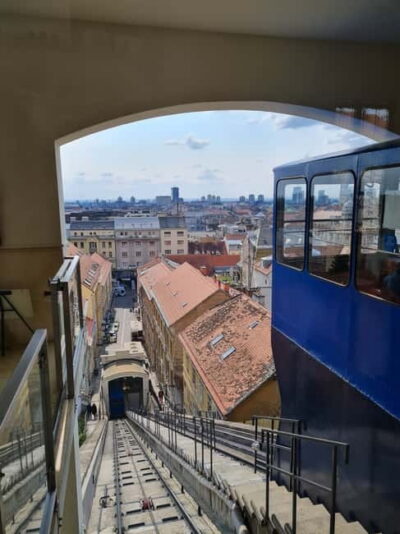
From there, you get to the Funicular Railway, which the tour describes as the oldest means of public transport for passengers in Zagreb, created in 1892. The funicular stop is listed as 15 minutes, but the ticket is not included.
This matters because it gives you an easy mental model for Zagreb’s layout. You don’t have to “solve” the hills yourself. You can see how locals move between levels—and you’ll know what to do later if you want to ride it again on your own.
Stop 8: Croatian National Theatre — The Illyrians’ dream in brick
The route continues to Teatre Nacional Croata (Croatian National Theater). The tour describes its founding in 1860 and links it to the Illyrians’ long push for a theater in the Croatian language, including the role of Dimitri Demeter.
This is a 20-minute stop and free. If you care about culture beyond cathedrals, this adds a “Zagreb became itself on purpose” layer.
Stop 9: King Tomislav Square — Early Croatian power
Next: King Tomislav Square, tied to the first Croatian king (925–928). Before that, the tour notes he ruled a principality of Croatia.
It’s a short 10-minute stop and free. It’s brief, but it helps you connect place-names to people—something that makes a city feel less like a photo album.
Stop 10: Zrinjevac — One big plan for the lower city
Finally, you end at Zrinjevac. The tour explains an urban plan adopted in 1876 designed the Lower Town framework and aimed to merge squares into a single structure.
It’s about 20 minutes, free. This closing stop is great because it shifts you from “old stories” to “how the city was organized,” which is exactly what you want when you’re about to continue exploring on your own.
The Included Coffee, Cold Drink, or Ice Cream Break (And Why It’s Not Just Extra)
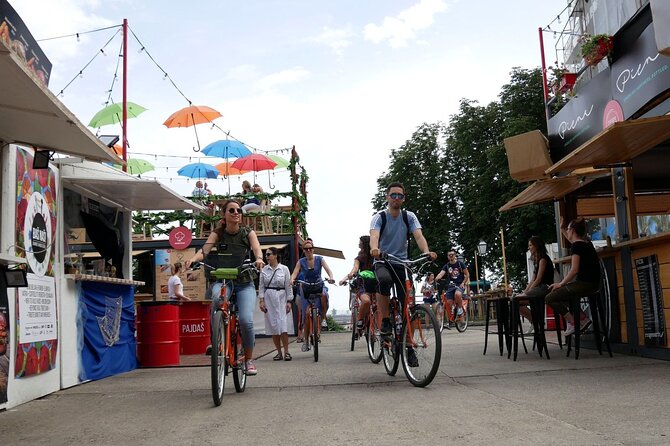
One of the nicest touches is the included break—either coffee, a refreshing drink, or ice-cream. That sounds like a small perk, but it changes the whole feel of the tour.
First, it keeps energy steady. You’re doing a moving city tour with short stops, and even when the cycling is not strenuous, you still spend time in sun, wind, and busy streets. A break helps you reset before the later sights.
Second, it gives you an easy moment to ask the guide real questions. Since the route is dense, your best food and neighborhood suggestions often come when you’re not pedaling and shouting.
Third, it tends to make the group feel less like strangers. People tend to relax, compare notes, and ask where to go after the tour.
Bikes, Helmets, and Street Safety: Your Quick Pre-Ride Checklist
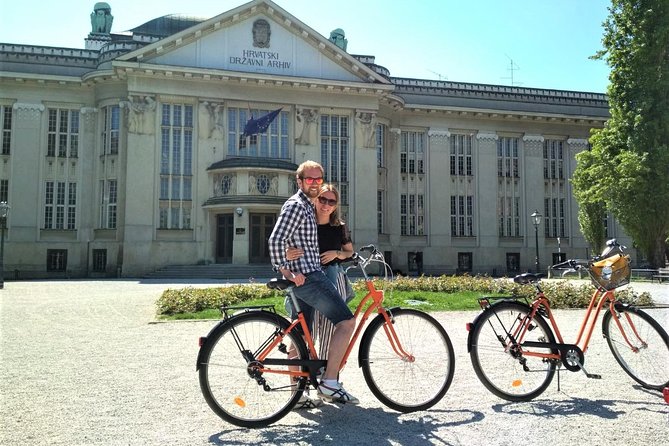
This is where I stay practical. The tour includes helmets, which is a huge plus compared with tours that expect you to bring your own. The included bikes also remove a lot of friction.
But based on the range of feedback you might see for this kind of tour, I’d treat your first minute with the bike as your job: do a fast safety check. Before you leave the meeting point, take 20 seconds to confirm:
- both brakes feel solid and responsive
- the bike fits you (seat height so your legs aren’t stretched or cramped)
- the helmet fits snugly, not sliding around
Also remember: the route goes through areas where people are crossing, trams are common, and cobblestones can be a little spicy. If you’re not a confident cyclist yet, tell the guide early. The goal is to make the ride comfortable and stay with the group rather than trying to speed ahead.
Who This Bike Tour Fits Best (And Who Should Rethink It)
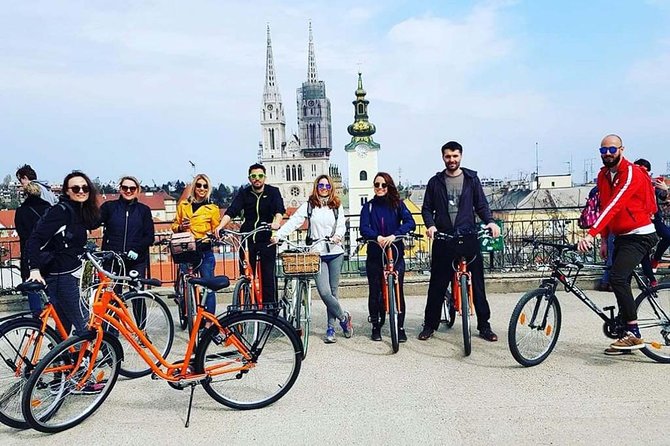
This tour is a strong match for:
- first-time visitors who want a city orientation fast
- people who like learning through guided walking-style stops but prefer the speed of biking
- anyone who wants a balanced mix of culture, market life, and historic district stories
- families with kids who can ride with confidence, since the route has a relaxed pace described in feedback
You might want to rethink it if:
- you’re very sensitive about bike quality and helmet comfort
- you don’t feel steady cycling in pedestrian-heavy, cobblestone conditions
- you want long museum time at any single stop (this is built for efficient viewing, not deep interiors)
The upside is that the route timing is short enough to still let you keep exploring afterward. You’ll likely come away with a clearer list of what’s worth a second visit.
What to Do After: Turn the Tour Into a Full Zagreb Day
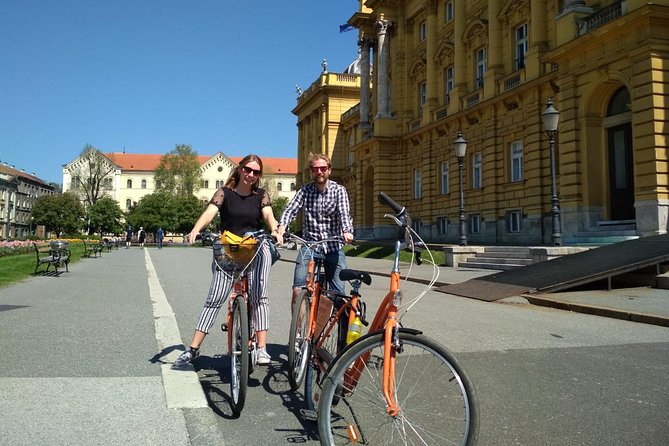
By the time you finish back at Jurišićeva ul. 19, you’ll have a much better sense of where things are—especially around Kaptol vs. Gradec, the downtown core around Dolac, and the symbolic landmarks like St. Mark’s and Stone Gate.
If you’re the type who likes to see more slowly, use the tour as your map. Plan your follow-up around the places you enjoyed most. If you’re curious about interiors, you can return on your own schedule with less guesswork.
Also, the guide’s food suggestions are often strongest when you’ve just made sense of the geography. So after the ride, I’d lean on those recommendations while you still have the route fresh in your head.
Should You Book the Classic Zagreb Bike Tour?
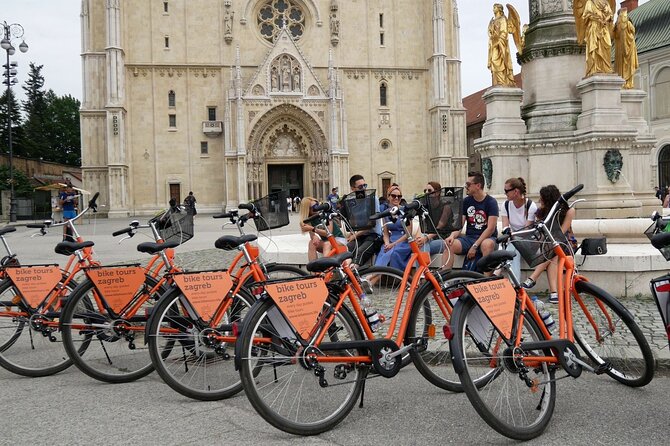
If you want an easy, story-driven way to get your bearings in Zagreb, I think this is a smart booking. The $54.44 price feels reasonable when you factor in bike + helmet + guide + refreshments + a photo, and the three-hour duration is perfect for a first morning.
Book it if you like:
- short, meaningful stops
- a route that mixes markets, street life, and major landmarks
- a small group format that makes it easier to ask questions
Skip it or book cautiously if:
- cobblestones and busy pedestrian streets make you nervous
- you’re very picky about bike maintenance and helmet condition
Either way, do that quick brake and helmet fit check at the start, then let the guide do the heavy lifting. Zagreb is much easier when you’re moving with a plan.
FAQ
Where does the Classic Zagreb Bike Tour start?
The tour starts at Jurišićeva ul. 19, 10000 Zagreb, Croatia, and it ends back at the same meeting point.
How long is the tour?
It runs for about 3 hours.
What’s included in the price?
You get a bicycle, a helmet, a local guide, coffee or a refreshing drink or ice-cream during the break, and a photo from the tour.
What is not included?
Alcoholic drinks are not included, and the funicular railway ticket is not included.
What group size should I expect?
The tour has a maximum of 12 travelers, which helps keep things more personal.
What language is the tour in?
The tour is offered in English.
Can most people participate, and are service animals allowed?
The info says most travelers can participate and service animals are allowed.
If you want, tell me your travel month and cycling comfort level, and I’ll help you decide if this is your best “first Zagreb day” activity.
More Tours in Zagreb
More Tour Reviews in Zagreb
More Zagreb Bike Tours
Not quite it? More Zagreb tours and day trips
- Jump into Zagreb: Walking Tour with local guide
★ 4.8 · 3 reviews - Zagreb : Highlights Walking Tour With A Guide
★ 4.7 · 3 reviews - Zagreb Food Tour: Bite into Traditional Dishes and Flavors
★ 5.0 · 3 reviews - Zagreb to Split private transfer with National park Plitvice lakes guided tour
★ 5.0 · 3 reviews - Plitvice Lakes and Rastoke Private Day Tour from Zagreb
★ 5.0 · 3 reviews - Plitvice Lakes Private Guided Tour from Zagreb with Transfer to Split
★ 5.0 · 3 reviews - Private transfer from Zagreb to Zadar with Plitvice Lakes private tour
★ 5.0 · 3 reviews - Plitvice Lakes Hidden Gems from Zagreb
★ 5.0 · 3 reviews
Zagreb Bike & Cycling Tours, compared.
 ★ 5.0Zagreb Highlights Bike TourFrom $49208 reviews
 ★ 4.63–Hour Classic Bike TourFrom $57139 reviews
 ★ 5.0All of Zagreb Bike TourFrom $7397 reviews
 ★ 4.82.5-Hour Highlights Bike TourFrom $5793 reviews
 ★ 5.0Back to Socialism Bike TourFrom $4949 reviews
 ★ 4.62.5-Hour Cycle Back to Socialism TourFrom $5725 reviews
 ★ 4.9Best of Zagreb: 4-Hour Cycling TourFrom $9413 reviews
 ★ 5.0Biking – Bike tour KarlovacFrom $597 reviews
Browse the lists this tour appears in