
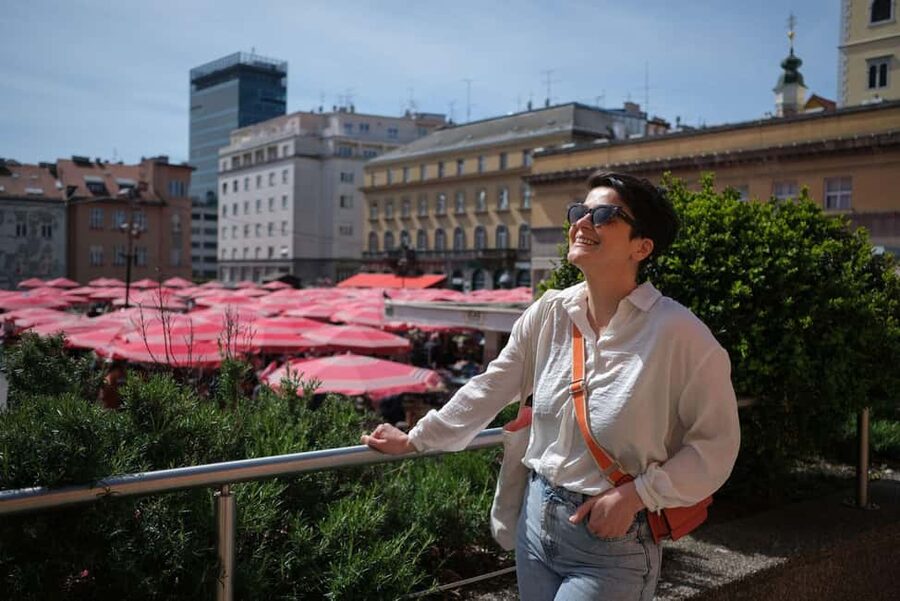
Reviewed · ZAGREB FOOD TOURS & DOLAC MARKET
Zagreb Food Tour: Bite into Traditional Dishes and Flavors
Zagreb tastes like a story you can eat. I especially loved the Dolac Market stop and the way wine keeps showing up alongside each bite. One thing to consider: this is a walking, standing-in-line type of tour, so wear comfortable shoes and expect you’ll be on your feet for the full 3 hours.
What makes this tour feel worth your time is the small group setup (max 8) and the guide-led pacing from Ban Josip Jelačić Square. You start with the city’s best-known food hub, then move through classic places locals actually use for meals, drinks, and dessert—without turning into a generic checklist stop.
In This Review
- Key highlights
- Zagreb Food Tour: why the food feels more local than planned
- From Ban Josip Jelačić Square to Dolac Market in 45 minutes
- Wine bar stop: local sparkling wine and the continental cocktail
- Classic Zagreb taverns: seafood stops and the 1-hour tasting
- Dessert and coffee finale at a local café
- What the guide actually adds (beyond just feeding you)
- Small group size in Zagreb: why max 8 makes a difference
- Price and value: is $141 for 3 hours fair?
- Who this Zagreb Food Tour fits best (and who should skip)
- Should you book the Zagreb Food Tour?
- FAQ
- Where do I meet for the Zagreb Food Tour?
- How long is the tour, and how many people are in a group?
- What tastings are included?
- Is there burek on this tour?
- Do you have to pay for anything extra?
- What languages are the guides, and what should I bring?
Key highlights
- Dolac Market first: you get oriented fast and taste what’s local while your sense of place is still fresh
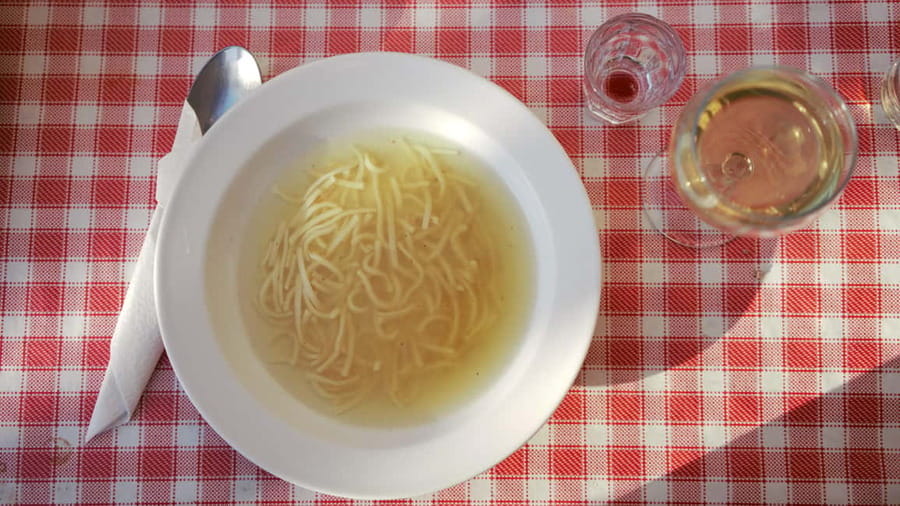
- Wine-forward tastings: local sparkling wine plus a continental cocktail show how drinks fit into everyday eating
- Classic Zagreb taverns: you’ll spend a full hour on main tastings, not just a couple of symbolic nibbles
- Seafood bars along the way: the itinerary includes seafood-focused stops, not only meat-heavy plates
- No burek: you’re guided toward Zagreb’s own signature flavors, not a cookie-cutter Balkan repeat
Zagreb Food Tour: why the food feels more local than planned
A good food tour should do two jobs at once: feed you and teach you how locals think. This one uses Zagreb dishes and drinks as the lens, so you’re not just tasting—you’re learning what shows up on plates and in glasses, and why.
I like that it avoids the usual “hit the obvious photo spot, then eat somewhere average” rhythm. Instead, you get a broader context for Zagreb’s food culture, including how outside influences shaped what people eat today.
And because it’s only 3 hours, it’s a realistic way to experience a lot of flavors without turning your whole day into a food marathon.
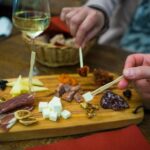
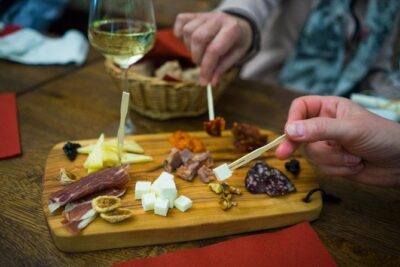
More tastings around Dolac market and the Zagreb table, strukli included.


From Ban Josip Jelačić Square to Dolac Market in 45 minutes
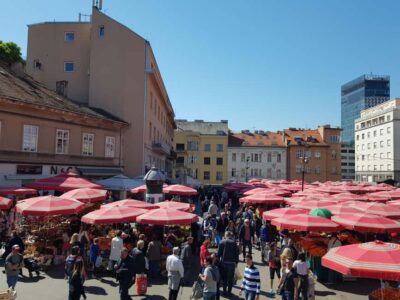
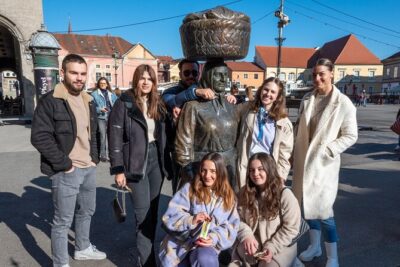
You meet at Ban Josip Jelačić Square, behind the statue and in front of the Harmica passage. That’s a smart starting point because it gets you into the center of Zagreb before the tour splits into the food-world routes.
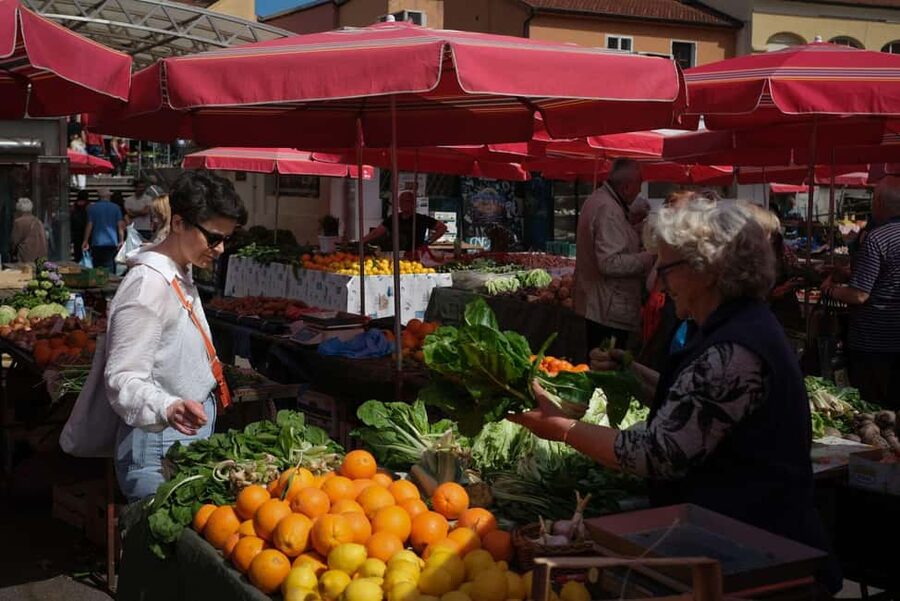
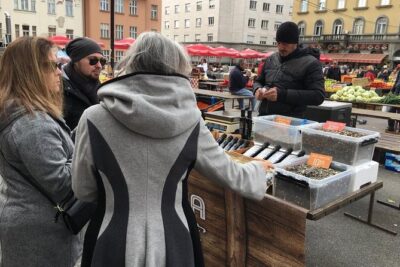
Then you go straight to Dolac Market for about 45 minutes. This is where your brain starts connecting what you see with what you’ll taste later: markets are where ingredients look seasonal and decisions are practical, not performative.
What to pay attention to at Dolac:
- The vibe of everyday shopping—this is less about Instagram and more about getting quality
- How different stalls emphasize different ingredients (you’ll taste patterns later at the taverns)
- Anything the guide points out as a signature local choice
The only drawback? 45 minutes goes quickly in a market. If you like to linger and compare everything, you’ll have to let the guide’s pace lead.
Wine bar stop: local sparkling wine and the continental cocktail

After the market, you head to a local wine bar for around 45 minutes. This is one of the tour’s best tricks: it treats drinks as part of the food culture, not an optional add-on.
You’ll have a tasting of local sparkling wine, and the tour also includes a continental cocktail during the wine-focused portion of the experience. That matters because Zagreb’s eating habits don’t separate “food time” from “drink time.” The guide’s explanations help you connect the glass to the meal style.
How to get more out of this stop:
- Sip slowly and use the guide’s timing; the tour is paced so flavors make sense in sequence
- If you don’t usually drink sparkling wine, this is still a low-risk way to try—small tasting format, guided context
One small consideration: if you dislike wine or cocktails, you may still be expected to participate in the tastings. This is a drinks-included tour, so it’s better suited to people who are at least curious.

Classic Zagreb taverns: seafood stops and the 1-hour tasting
Next comes the classic restaurant/tavern segment, lasting about 1 hour. This is where the tour shifts from “market learning” to “real sit-down eating.”
The tour is designed around local gastronomy, including stops that include seafood bars, plus tastings at a classic Zagreb tavern with drinks. Even if seafood isn’t your usual go-to, the pacing makes this easier: you’re not making random ordering choices. You’re being guided to what fits the theme of the day.
Here’s what I like about having a full hour here: it gives you time to slow down, talk, and actually taste instead of wolfing down samples. A lot of walking tours cram food into tiny windows. This one gives you a proper window, which makes the food feel like a meal, not an audition.
What to watch for at the tavern:
- Let the guide explain what the dish represents before you start eating
- Keep your water handy between tastings so dessert won’t feel like punishment
The other reason this part works is simple: you’re in local-style places, not tourist bottlenecks. The goal is to show you how Zagreb’s “normal” dining looks when locals meet friends, eat well, and talk over drinks.
Dessert and coffee finale at a local café
Every great food tour earns its ending. This one finishes with a classic Zagreb pastry and coffee at a local café, with about 45 minutes for the dessert stage.
This is the bittersweet part of the tour—partly because you’ll realize you’ve been eating good flavors for hours, and partly because dessert always makes the day feel complete. But it also makes practical sense: coffee and pastry are a familiar way locals wrap up a meal without turning dessert into a whole second dinner.
How I’d approach the finale:
- Save room. Even if the mid-tour tastings go down fast, dessert usually decides whether the day feels perfect or just heavy.
- Ask the guide what to try with coffee. Small pairings are where the tour’s “history through food” approach clicks.
If you’re the type who wants seconds, ask politely. The tour format is set, but you can sometimes clarify how much freedom you’ll have at the café stop.
What the guide actually adds (beyond just feeding you)
A big part of value on a food tour is how well the guide connects the dots. In this case, the tour uses signature dishes and drinks to explain Zagreb’s history and how it reflects outside influences over time.
One guide name that comes up in the tour’s community feedback is Ivana—praised for giving strong historical context and answering questions patiently. Even when you don’t get the same guide, look for that same approach: explanations that help you taste more intelligently, not just facts dumped over your plate.
You’ll also notice the tour avoids touristy hotspots. That’s not about being dramatic—it’s about making the food stops more authentic and the explanations more grounded in how locals actually live.
The English and Croatian options are also a plus. If you’re pairing this with other stops in Zagreb, being able to follow the guide clearly keeps the day from feeling like a blur of smells.
Small group size in Zagreb: why max 8 makes a difference
The tour runs with a small group, limited to 8 participants. That matters because you’re navigating a market, getting seated for tastings, and staying on time across several food stops.
Small groups also make questions easier. You’re not competing for attention or waiting while the guide repeats the same explanation to half a bus.
It helps with practical pacing too. When the guide knows the group’s rhythm, they can guide you to taste and learn without rushing every bite.
If you like a food tour where you can actually talk to your guide and compare notes with your group, this setup usually feels better than large group tours.
Price and value: is $141 for 3 hours fair?
At $141 per person for a 3-hour experience, the biggest question is whether the tour gives you enough tastings and drinks to justify paying for someone else’s planning.
Here’s what the price includes:
- A visit to the main market (Dolac)
- Stops that include seafood bars
- A classic Zagreb tavern with drinks
- Tasting local sparkling wine
- Classic Zagreb pastry and coffee
That package is exactly what you’re paying for: the convenience and the structure. If you tried to build this yourself, you’d spend time figuring out where to go, what to order, and how much to spend, and you’d likely miss the “what locals actually choose” angle.
Is it possible to eat well for less in Zagreb? Sure. But this tour is best for people who want a guided food day with a clear narrative, multiple stops, and drinking that matches the meals—without having to do the research first.
Who this Zagreb Food Tour fits best (and who should skip)
This tour is a great fit if you want:
- A local market start with guided tastings
- Wine and cocktail pairings as part of the day
- Classic tavern dining, not a string of random quick meals
- A food-and-history approach that explains why flavors are the way they are
It’s not a great fit if:
- You need wheelchair access (it’s not suitable for wheelchair users)
- You have food allergies (not suitable for people with food allergies)
And if you’re picky about drinking, be honest with yourself: wine is a constant partner during the tour, including local sparkling wine and a continental cocktail.
Should you book the Zagreb Food Tour?
Yes, I’d book it if your goal is simple: eat Zagreb-style food with a guide, learn what shaped those flavors, and end with pastry and coffee—without turning your day into a guessing game.
Skip it if you’re dealing with food allergies or you need wheelchair-friendly routing. Also skip if you hate walking for a few hours; this one keeps you moving from the market to wine bar to tavern to café.
If you’re visiting Zagreb for the first time and you want a reliable, local-feeling introduction to what people actually eat and drink, this tour is one of the most practical ways to do it in just 3 hours—especially because it avoids the copycat “same-everywhere” food trap. There’s no burek on this tour, which makes it feel more like Zagreb and less like a template.
FAQ
Where do I meet for the Zagreb Food Tour?
Meet at Ban Josip Jelačić Square, behind the statue, in front of the Harmica passage.
How long is the tour, and how many people are in a group?
The tour lasts 3 hours, and it’s a small group limited to 8 participants.
What tastings are included?
You’ll visit the main market, stop for tastings at classic places (including seafood bars), have drinks at a classic Zagreb tavern, taste local sparkling wine, and finish with a classic Zagreb pastry and coffee.
Is there burek on this tour?
No. The tour explicitly avoids burek and focuses on other traditional dishes and flavors.
Do you have to pay for anything extra?
Personal expenses are not included.
What languages are the guides, and what should I bring?
The live guide speaks English and Croatian. Bring comfortable shoes since you’ll be walking, and be ready for different weather conditions.
More Tours in Zagreb



More Tour Reviews in Zagreb

More Food Tours & Dolac Market
Not quite it? More Zagreb tours and day trips
- Jump into Zagreb: Walking Tour with local guide
★ 4.8 · 3 reviews - Zagreb : Highlights Walking Tour With A Guide
★ 4.7 · 3 reviews - Zagreb Food Tour: Bite into Traditional Dishes and Flavors
★ 5.0 · 3 reviews - Zagreb to Split private transfer with National park Plitvice lakes guided tour
★ 5.0 · 3 reviews - Plitvice Lakes and Rastoke Private Day Tour from Zagreb
★ 5.0 · 3 reviews - Plitvice Lakes Private Guided Tour from Zagreb with Transfer to Split
★ 5.0 · 3 reviews - Private transfer from Zagreb to Zadar with Plitvice Lakes private tour
★ 5.0 · 3 reviews - Plitvice Lakes Hidden Gems from Zagreb
★ 5.0 · 3 reviews
Zagreb Food Tours & Dolac Market, compared.
 ★ 5.0Taste Zagreb Food TourFrom $106256 reviews
 ★ 5.0Restaurants, Food & Old Town Walking TourFrom $107191 reviews
★ 4.7Restaurants, Food & Old Town Walking TourFrom $104170 reviews
★ 5.0Restaurants, Food & Old Town Walking TourFrom $107191 reviews
★ 4.7Restaurants, Food & Old Town Walking TourFrom $104170 reviews
 ★ 4.9Food Tour with TastingsFrom $104153 reviews
 ★ 5.0Zagreb Walking Food Tour – Sightseeing – Dolac Market VisitFrom $16138 reviews
 ★ 5.0Authentic Croatian Food & Heritage Walk in a Small GroupFrom $12936 reviews
 ★ 5.0Sites & Bites Private Food and History Tour of ZagrebFrom $20335 reviews
 ★ 4.8Fairytale Castle & Wine Tasting & LunchFrom $32928 reviews
Browse the lists this tour appears in