

Reviewed · ZAGREB WWII TUNNELS TOURS
Best of Zagreb with the WW2 Tunnels
Zagreb hits hardest when someone explains it. This 2.5-hour private-style walking tour pairs big landmarks with real local habits, from the main square to Dolac Market and the WW2-era Gric Tunnels. I especially like how the local guide storytelling makes the history stick, and I love that you get a clear Zagreb orientation fast.
One thing to plan for: there’s quite a bit of walking, including some hills and stairs, so comfortable shoes matter.
In This Review
- Key highlights worth showing up for
- Zagreb in 2.5 Hours: The Value of a Real Local Guide
- Ban Jelačić Square: Where Zagreb Introduces Itself
- Zagreb Cathedral: The View, the Scale, and the Why
- Dolac Market: The Belly of the City (and the Food Logic)
- Krvavi Most (Bloody Bridge): History With Teeth
- Petrini Pyli / Stone Gate Area: Entering Old Town the Easy Way
- St. Mark’s Square: Rooftops, Power, and Photo Worthy Details
- Tunel Gric (WW2 Tunnels): A Serious Segment Done Right
- How Much Walking You’ll Actually Do (And Why Shoes Matter)
- Cost and Value: Why About $24 Can Be a Smart Buy
- Who This Tour Is Best For
- Should You Book This Zagreb Tour or Skip It?
- FAQ
- FAQ
- What is the tour duration?
- Where does the tour start and end?
- How much does the tour cost?
- Is it private or group-based?
- What stops are included?
- Is there food included?
- What should I wear for this tour?
- How often does it run?
- Is there any ticket admission cost?
- What are the cancellation rules?
- Is the tour suitable if I use a service animal?
Key highlights worth showing up for
- Dolac Market stop that turns a quick look into real food-and-life context
- WW2 Gric Tunnels for a serious, well-told history segment without getting lost
- Iconic Old Town landmarks like the Cathedral, Bloody Bridge, and Stone Gate area
- A guide who sets the pace and keeps the group engaged (you may hear styles like Diana, Darko, Ena, Ivana, or Kristina)
- Good “first Zagreb” structure if you’re short on time but want the essentials
Zagreb in 2.5 Hours: The Value of a Real Local Guide
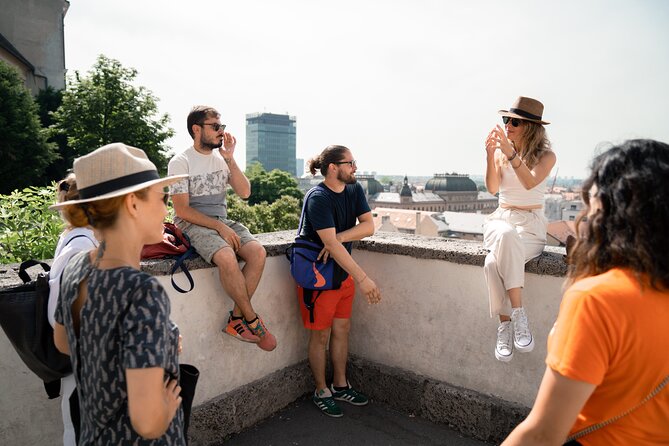
If you only have a morning in Zagreb, you want two things: strong context and efficient route planning. This tour is built for that. You start in the city’s main hub, then move step-by-step toward the Old Town, with just enough stops to make each one feel connected.
I like that it’s not just photo stops. The guide weaves the city’s daily rhythm into the monuments—square life, market culture, and the meaning behind places like the Bloody Bridge. If you’re trying to understand how Zagreb thinks, that approach helps a lot.
Another plus: the tone tends to be lively. Several guides who lead this route are known for mixing history with humor and smart pacing, so the facts don’t feel like a lecture.
More walks through the Upper Town, St Mark's roof and the Dolac stalls below.


Ban Jelačić Square: Where Zagreb Introduces Itself
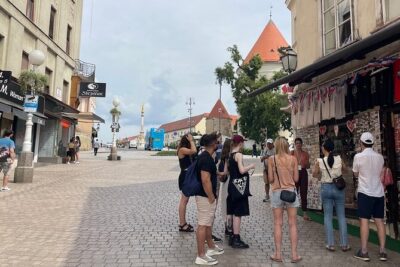
You begin at Ban Jelačić Square, the main meeting point and the place that instantly tells you you’re in Croatia’s central pulse. This is where you get an orientation kickstart—who the city is named after, why the square matters, and what to watch for as you move through town.
This first stop matters because it sets the map in your head. Once you understand the square’s role, the rest of the walking feels logical instead of scattered. It also helps kids and teenagers because you can quickly connect the stories to a place they can see right away.
A small practical note: since the start is in the busiest part of the center, arriving a few minutes early helps you settle before the group moves.
Zagreb Cathedral: The View, the Scale, and the Why
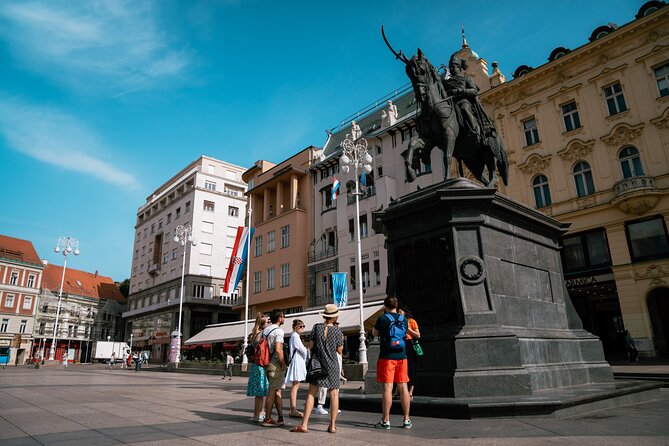
Next comes the Cathedral of Zagreb, one of the city’s most prominent landmarks. You’ll spend time here taking in how high and imposing it is, and you’ll hear what makes it special beyond looks.
What I find useful about this stop is that it’s framed in plain terms: why this cathedral style matters in Croatia, how it fits the city’s identity, and what role church architecture plays in European city life. Even if you don’t go inside, you still get the sense of scale and purpose.
Because this tour keeps moving, it avoids that common problem where you spend 45 minutes at one place and then feel rushed everywhere else. You get a solid Cathedral moment and then carry that context forward.
More routes down into the Gric wartime tunnels under the old town.
Dolac Market: The Belly of the City (and the Food Logic)
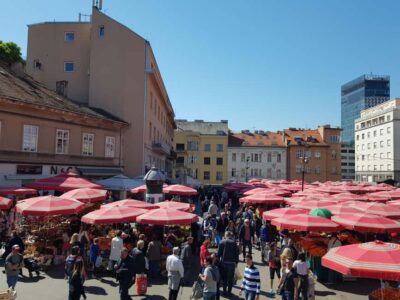
Dolac Market is where Zagreb gets personal. This is the green market area locals call the Belly of the City, and the vibe is different from the monument-heavy stops. You’ll walk through the market and get a short, meaningful introduction to how the market works and why it matters to everyday life.
The big win here is the food angle. You’ll sample local specialties, not just browse. That turns Dolac into something you can remember with your taste buds, not only your camera roll.
If you’re wondering where to eat in Zagreb later, this stop helps. You’ll learn what people tend to choose and how market culture shapes what you’ll see on menus and stalls around the city. It also gives you an easy way to ask your guide for follow-up suggestions once the tour ends.
Krvavi Most (Bloody Bridge): History With Teeth
Krvavi Most, or Bloody Bridge, is one of those names you can’t ignore. You’ll learn why the bridge became known for battles and disputes, and you’ll connect that story to the city’s changing political landscape over time.
This stop is more than a dramatic name. It’s a lesson in how cities build memory into infrastructure. A bridge is an everyday crossing, but here it becomes a symbol of conflict, survival, and shifting power.
I like that the guide treats it with respect and clarity. It’s history you can actually stand on, with the city layout around you, instead of reading it from a screen.
Petrini Pyli / Stone Gate Area: Entering Old Town the Easy Way
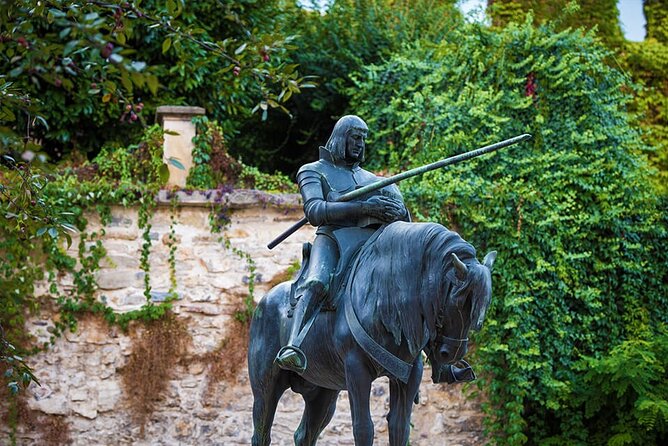
As you work toward the Old Town, you’ll pass by Petrini Pyli, the historical entrance area to the Old Town with the patron saint chapel nearby. You’ll also hear about the nearby historic pharmacy—one of the oldest in the world—which adds an interesting layer beyond the usual palace-and-cathedral focus.
This is a great transition stop. It helps you feel the boundary between “modern city center” and “older Zagreb,” without needing a huge effort to navigate on your own. The guide also uses these entry points to explain why Old Town areas are laid out the way they are.
If you enjoy small details that make a place feel lived-in, this is one of your best moments. You get a sense of continuity: sacred spaces, practical life, and long-standing institutions all sharing the same neighborhood.
St. Mark’s Square: Rooftops, Power, and Photo Worthy Details
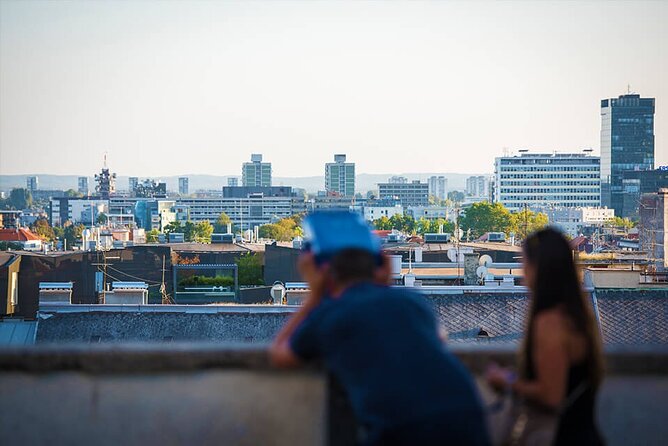
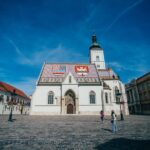
St. Mark’s Square delivers what most people want from Zagreb: architecture you can’t help but look at. You’ll see St. Mark’s Church with its colorful rooftop, and you’ll also take in the Parliament and Government buildings nearby.
Here’s why this stop works well for a short tour. The church rooftop is visually striking, but the square context matters too. It’s not only about beauty; it’s about how religious and civic power sit in the same public space.
I also like that the guide gives you enough context to understand what you’re seeing while you’re still there. That helps you avoid the common problem of finishing a photo session and realizing you don’t know what the key elements mean.
Tunel Gric (WW2 Tunnels): A Serious Segment Done Right
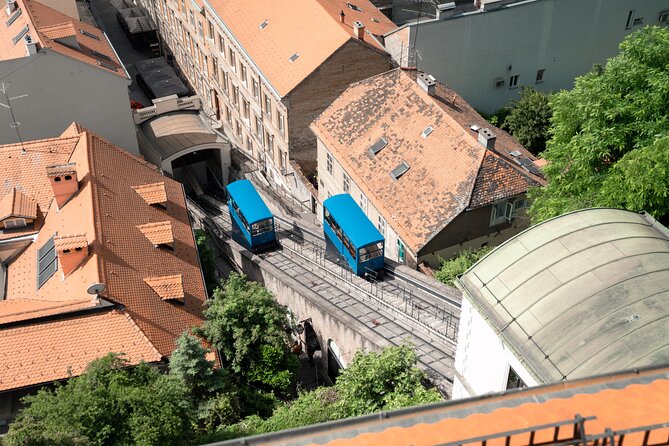
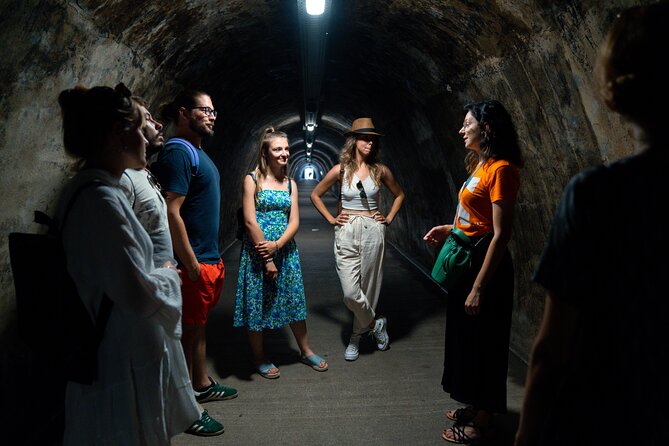
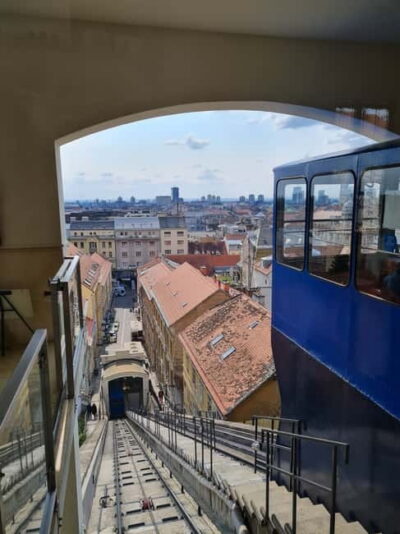
Then comes the WW2 part: Tunel Gric, built by fascist forces during World War II. This is the emotional center of the tour, and it’s handled differently than the lighter sightseeing stops.
What makes this worthwhile is balance. You don’t just get a label like WW2 tunnel. You get an explanation of how these structures fit into Zagreb’s story and why they still matter today. It’s the kind of history stop that forces you to slow down a little, look around, and absorb what the space represents.
Practical tip: tunnels are cooler and can feel darker than the open squares. Wear layers you can adjust to, and keep your phone light use in mind if lighting is limited.
How Much Walking You’ll Actually Do (And Why Shoes Matter)
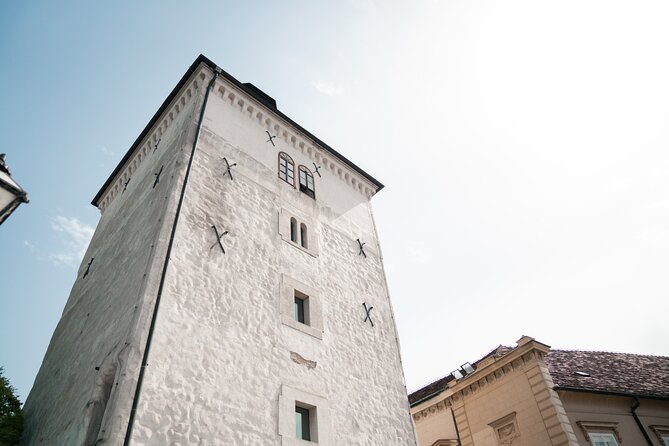
This is a walking tour, and you should expect some climbs and stairs. That’s not a deal breaker, but it’s real. Plan your day so you’re not already exhausted, and bring shoes with good grip.
The tour length is listed at about 2 hours 30 minutes, but it may finish closer to 2 hours depending on pace and conditions. That’s actually good news if you hate being stuck in a half-day plan with no flexibility. Still, plan for a window of about 2–3 hours so you don’t feel rushed afterward.
If you’re traveling with kids or teenagers, the structure helps. You can keep them engaged by moving to recognizable landmarks, then switching to the market and tunnels where the stories feel more concrete.
Cost and Value: Why About $24 Can Be a Smart Buy
At $23.98 per person, the big question is what you’re getting for the price. For me, the value comes from three things working together:
- A guided route that stacks landmarks logically instead of leaving you to guess
- Time with a guide who adds context, stories, and local-life detail
- Two “high impact” moments: Dolac Market with food sampling and the WW2 Gric Tunnels
Also, the tour is capped at a maximum of 15 travelers, which tends to help with pacing and attention. And it’s described as private, meaning you’re not stuck with a mega-group where you only hear bits and pieces.
If you’re the kind of traveler who would otherwise spend your morning bouncing between stops with no plan, paying for guidance often saves time and disappointment. You’ll walk away with a clearer sense of where things are and why they matter.
Who This Tour Is Best For
This is a strong fit if you:
- are visiting Zagreb for the first time and want key sights plus context
- want to understand both the charming Old Town and the heavier WW2 history in one go
- prefer a route that’s paced for people who don’t want to spend hours studying maps
It can also be a good choice for families and mixed ages because the stops vary in tone: square life, market food, architecture, and then the tunnels. That mix helps keep attention without turning the day into a trivia marathon.
If you’re already an extreme history nerd with deep prior knowledge, you might wish for more time at each site. But for most first-timers, this hits the sweet spot.
Should You Book This Zagreb Tour or Skip It?
Book it if you want a fast, well-structured introduction to Zagreb that includes both everyday culture and the city’s darker WWII chapter. The combination of Dolac Market food sampling and Tunel Gric makes it more memorable than the typical “see the highlights” walk.
Skip it only if you dislike walking with hills and stairs or you’re trying to build a super slow, low-movement day. If that sounds like you, you’ll probably enjoy a less active option instead.
FAQ
FAQ
What is the tour duration?
It runs for about 2 hours 30 minutes (approx.).
Where does the tour start and end?
It starts at Ban Jelačić Square (Trg bana Josipa Jelačića, 10000, Zagreb) and ends back at the meeting point.
How much does the tour cost?
The price is $23.98 per person.
Is it private or group-based?
It’s described as a private walking tour with a local guide, and it also lists a maximum of 15 travelers.
What stops are included?
You’ll see Ban Josip Jelacic Monument, the Cathedral of Zagreb, Dolac Market, Krvavi Most (Bloody Bridge), Petrini Pyli, St. Mark’s Square, and Tunel Gric (WW2 tunnels).
Is there food included?
Yes. The tour includes sampling delicious local specialties at Dolac Market.
What should I wear for this tour?
Expect hills and stairs and bring comfortable walking shoes.
How often does it run?
It operates every day, starting at 10:30 am.
Is there any ticket admission cost?
Admission is listed as free for the stops included in the itinerary.
What are the cancellation rules?
You can cancel for a full refund up to 24 hours in advance. After that window, refunds aren’t available.
Is the tour suitable if I use a service animal?
Yes, service animals are allowed. Also, it notes that it’s near public transportation and most travelers can participate.
More Tour Reviews in Zagreb



More WWII Tunnel Tours


More Upper & Old Town Walks
Not quite it? More Zagreb tours and day trips
- Jump into Zagreb: Walking Tour with local guide
★ 4.8 · 3 reviews - Zagreb : Highlights Walking Tour With A Guide
★ 4.7 · 3 reviews - Zagreb Food Tour: Bite into Traditional Dishes and Flavors
★ 5.0 · 3 reviews - Zagreb to Split private transfer with National park Plitvice lakes guided tour
★ 5.0 · 3 reviews - Plitvice Lakes and Rastoke Private Day Tour from Zagreb
★ 5.0 · 3 reviews - Plitvice Lakes Private Guided Tour from Zagreb with Transfer to Split
★ 5.0 · 3 reviews - Private transfer from Zagreb to Zadar with Plitvice Lakes private tour
★ 5.0 · 3 reviews - Plitvice Lakes Hidden Gems from Zagreb
★ 5.0 · 3 reviews
Zagreb WWII Tunnels Tours, compared.
 ★ 4.9Small Group Walking Tour City Center and WW2 TunnelsFrom $23895 reviews
 ★ 4.9City and WWII Tunnels Walking TourFrom $23845 reviews
 ★ 5.0Zagreb Small Group Guided Walking Tour with WW2 TunnelsFrom $24380 reviews
 ★ 4.9Guided City Tour with WWII TunnelsFrom $23155 reviews
 ★ 5.0Jump into Zagreb – Small Group walking tour with WWII TunnelFrom $3016 reviews
Browse the lists this tour appears in