
Reviewed · COMMUNIST & YUGOSLAV-ERA HISTORY TOURS
Communism & Croatian Homeland War Tour
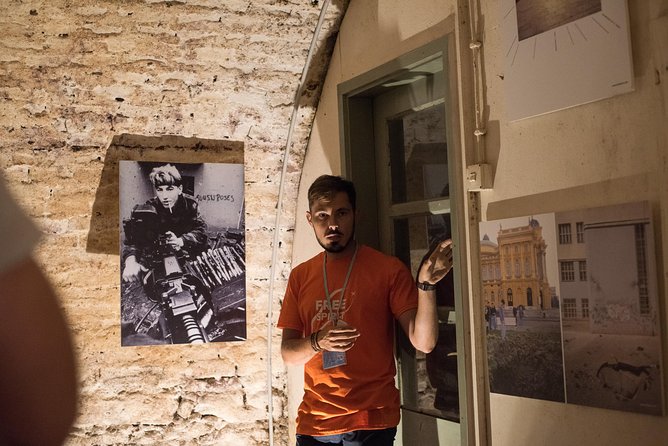
Zagreb has history under your feet. This tour turns three city stops into one clear story, from wartime shelters to Yugoslavia-era politics and the Croatian Homeland War, with a guide like Ivana, Luka, Darko, or Diana helping it all click. I especially love how the tour uses real spaces instead of only posters, and how the pacing keeps it easy to follow while still packing in a lot of context.
A possible drawback: this is not a casual “sights only” walk. You’ll hear about heavy periods in 20th-century Croatia, and you’ll want to pay attention, especially during the multimedia segment.
What makes it work for me is the mix of geography and storytelling. You start in the heart of Zagreb, then move into underground rooms used as shelters, and finally end with a presentation that ties the timeline together. The group stays small (up to 20), so questions actually land, and I like that the guide experience is backed by certified local leadership with 500+ tours.
If you dislike political history, or you want lots of pretty stops for photos, you might feel a bit restless. Still, the tour’s format is built to help you understand why these places matter.
In This Review
- Key things I’d circle before you book
- Why Communist-Era Tunnels Matter in Zagreb
- Price and Value: What Your $47.16 Actually Covers
- Before You Go: Timing, Group Size, and Mobile Tickets
- Stop 1 at Ban Josip Jelačić: Zagreb’s Main Square as a Starting Line
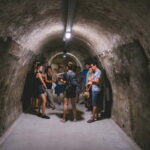
- Tunnel Gric: WWII Air-Raid Shelters and Communist-Era Life
- Kaptol Basement and the Homeland War Multimedia Exhibit
- How This Tour Covers Communism Without Losing the Thread
- What to Ask Your Guide During the Walk
- Who This Tour Fits Best (and Who Might Want Another Plan)
- Book It or Skip It: My Take
- FAQ
- Is this tour in English?
- How long is the tour?
- Where do we meet?
- Are tunnel and basement visits included every day?
- Is the tour limited to a small group?
- Can I cancel for a full refund?
Key things I’d circle before you book
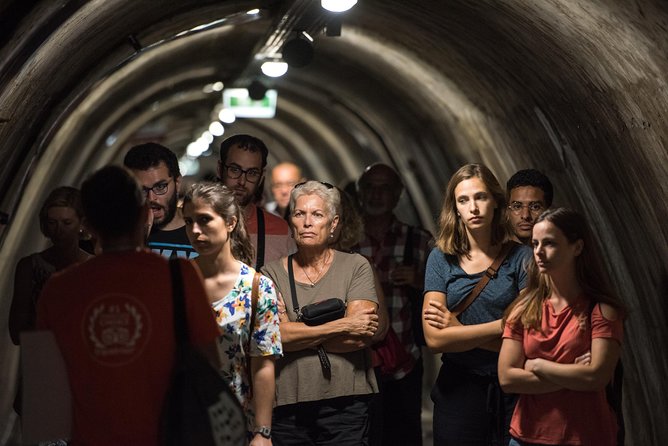
- WWII tunnels you can physically visit, not just read about
- Communist-era context connected to everyday life in Zagreb
- A multimedia Homeland War presentation that ties the timeline together
- Small-group pace with time for questions
- Multiple guides named by past participants like Ivana, Luka, Darko, and Diana
- Free entry for the tunnel experiences during this tour (where access is available)
Why Communist-Era Tunnels Matter in Zagreb
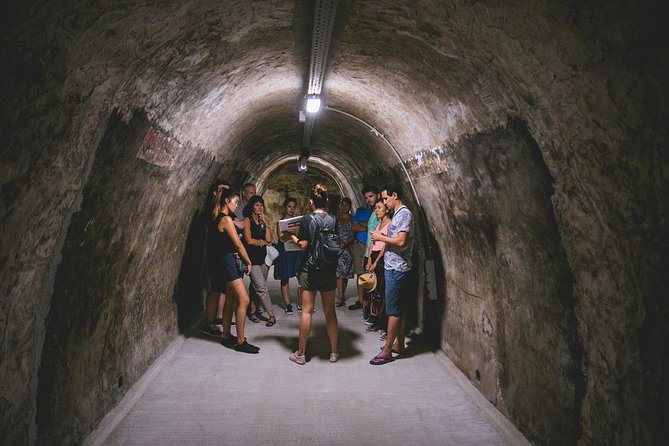
Zagreb can feel calm on the surface. But under the city, the story gets more serious. This tour focuses on that contrast: above ground, you’re on familiar streets. Below ground, you’re in spaces built to survive bombing raids.
That physical shift changes how you take in history. Instead of treating the 20th century like a list of dates, you see how conflict shaped daily life—how people hid, waited, and rebuilt afterward. The tour doesn’t pretend this is fun. It’s meant to make you understand, not just remember.
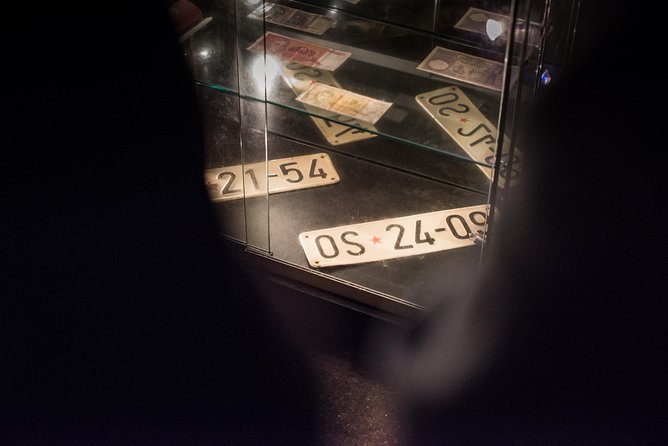
More of the Yugoslav years and the Homeland War, some of it from an old Yugo car.



Price and Value: What Your $47.16 Actually Covers
At $47.16 per person for about two hours (often running closer to 2.5), you’re paying for the guide, the structure, and the presentation. Importantly, the tour includes the multimedia presentation about the Croatian Homeland War and the tunnel access where it applies, with ticket admission listed as free for these parts.
So where is the value? You’re not just buying entry into a single site. You’re buying a guided narrative that connects:
- the wartime reality of Zagreb’s underground shelters
- the communist-era interpretation of that period
- the lead-up to, and fallout from, the Yugoslavia era
- the 1990–1995 Croatian war of national liberation, explained through multimedia
If you’re the type who reads signs and then still wonders what it all means, this format is efficient. One guided walk can pull together details that you’d otherwise scatter across multiple museums.
Before You Go: Timing, Group Size, and Mobile Tickets
Logistics are straightforward. You meet at the Ban Josip Jelačić Statue in Zagreb (Trg bana Josipa Jelačića 15). The tour runs:
- Monday to Saturday at 3pm
- Sundays at 11am
It’s offered in English, uses a mobile ticket, and keeps the group to a maximum of 20 people. That small size matters for a history-heavy tour, because you can ask follow-up questions without a guide shouting over everyone.
Also note the seasonal access detail: visits to the tunnels are not included during public events in the tunnels and during the Christmas Market. Translation: if you’re traveling during a peak holiday window, you should expect possible changes in access or what’s available underground.

Stop 1 at Ban Josip Jelačić: Zagreb’s Main Square as a Starting Line
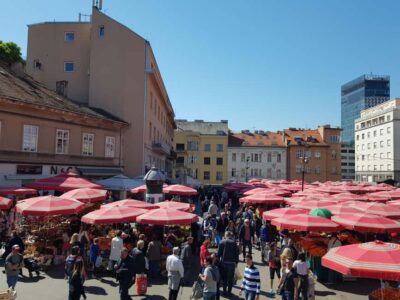
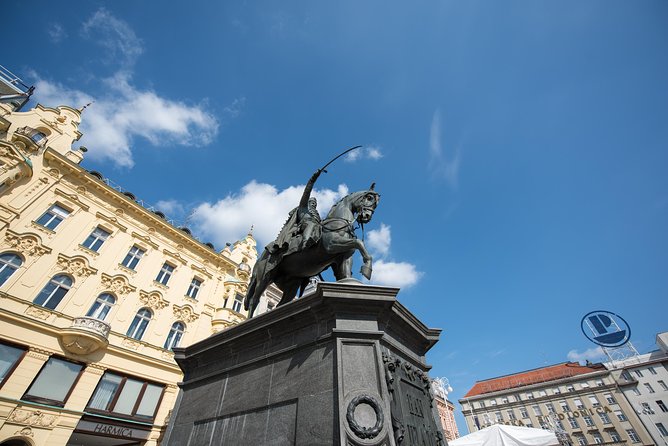
You kick things off at the Ban Josip Jelačić Statue, the classic launch point for Zagreb history on foot. This first stop is only about 30 minutes, so treat it as orientation, not a long lecture.
Why begin here? Because the guide can anchor the rest of the walk to the way Zagreb evolved. This city center acts like a timeline marker. When the guide later pulls you into basements and tunnels, it helps to already have the city layout in your head.
Practical tip: show up a few minutes early. Meeting points are easy, but you’ll want time to get oriented, especially if your group arrives in chunks. Also, this is a walk with indoor segments, so wear shoes you trust.
Tunnel Gric: WWII Air-Raid Shelters and Communist-Era Life
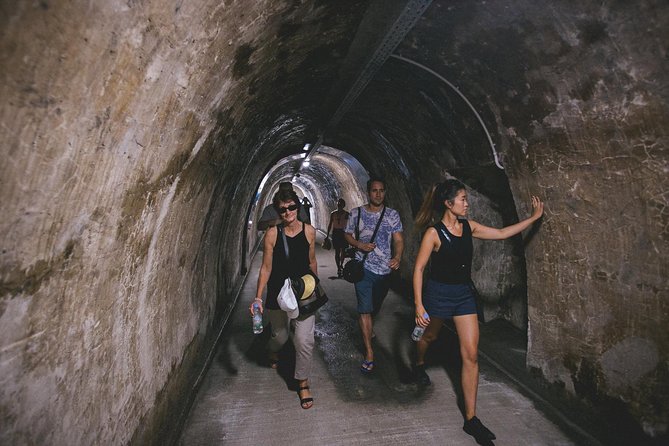
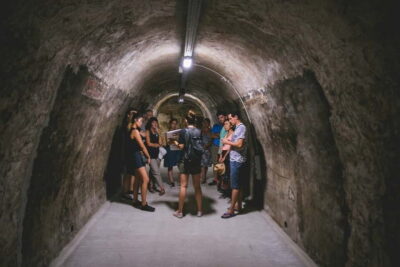
Next up is Tunel Gric, a 1-hour visit focused on WWII-era underground tunnels. These aren’t just decorative corridors. The tour explains how the underground spaces served as shelters during air raids on Zagreb.
That’s the core of what makes this stop hit. A shelter tells a story you can’t fully get from surface-level history. You learn how people lived with the reality of raids and how infrastructure reflected that fear.
Then the guide adds another layer: what life was like in Zagreb during the communist era. The effect is that you don’t treat WWII and the later socialist period as separate worlds. You see continuity—how the memory of conflict and the politics that followed shaped the city and its mindset.
One heads-up: the tunnels portion is free, but it may not run during certain public events or the Christmas Market. If underground access is a big reason you booked, it’s worth checking your date.
Kaptol Basement and the Homeland War Multimedia Exhibit
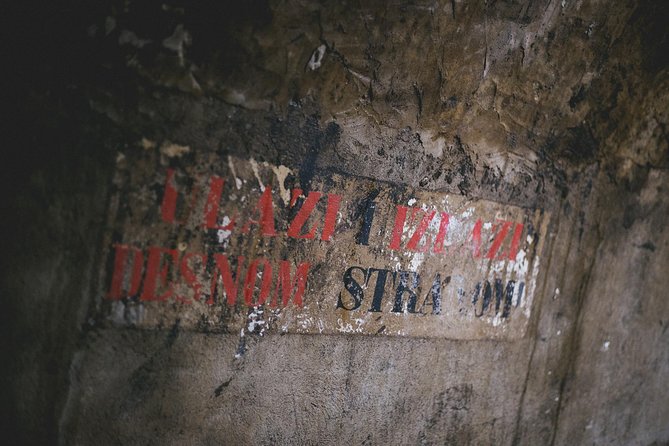
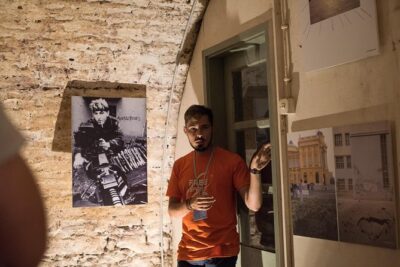
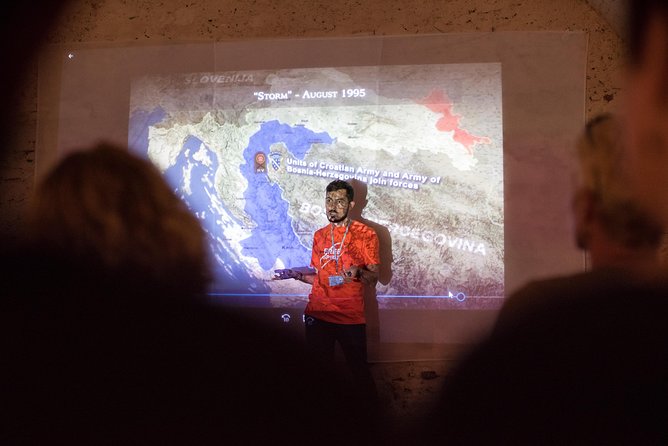
The final main stop is Kaptol, with about 1 hour here. The highlight is another basement used as a bombing shelter, plus a multimedia exhibition connected to the fall of Yugoslavia and the Croatian Homeland War.
This is where the tour shifts from mostly physical context to narrative synthesis. You’ve seen shelters and heard about how people survived. Now you get the story that explains how the region moved toward the 1990–1995 conflict, and what independence meant in real life.
Many tours end with a video, and this one does too—people describe a short concluding video segment (around 20 minutes). That ending matters. You finish with a timeline you can picture, not a scatter of notes.
If you’re someone who likes maps and visuals, you’ll likely feel the payoff here. If visuals are not your thing, don’t worry—the earlier tunnel stops provide enough grounding to keep the final segment from feeling abstract.
How This Tour Covers Communism Without Losing the Thread
The title emphasizes communism, but the tour doesn’t act like history is trapped in a single label. It uses communist-era life as context, while still keeping one through-line: the region’s repeated experience with war, power shifts, and survival.
From what I’ve seen in how guides explain it, the best versions of this tour do two things well:
- They connect politics to place (shelters, basements, city spaces).
- They avoid turning the story into slogans by naming real events and showing consequences.
Also, guides in this tour tend to bring personal teaching style. Past participants highlight guides like Ivana and Darko for strong explanation, and Luka for being organized. That matters because 20th-century Balkan history can feel complex fast. A good guide helps it stay human.
What to Ask Your Guide During the Walk
This tour is built for questions. With a maximum group size of 20, you can ask small things that make the bigger story clearer.
Here are good topics to try, without turning it into a debate club:
- How did life change day-to-day from wartime shelter use to later communist-era routines?
- What should I pay attention to when I see Yugoslavia referenced in other parts of the Balkans?
- What are the key events that made the early 1990s unfold the way they did?
If your guide is using maps and photos, ask them to point out what connects those visuals to what you saw in the tunnels. That’s often the fastest path to understanding.
One more smart move: listen for how your guide handles perspective. Some guides stress that the story you hear is one viewpoint and encourage using extra resources if you want more. That doesn’t weaken the tour. It helps you learn responsibly.
Who This Tour Fits Best (and Who Might Want Another Plan)
This is a great match if you want:
- a history-focused walking tour in Zagreb
- WWII and later 20th-century context tied to real spaces
- a guide who can explain the timeline clearly in English
- a tour length that’s short enough to still enjoy the rest of the day
It’s less ideal if you want mostly light sightseeing, lots of free time at scenic viewpoints, or a “no politics” vibe. This tour covers heavy material—bombings, war, and the fall of Yugoslavia—so your mindset matters. Come curious and willing to learn, and it will feel worth every step.
Kids can join too, as long as children are accompanied by an adult. The walking is manageable, but underground spaces mean you should consider comfort and attention span.
Book It or Skip It: My Take
I’d book this tour if you’re visiting Zagreb for more than a quick stop. For $47.16, you get a guided thread through communist-era life and the Homeland War, grounded by actual WWII shelters in tunnels and basements, plus a multimedia ending that helps it all connect.
Skip it if you only want pretty squares and quick museum browsing. This is not that style. It’s an instructional walk through modern Balkan history, best when you’re ready for serious context.
If you’re on the fence, here’s the simple decision rule I use: if you’ve ever looked at a country’s past and thought, I need the whole story to make sense of this place—go. If you want a casual stroll with minimal mental load—pick a lighter Zagreb option instead.
FAQ
Is this tour in English?
Yes. The experience is offered in English.
How long is the tour?
It runs about 2 hours on average, though some participants note it can feel closer to around 2.5 hours depending on pacing and the multimedia finish.
Where do we meet?
You meet at the Ban Josip Jelačić Statue on Trg bana Josipa Jelačića 15, Zagreb. The tour ends back at the same meeting point.
Are tunnel and basement visits included every day?
The tunnel experiences are part of the tour and listed with free admission during the activity, but access is not included during public events in the tunnels and during the Christmas Market.
Is the tour limited to a small group?
Yes. The group size has a maximum of 20 travelers.
Can I cancel for a full refund?
Yes. You can cancel up to 24 hours in advance for a full refund. If you cancel less than 24 hours before the start time, the amount paid is not refunded.
More Tours in Zagreb


More Tour Reviews in Zagreb

More Yugoslav-Era History Tours

Not quite it? More Zagreb tours and day trips
- Jump into Zagreb: Walking Tour with local guide
★ 4.8 · 3 reviews - Zagreb : Highlights Walking Tour With A Guide
★ 4.7 · 3 reviews - Zagreb Food Tour: Bite into Traditional Dishes and Flavors
★ 5.0 · 3 reviews - Zagreb to Split private transfer with National park Plitvice lakes guided tour
★ 5.0 · 3 reviews - Plitvice Lakes and Rastoke Private Day Tour from Zagreb
★ 5.0 · 3 reviews - Plitvice Lakes Private Guided Tour from Zagreb with Transfer to Split
★ 5.0 · 3 reviews - Private transfer from Zagreb to Zadar with Plitvice Lakes private tour
★ 5.0 · 3 reviews - Plitvice Lakes Hidden Gems from Zagreb
★ 5.0 · 3 reviews
Communist & Yugoslav-Era History Tours, compared.
 ★ 4.9Communism and Croatian Homeland War TourFrom $44779 reviews
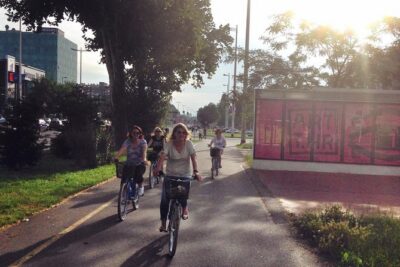 ★ 5.0Back to Socialism Bike TourFrom $4949 reviews
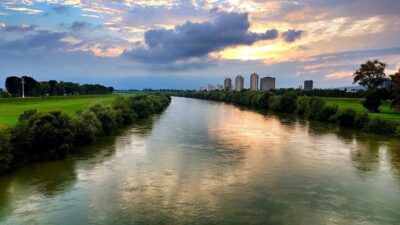 ★ 4.62.5-Hour Cycle Back to Socialism TourFrom $5725 reviews
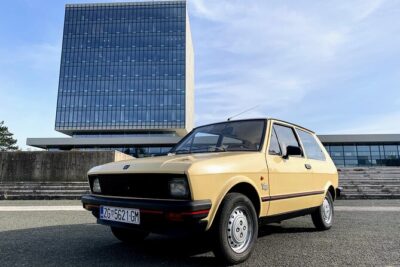 ★ 5.0Back to Yugoslavia Private City Tour in Old-Timer Yugo CarFrom $10224 reviews
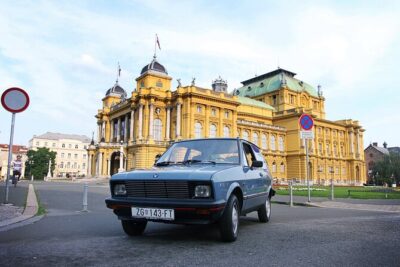 ★ 5.04-hour Private Zagreb & the Mountain Tour in a Yugo carFrom $12620 reviews
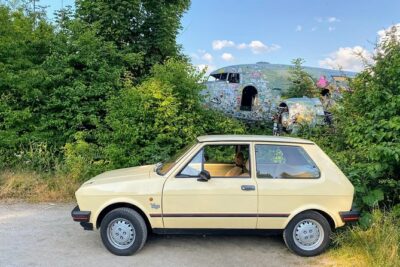 ★ 5.0Full Day Private Tour of Plitvice National Park and Željava Airbase with a YugoFrom $26112 reviews
 ★ 5.0Ex-Yugoslavian “Spomeniks” tourFrom $42111 reviews
 ★ 5.0Private Tito’s Village tour in Old-Timer Yugo carFrom $1688 reviews
Browse the lists this tour appears in