
Reviewed · MUSEUM OF BROKEN RELATIONSHIPS & QUIRKY MUSEUMS
Zagreb: Skip-the-Ticket-Line Museum of Broken Relationships
Breakups, but make them art. The Museum of Broken Relationships turns small, personal objects into an emotional walk through how people love, lose, and keep going, with skip-the-ticket-line entry that helps you start fast. I especially like the way it feels anonymous-but-intimate, so the stories land without turning into gossip.
The second thing I like is the balance of tones: sad, funny, and oddly relatable all in one visit, even when you weren’t sure you’d be into a break-up museum. One possible drawback: it’s not huge, so if you want big-gallery museum time or very light reading, you may feel it ends sooner than expected.
In This Review
- Key things to know before you go
- Zagreb’s Museum of Broken Relationships: what you’re actually stepping into
- Skip-the-ticket-line entry and small-group pacing in Zagreb
- The real show: objects paired with anonymous stories
- A worldwide mix of love and loss, with humor where you least expect it
- How long to plan, and why the reading-heavy format is the whole point
- Practical tips: what you can bring, what to skip, and how to avoid a crowded-feeling visit
- Price and value: is €-style value really this good at $8?
- Who this Zagreb museum is best for (and who should think twice)
- Should you book Museum of Broken Relationships in Zagreb?
- FAQ
- What is the price of the Museum of Broken Relationships in Zagreb?
- How long should I plan for my visit?
- Does this experience include skip-the-line entry?
- What languages are available for the exhibit captions?
- What are the last entrance times?
- Are food, drinks, or large bags allowed?
- Is the museum wheelchair accessible, and how big is the group?
Key things to know before you go
- Skip-the-line entry helps you avoid friction when you arrive at a busy moment.
- Anonymous contributions keep the focus on the emotion, not the person’s identity.
- Hundreds of relationship moments are presented through everyday objects and their short histories.
- Mixed moods: you’ll get teary moments and wry laughs, sometimes close together.
- Lots of reading is the core activity, so plan to slow down.
- Small group size (up to 10) keeps the pace calmer than a typical museum crowd.
Zagreb’s Museum of Broken Relationships: what you’re actually stepping into
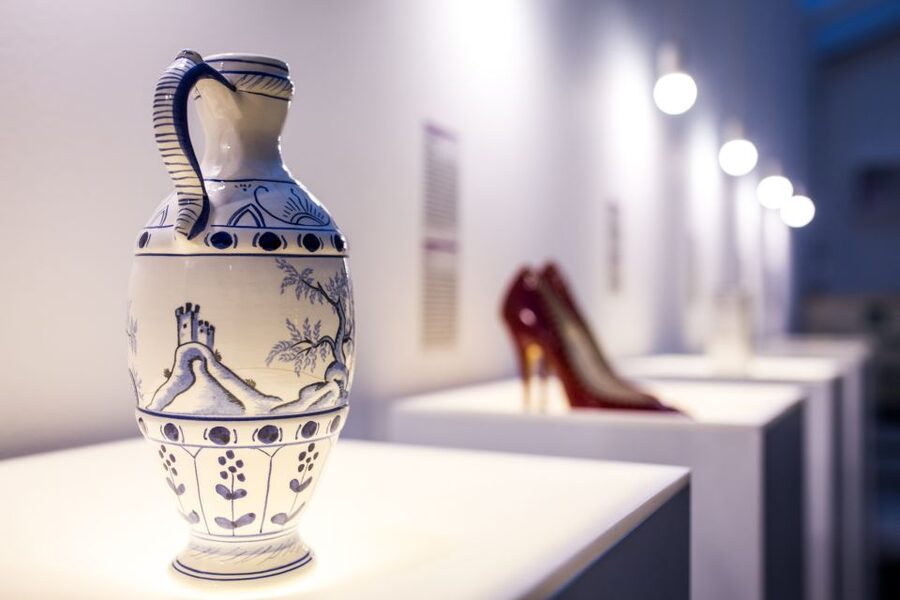
This museum is built around a simple but powerful idea: the “stuff” left behind after love ends can still tell the truth. You’ll move room to room seeing donated objects—small, ordinary things—with a personal story attached. The twist is that the contributor is anonymous, so you’re not evaluating a life story for facts. You’re reading to understand feelings.
What makes it compelling in Zagreb is how it treats heartbreak like something human and common, not sensational. The museum doesn’t limit itself to romance either. Expect relationship stories tied to parents, grandparents, friends, and other kinds of bonds, which helps the whole exhibit feel broader than its name.
And yes, it can hit hard. But it’s also creative and sometimes darkly humorous, which is part of why it works. Love and loss rarely stay in one emotional lane.
More of the odd little Zagreb museums, from Broken Relationships to Hangovers.





Skip-the-ticket-line entry and small-group pacing in Zagreb
You buy entry with skip-the-line access, and that matters more than it sounds. A small museum can still get slow if people are waiting to enter while others are leaving, especially during peak times. Having a timed entry approach helps you get your bearings fast and spend your energy on the objects and stories instead of standing around.
The group stays small—limited to 10 participants—which tends to make the visit feel more like guided wandering than a rushed museum checklist. You’ll also see friendly staff available to answer questions, which is useful here because the museum is emotional, and you may want a quick clarifier about how something is presented.
Timing tip: the last entrance depends on the season. During summer/fall (June 1–Sept 30), the final entry is at 7:30 PM. During winter/spring (Oct 1–May 31), the final entry is at 8:30 PM. If you arrive late, you may find the doors closing before you reach the last rooms.
The real show: objects paired with anonymous stories
The museum’s collection includes around 100 stories tied to items donated from people around the world. Each object comes with a caption that explains what it is and what it represents. That format is what makes this place feel different from a standard museum. The object isn’t just a display—it’s a prompt.
I like that the stories are tied to closure. Not closure as a neat ending, but closure as a chance to put a feeling into language. You can see how people make meaning out of loss, whether they shared something romantic, familial, or platonic.
Also, the museum is designed like a guided emotional path, not a lecture. As you move through the rooms, the stories shift. That pacing can take you from a lighter mood to something very raw, and then back again. Don’t worry if that whiplash sounds uncomfortable. That’s exactly the point: real life is messy.
More tickets and entries to book before you go.






A worldwide mix of love and loss, with humor where you least expect it
One of the most praised aspects of this museum is the emotional range. You’ll find stories that feel heartbreaking, but you’ll also find moments that bring a laugh. Some objects come with writing that’s sharp, silly, or surprisingly human. Others feel heavy in a way that stays with you.
The museum also broadens the idea of breakup. It’s not only about romantic endings. You’ll see relationships fracture and shift in many ways—identity, family distance, friendships gone wrong, and other bonds that don’t always get a proper funeral. That variety can help you if your breakup experience doesn’t match the usual script.
A useful mindset: treat what you see as art made from real moments, not as a single narrative about how people “should” grieve. The stories don’t ask you to agree with someone. They invite you to recognize your own feelings, or at least understand someone else’s.
How long to plan, and why the reading-heavy format is the whole point
This museum isn’t built for marathon time. Expect to spend about 45 minutes to 1 hour 15 minutes, depending on how slowly you read and whether you pause for multiple captions. Some people finish faster, others take longer when they read every description.
The key practical detail is that captions are in Croatian and English. If you want another language, there are QR codes or booklets mentioned as available options. So if you don’t read Croatian, you still won’t feel stuck.
Here’s the challenge: it’s a lot of text. Some visitors love that, and some find it tiring. If you’re the type who skims museum captions, you may miss what makes this place special. If you’re the type who likes reading small stories in a quiet spot, you’ll likely enjoy yourself a lot more.
A simple strategy: don’t feel forced to read everything at full speed. Pick a pace—either read each caption carefully or read selectively and come back for the ones that grab you.
Practical tips: what you can bring, what to skip, and how to avoid a crowded-feeling visit
The museum is straightforward on rules, which helps because you’ll be focused on emotional content, not logistics. Food and drinks aren’t allowed, and you shouldn’t bring luggage or large bags. If you’re traveling light already, you’re set. If you’re carrying a bigger day bag, consider downsizing before you arrive.
Crowd and comfort can matter in small spaces. On some evenings, the museum can feel warm or busy toward the later part of the visit as people move through. If you want a calmer experience, I’d aim for an earlier time slot rather than the last hour.
There’s also a cafe bar on site that people mention as a cozy option for coffee or cocktails. Since food and drinks aren’t allowed inside the exhibit areas, plan for that as a separate stop before or after your museum time.
Finally, if you prefer a guided explanation, keep an eye out for staff-led help. One mentioned guide name is Diana, described as informative and fun, but your experience may vary depending on who’s working that day.
Price and value: is €-style value really this good at $8?
At $8 per person, this is priced like a quirky cultural stop, not a high-ticket attraction. The value comes from three things:
First, you get a complete experience in a short time. Even if you don’t read every story, you’re unlikely to feel stuck for hours. You’re also not paying for time you don’t use.
Second, the emotional content is not generic. Because each object has a story attached and contributors are anonymous, it feels like a wide range of real lives without needing context about the writer. That intimacy is rare at this price point.
Third, the museum is built for repeatable attention. You can revisit photos or remember a caption later, which is a sign that the stories are sticky. Some exhibits are funny. Some are genuinely disturbing. That mix can make the museum feel like more than a one-time viewing.
If you’re deciding whether to prioritize it in a day, this is the kind of attraction that often beats “bigger but standard” museums in memorability per hour.
Who this Zagreb museum is best for (and who should think twice)
You’ll be a strong match if you like:
- People-centered art that uses everyday items
- Reading small stories closely
- Emotional experiences that aren’t just sad, but also wry and human
You might want to think twice if:
- You hate reading captions in general
- You want a large, gallery-style museum experience
- You get uncomfortable with personal themes like breakup, loss, and closure
One more note: even if your own relationship story isn’t the typical romance breakup, the museum’s scope includes family and friendship dynamics. That can broaden the connection without forcing it.
Should you book Museum of Broken Relationships in Zagreb?
Book it if you have room in your day and you’re open to feeling something real. For $8, you get an unusually personal museum that’s short enough to fit almost anywhere in Zagreb, but crafted well enough that it doesn’t feel disposable.
Skip it only if you want a conventional museum with minimal reading and a purely historical approach. If you’re the kind of visitor who actually reads and remembers captions, this is the rare museum that justifies your attention fast.
FAQ
What is the price of the Museum of Broken Relationships in Zagreb?
The entry price is listed as $8 per person.
How long should I plan for my visit?
A typical visit runs around 45 minutes to about 1 hour 15 minutes, depending on how carefully you read the stories.
Does this experience include skip-the-line entry?
Yes. Your booking includes skip-the-ticket-line entry.
What languages are available for the exhibit captions?
Exhibit captions are available in Croatian and English. Other languages are available via QR codes or as booklets.
What are the last entrance times?
During summer/fall (June 1–Sept 30), the last entrance is 7:30 PM. During winter/spring (Oct 1–May 31), the last entrance is 8:30 PM.
Are food, drinks, or large bags allowed?
No. Food and drinks are not allowed, and luggage or large bags are not allowed.
Is the museum wheelchair accessible, and how big is the group?
It is wheelchair accessible. The experience is a small group limited to 10 participants.
More Zagreb Tickets to Book





More Tour Reviews in Zagreb



More Quirky Zagreb Museums

Not quite it? More Zagreb tours and day trips
- Jump into Zagreb: Walking Tour with local guide
★ 4.8 · 3 reviews - Zagreb : Highlights Walking Tour With A Guide
★ 4.7 · 3 reviews - Zagreb Food Tour: Bite into Traditional Dishes and Flavors
★ 5.0 · 3 reviews - Zagreb to Split private transfer with National park Plitvice lakes guided tour
★ 5.0 · 3 reviews - Plitvice Lakes and Rastoke Private Day Tour from Zagreb
★ 5.0 · 3 reviews - Plitvice Lakes Private Guided Tour from Zagreb with Transfer to Split
★ 5.0 · 3 reviews - Private transfer from Zagreb to Zadar with Plitvice Lakes private tour
★ 5.0 · 3 reviews - Plitvice Lakes Hidden Gems from Zagreb
★ 5.0 · 3 reviews
Museum of Broken Relationships & Quirky Museums, compared.
 ★ 4.5Nikola Tesla Technical Museum TicketFrom $8520 reviews
 ★ 4.0Museum of Illusions Entrance TicketFrom $14261 reviews
 ★ 4.0Museum of Illusions ZagrebFrom $14197 reviews
 ★ 4.5Experience Museum of Hangovers in ZagrebFrom $14155 reviews
 ★ 4.5Chocolate Museum Entry TicketFrom $1672 reviews
 ★ 4.0Toast to the Morning After: Zagreb Museum of Hangovers VisitFrom $1539 reviews
 ★ 4.0Museum of Selfies & Memories Zagreb TicketFrom $913 reviews
 ★ 3.5Museum tour ZagrebFrom $883 reviews
Browse the lists this tour appears in