
Reviewed · MUSEUM OF BROKEN RELATIONSHIPS & QUIRKY MUSEUMS
Zagreb: Museum of Illusions Entrance Ticket
Illusions hit different in a room of rules. Zagreb’s Museum of Illusions is a one-day ticket into 70+ visual and sensory exhibits, including one of the largest hologram displays in Europe. I especially like the holograms plus the way the installations quietly teach you how vision and perception can trick your brain.
The experience is mostly hands-on, and it’s very photo-friendly with big, memorable moments. One thing to consider: if you hate repetition, some areas can feel a bit similar, and when it’s crowded the layout can feel a little chaotic.
Still, you’ll leave with a head-scratching smile, a camera full of odd angles, and that must-do final shot in the Rotated Room.
In This Review
- Quick hits before you go
- Tickets and entry: $14 for a full day of optical chaos
- What the museum experience is like: self-guided, photo-first, brain-on
- The hologram hall: one of Europe’s biggest shows for your eyes
- Water that climbs: the gravity illusion you’ll remember
- Make your group change size: the grow-shrink moment
- Mirrors, misdirection, and the funhouse body tricks
- A simple route plan for a museum with no strict path
- The playroom: where the fun stays educational
- The Rotated Room: end the day with the right kind of photo
- Who should go (and who might not love it)
- Value check: is $14 worth it in Zagreb?
- Should you book Zagreb’s Museum of Illusions?
- FAQ
- How much is the Zagreb Museum of Illusions entrance ticket?
- How many exhibits are included with the ticket?
- How long is the museum visit valid for?
- Where do I show my voucher to enter?
- What languages are captions available in?
- What should I bring, and what is not allowed?
- Is the museum suitable for wheelchair users?
Quick hits before you go
- 70+ exhibits that mix visual, sensory, and science lessons into play
- One of Europe’s biggest hologram exhibitions, made for close-up viewing and photos
- A gravity-bending scene with water flowing uphill
- Size-shifting fun, where people can look like they grow or shrink
- Photo moments like the Rotated Room that reward you at the end
- A playroom with educational games and puzzles for a calmer pace
Tickets and entry: $14 for a full day of optical chaos
At $14 per person, this is a straightforward outing: you buy an entrance ticket, walk in, and spend the day moving from illusion to illusion. The activity is valid for one day, so you can plan it as a flexible stop in your Zagreb schedule without worrying about a strict tour timeline.
To get in, you show your voucher at the museum’s main entrance. If you’re arriving later in the day, I’d still pre-book ahead of time, because this kind of attraction runs on steady foot traffic and you’ll want to skip the extra friction.
A few practical rules shape how you’ll plan your visit. Bring a camera. Pets aren’t allowed, and there’s no mention of eating or drinking inside, so plan on not needing snacks during your time there. Captions are offered in English, German, Italian, and Croatian, which is helpful if you don’t read Croatian but still want the explanations.
Also note: it’s not suitable for wheelchair users. If you need accessibility support, check before you commit your day.
More of the odd little Zagreb museums, from Broken Relationships to Hangovers.





What the museum experience is like: self-guided, photo-first, brain-on
This is not a sit-and-listen museum. It’s built around looking, trying, and re-looking. You’ll bounce between installations that mess with depth, scale, gravity, and what your eyes think they’re seeing. The best part is that the exhibits don’t just look cool. They’re meant to show how the brain completes the picture, sometimes using guesses you don’t notice until the illusion snaps into place.
You should expect a mix of:
- Quick-hit photo illusions where you can replicate the moment for friends
- Longer observation setups where taking your time pays off
- A few physical, hands-on stations that make the experience more memorable than a wall of posters
One practical tip: arrive ready to slow down for a second before stepping into each installation. The first glance is fun, but the second glance is usually where the lesson lands.
When it gets busy, expect some jostling for space. The upside is you’ll see plenty of people doing the same reactions you will. The downside is that a layout can feel messy if you’re trying to move calmly with a tight plan. If you prefer quiet, try to come earlier in the day.
The hologram hall: one of Europe’s biggest shows for your eyes
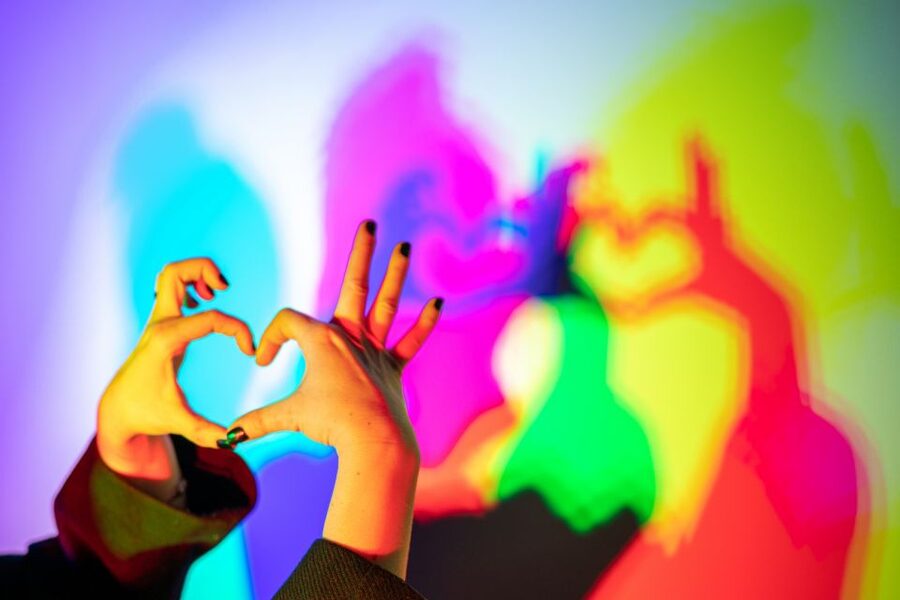
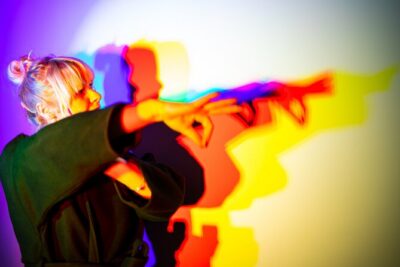
The hologram exhibition is the headline attraction. It’s described as one of the largest in Europe, and that matters because the scale changes how you experience it. Instead of just spotting a couple of flashy pieces, you get a longer stretch where you can compare what you see from different angles and distances.
For your visit, treat the holograms like a mini photo session with rules of physics. Stand where the effect looks strongest, then adjust slowly. A quick “take the shot and leave” approach can waste the best part of the illusion, because hologram perception often depends on how you’re positioned.
I also like that holograms fit different travel styles:
- If you love tech and visuals, you get a lot to focus on.
- If you just want fun photos, you’ll have plenty of dramatic moments.
- If you’re bringing kids, it’s easier to keep their attention here than in purely educational rooms.
More tickets and entries to book before you go.



Water that climbs: the gravity illusion you’ll remember
One standout installation flips your expectations with a scene where water flows uphill. On paper, that sounds like a magic trick. In practice, it’s a lesson in perception: your brain expects gravity to behave one way, so when the exhibit challenges that expectation, you notice the gap between what you see and what you assume.
How to get more out of it:
- Give it 20–30 seconds longer than you think you need.
- Watch the water, not your phone screen.
- Then take your photos after you’ve registered the motion.
This is the kind of exhibit that also makes for better conversations afterward. You’ll have a real example of how your brain interprets the world with incomplete information.
Make your group change size: the grow-shrink moment
Another crowd-pleaser is the illusion where friends appear to grow or shrink right in front of your eyes. This one is pure travel value because it turns the whole group into part of the show. It’s also easy to photograph, since the effect is immediate and obvious.
To avoid blurry photos, I’d do it like this:
- Pick one person to be the anchor pose.
- Let your camera focus, then trigger the shot.
- Do a quick check before moving on, so you don’t waste time redoing later.
This installation is also a reminder that the brain uses visual cues like distance and scale to estimate reality. When the exhibit messes with those cues, your perception can’t help but follow along.
Mirrors, misdirection, and the funhouse body tricks
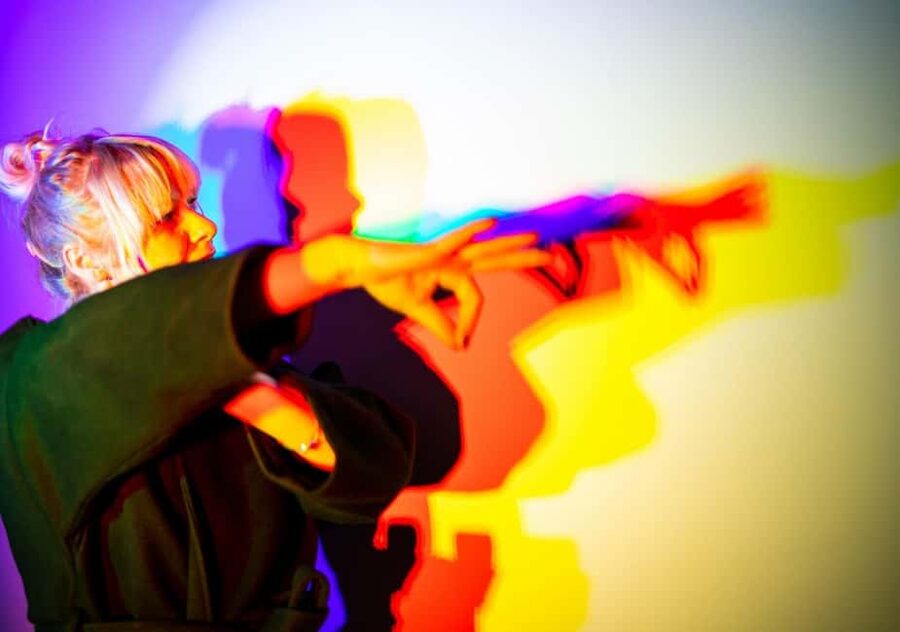
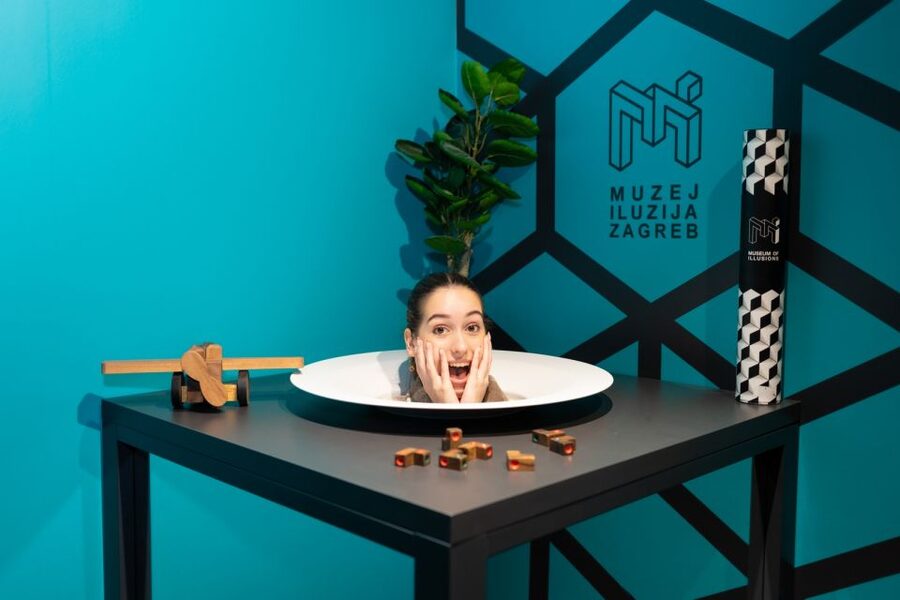
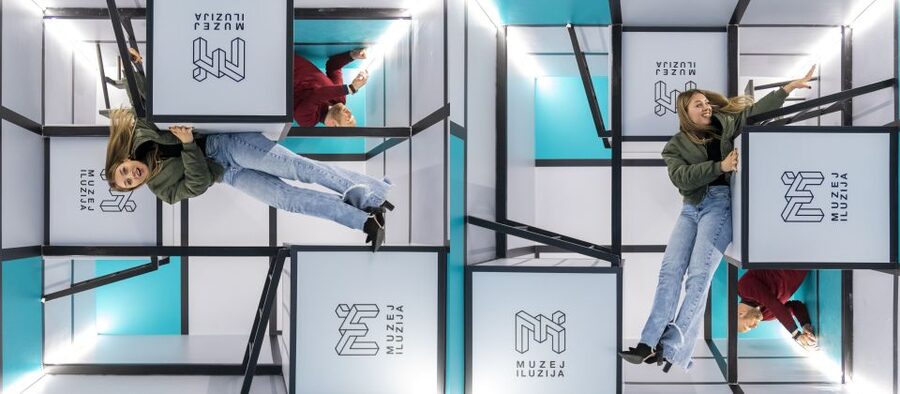
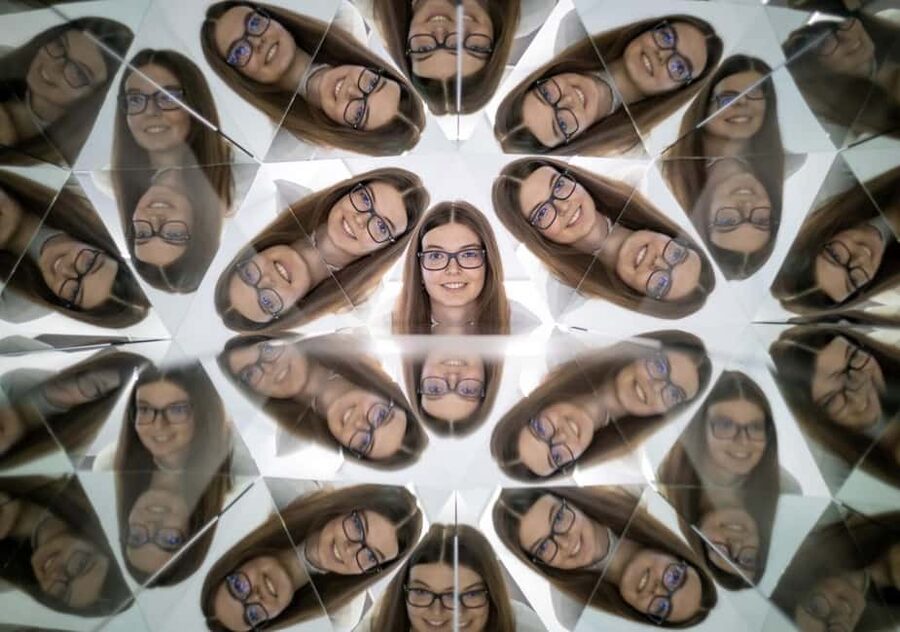
The museum includes a maze of mirrors, plus other interactive stations like serving someone’s head on a tray and a spot where you can climb up onto the ceiling. These parts are less about reading explanations and more about participating in the illusion with your body and your camera.
Why I think these work so well:
- They create instant reactions, so it’s hard to feel bored.
- They’re memorable because you’re physically inside the trick.
- They’re perfect for group photos because the setup is clear and dramatic.
When you’re dealing with mirrors, light can make a big difference. If the photo isn’t working, don’t fight the angle for a full minute. Shift positions slightly and try again. Small changes often fix the problem faster than changing your camera settings.
A simple route plan for a museum with no strict path
There isn’t a guaranteed single-file itinerary here. The experience is self-guided, so you’ll set your own rhythm. That’s good news if you like wandering. It can be annoying if you show up with a strict plan.
My practical approach:
- Start with the holograms while your eyes are fresh and the space feels less busy.
- Then do the big visual moments: the uphill water, the size change, and any illusion where you’ll want clear photo conditions.
- Save the mirror-heavy and body-action stations for when you’re ready to slow down and wait your turn.
- Finish strong with the Rotated Room photo moment at the end.
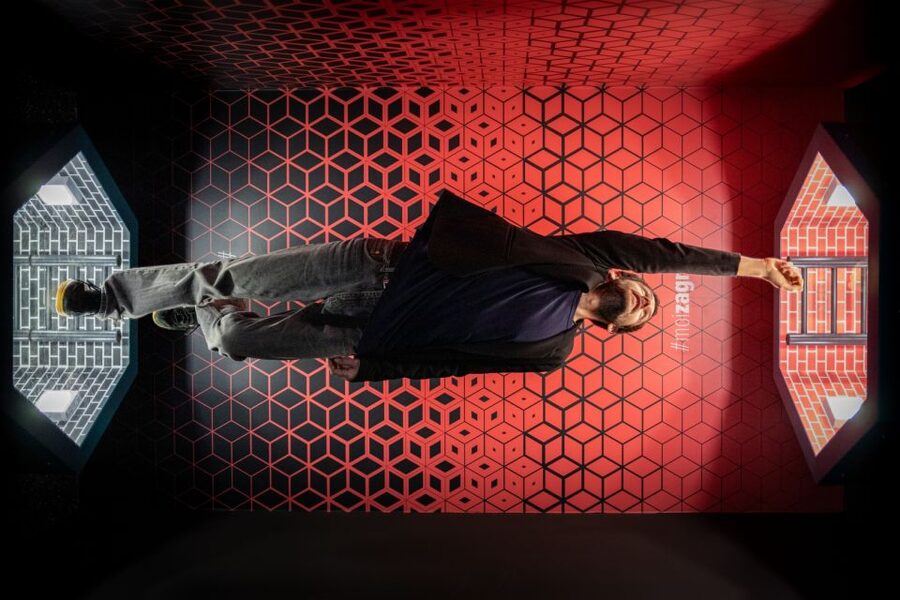
Finishing matters. The Rotated Room is basically a natural farewell: you get your final proof that you were really there and you got the “one last picture” moment you’ll want to remember.
If the museum feels crowded, accept that you might need to queue briefly for popular stations. Plan to spend a bit longer overall rather than trying to power through every exhibit in record time.
The playroom: where the fun stays educational
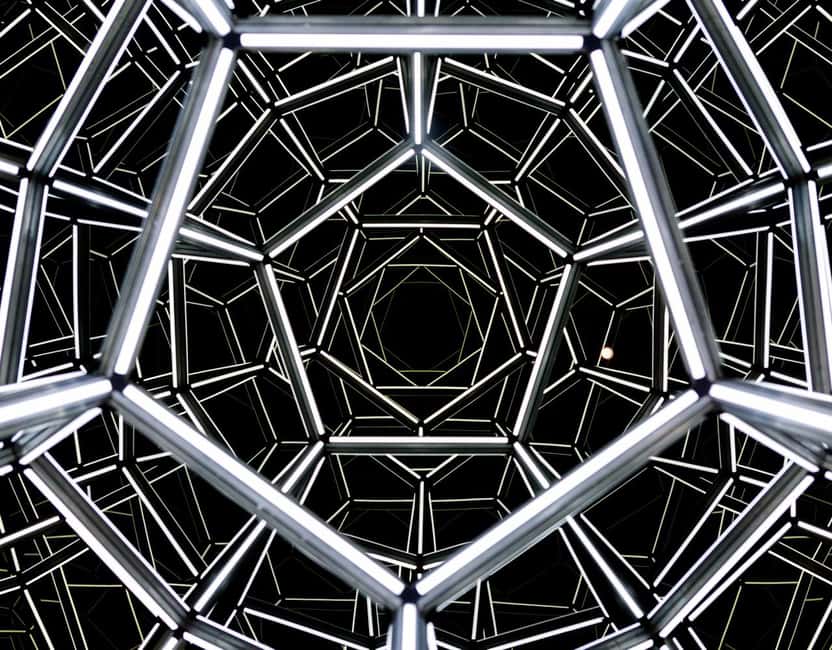
Not every moment is about high-impact photos. The museum also has a playroom filled with educational games and puzzles. This is a nice balance because it breaks up the more hectic, camera-heavy installations.
If you’re traveling with kids, this is your reset zone. Even if you’re an adult, it’s a good place to slow down, read the captions, and try something without rushing.
It also helps you understand the museum’s goal. The illusions aren’t random. They’re meant to teach about how vision works, how the brain processes signals, and why your eyes can disagree with what your brain concludes.
The Rotated Room: end the day with the right kind of photo
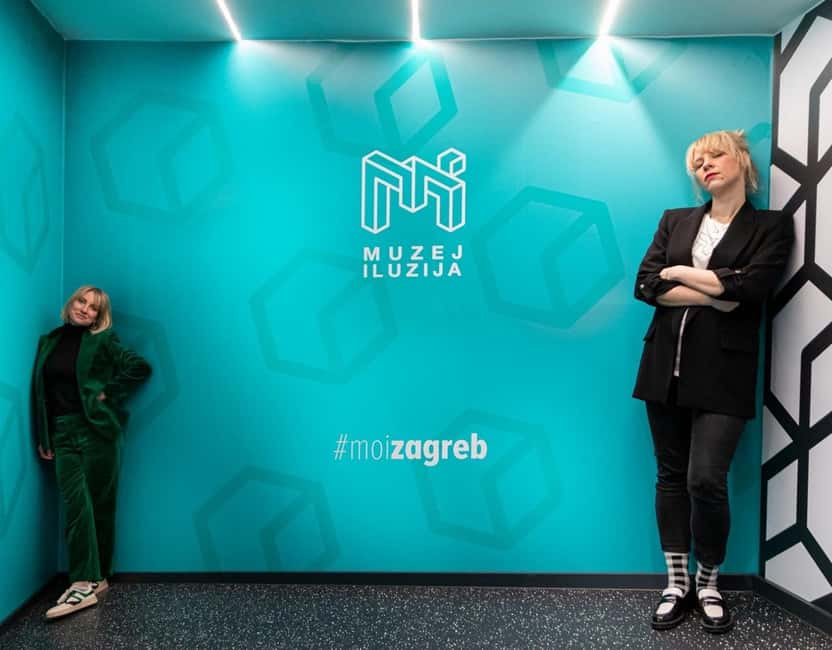
Before you leave, make sure you take your picture in the Rotated Room. It’s specifically called out as a “photo of your accomplishment,” which tells you what to expect: this is one of those installations where the result is the point.
Come prepared to look a little silly on purpose. The payoff is that the image tends to be instantly understandable, even if you don’t explain the illusion to anyone later. It’s also a great way to wrap the day because you’re not guessing what to do. You just go in, pose, and capture the moment.
Who should go (and who might not love it)
This is ideal if:
- You enjoy hands-on, visual experiences over lecture-style museums
- Your trip includes kids or teens who love interactive activities
- You like taking photos with clear, repeatable setups
- You’re the type who likes science that doesn’t feel like homework
You might want to think twice if:
- You want a massive, hours-long museum experience with lots of quiet space (the pace can feel brisk)
- You dislike repeating themes in installations
- You need wheelchair accessibility (it’s noted as not suitable for wheelchair users)
Value check: is $14 worth it in Zagreb?
For $14, the value comes from how much content you get for the price. You’re not paying for just one or two headline illusions. The ticket covers access to over 70 exhibits, including the hologram exhibition plus multiple big, photo-ready scenes.
Where value improves further is in the “repeatability” factor. Many installations are designed so that you can try them again, get a better photo, and notice a new detail. That’s the difference between a one-time wow and a longer-lasting experience.
Where value can feel weaker is if you’re expecting a huge building of nonstop variety with lots of space to roam. The experience is fun, but it’s also an attraction, so crowding and repetition can affect your mood.
Bottom line: if you’re excited by optical tricks, this ticket usually feels fair. If you’re only there for one specific thing, the experience can still deliver, but you’ll want to be realistic about how much time you’ll need.
Should you book Zagreb’s Museum of Illusions?
Yes, I’d book it if you want a high-fun, brain-bending stop that works for families and friends. It’s one of those Zagreb activities that’s easy to fit in, gives you a lot of photo moments, and still has explanations that connect the tricks to how vision and perception work.
I’d hesitate only if you’re short on time, don’t like interactive spaces, or you need wheelchair accessibility.
If you’re curious and camera-ready, this is a solid way to spend a day in Zagreb.
FAQ
How much is the Zagreb Museum of Illusions entrance ticket?
The price is $14 per person.
How many exhibits are included with the ticket?
Your ticket gives access to over 70 exhibits.
How long is the museum visit valid for?
The ticket is valid for 1 day. You can check availability for starting times.
Where do I show my voucher to enter?
Show your voucher at the museum’s main entrance.
What languages are captions available in?
The museum offers captions in English, German, Italian, and Croatian.
What should I bring, and what is not allowed?
Bring a camera. Pets are not allowed, and food and drinks are not allowed.
Is the museum suitable for wheelchair users?
No, the museum is not suitable for wheelchair users.
More Zagreb Tickets to Book




More Tour Reviews in Zagreb

More Quirky Zagreb Museums

Not quite it? More Zagreb tours and day trips
- Jump into Zagreb: Walking Tour with local guide
★ 4.8 · 3 reviews - Zagreb : Highlights Walking Tour With A Guide
★ 4.7 · 3 reviews - Zagreb Food Tour: Bite into Traditional Dishes and Flavors
★ 5.0 · 3 reviews - Zagreb to Split private transfer with National park Plitvice lakes guided tour
★ 5.0 · 3 reviews - Plitvice Lakes and Rastoke Private Day Tour from Zagreb
★ 5.0 · 3 reviews - Plitvice Lakes Private Guided Tour from Zagreb with Transfer to Split
★ 5.0 · 3 reviews - Private transfer from Zagreb to Zadar with Plitvice Lakes private tour
★ 5.0 · 3 reviews - Plitvice Lakes Hidden Gems from Zagreb
★ 5.0 · 3 reviews
Museum of Broken Relationships & Quirky Museums, compared.
 ★ 4.5Skip-the-Ticket-Line Museum of Broken RelationshipsFrom $8847 reviews
 ★ 4.5Nikola Tesla Technical Museum TicketFrom $8520 reviews
 ★ 4.0Museum of Illusions ZagrebFrom $14197 reviews
 ★ 4.5Experience Museum of Hangovers in ZagrebFrom $14155 reviews
 ★ 4.5Chocolate Museum Entry TicketFrom $1672 reviews
 ★ 4.0Toast to the Morning After: Zagreb Museum of Hangovers VisitFrom $1539 reviews
 ★ 4.0Museum of Selfies & Memories Zagreb TicketFrom $913 reviews
 ★ 3.5Museum tour ZagrebFrom $883 reviews
Browse the lists this tour appears in