
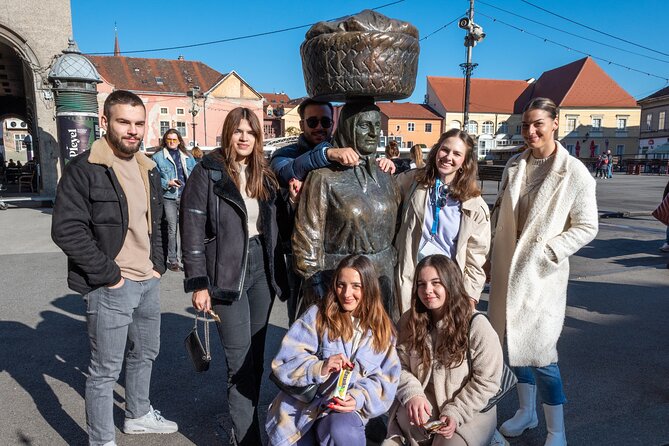
Reviewed · ZAGREB FOOD TOURS & DOLAC MARKET
Authentic Croatian Food & Heritage Walk in a Small Group
Food and history in Zagreb, with your stomach voting yes. This small-group walk strings together squares, parks, and markets so the city’s flavors make sense. It runs about 3 to 4 hours, starts at 10:00 am, and keeps things hands-on with tastings and stories from a local guide like Tea.
I really like how the route is built around everyday eating moments—street bites, market shopping, and a proper tavern stop—so you don’t just hear facts, you taste the culture. I also like that the guide ties dishes to place and time, from the early “table culture” talk at King Tomislav Square to the sweet finish with the famous štrukli.
One consideration: you’ll be walking between multiple stops and the tour includes alcoholic beverages (homemade liqueur or brandy), so come ready to eat and drink if that’s your thing. If you have a strict diet, the tour notes it can’t always guarantee restricted options because local food customs can be tricky.
In This Review
- What Makes This Zagreb Walk Work So Well
- A Food and Heritage Walk Built for Real Eating
- Price, Time, and What You’re Really Paying For
- 10:00 am and a Walking-Friendly Route
- Stop 1: King Tomislav Square and the Food-Travel Connection
- Stop 2: Zrinjevac Park—Where Relaxing Meets Old Zagreb
- Stop 3: Petrinjska Street and a Heritage Snack Bar
- Stop 4: Ban Josip Jelačić Square for Context and Compass Points
- Stop 5: Dolac Market and the Kumice—How Buying Becomes Culture
- Stop 6: Gostionica Ficlek Tavern—Zagreb Table Dishes and a Real Taste Moment
- Stop 7: Cathedral of Zagreb—Majesty, Then Stories You’ll Remember
- Stop 8: La Štruk—The Sweet Finish That Changes Your Plans
- Stop 9: Radićeva Street and Pastry-Making Stories
- Stop 10: Back to Ban Jelačić Square—Wrap-Up and What to Do Next
- What You’ll Learn (Besides Just What to Eat)
- Alcohol, Diet, and Other Real-Life Considerations
- Who Should Book This Food and Heritage Walk
- Should You Book This Zagreb Food and Heritage Walk?
- FAQ
- How long is the Zagreb food and heritage walk?
- What time does the tour start?
- Where do I meet, and where does the tour end?
- How many people are in the group?
- Is the tour offered in English?
- What’s included in the price?
- Are admission tickets included for the stops?
- Is transportation included?
- Can minors drink the included alcohol?
- Is the tour suitable if I have dietary restrictions?
- What happens if weather is bad?
What Makes This Zagreb Walk Work So Well
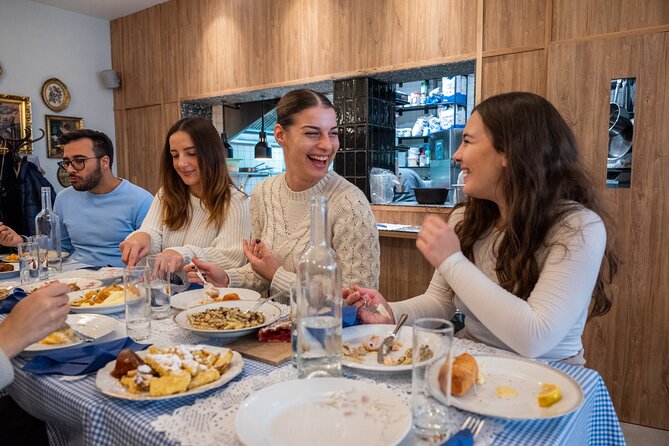
- Max 7 travelers means you get more than a slideshow. You can ask questions and actually hear the answers.
- Dolac Market + kumice: you see the food sellers up close and learn the habits behind what ends up on plates.
- Homemade liqueur or brandy is included, and the tour clearly flags that under-18 travelers can’t taste alcohol.
- A snack-to-tavern-to-sweet flow: savory first, then a serious strukli finish, plus a pastry stop on the way back.
- Tea as a standout guide in reviews: guests highlight her friendliness, preparation, and the way she connects food to Zagreb life.
A Food and Heritage Walk Built for Real Eating
This tour is the kind I recommend when you want Zagreb to feel personal fast. Instead of treating food like an afterthought, it treats it like a thread. The guide starts with “table culture” and culinary habits, then builds from there with specific tastings at recognizable places: parks, streets, a market, a tavern, and ending with dessert.
The small group matters more than it sounds. With a maximum of 7 travelers, you’re not stuck playing tour-traffic-jam. You can keep pace, stop for photos without falling behind, and get the story behind each bite without feeling rushed.
You’ll also notice the tour is designed around variety. It’s not one big sit-down meal. It’s multiple stops with different styles of food, which makes it easier to try more without overloading in one place. And based on reviews, the experience can feel like a friendly half-day with someone who genuinely knows the city.
More walks through the Upper Town, St Mark's roof and the Dolac stalls below.


Price, Time, and What You’re Really Paying For

At $129.41 per person for about 3 to 4 hours, this isn’t a cheap “just walk and look” tour. The value comes from what’s bundled in: a licensed local guide, multiple tastings of local delicacies and regional products, and included alcoholic beverages (homemade liqueur or brandy).
You’re also getting built-in structure. Each stop is tied to a theme—travel and table culture at the start, relaxation and history in the park, market customs with the kumice, and then tavern food that reflects Zagreb’s regional table. That planning reduces the guesswork for you. You don’t have to figure out what’s worth trying or where to go when you’re hungry and short on time.
One more practical note: admission tickets for the listed stops are free, which helps you avoid surprise costs as you move through the day. Your biggest “cost” is likely appetite management.
10:00 am and a Walking-Friendly Route
This tour starts at 10:00 am and ends at Ban Josip Jelačić Square (the main square). The exact rhythm depends on crowds, restaurant hours, and operating days, since the tour mentions stops may vary.
The upside is you’ll get a compact Zagreb overview without the stress of long transit plans. The route includes major central landmarks and a real market. The downside is you’ll need comfortable shoes and a flexible mindset for a few changes in where you eat if a location can’t host at that moment.
Also, wear comfortable clothing. You’ll be on your feet enough that you’ll notice it if you show up in stiff shoes.
More tastings around Dolac market and the Zagreb table, strukli included.
Stop 1: King Tomislav Square and the Food-Travel Connection
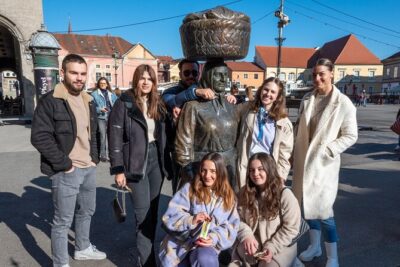
You begin at King Tomislav Square, a smart choice because it also sits by the railway station. The guide uses that setting as more than decoration. It becomes a starting point for thinking about travel, arrivals and departures, and how cultures mix—then ties that idea back to what Croatia eats and how people eat.
Then comes the first food moment: on-the-go bites while you’re settling in. This is a good warm start because it lowers the “I’m just listening” feeling. You’re learning and eating at the same time, before the walking really ramps up.
If you’re the type who forgets to snack early, this first stop helps. It gets you moving with energy, not just information.
Stop 2: Zrinjevac Park—Where Relaxing Meets Old Zagreb
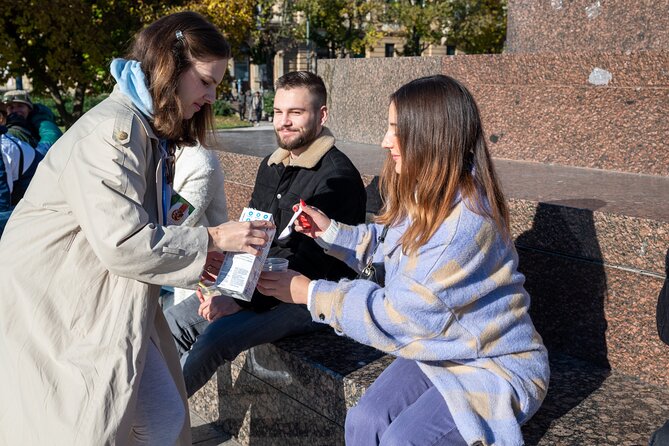
Zrinjevac is one of Zagreb’s well-loved parks for locals who want a breather. But this stop has a historical twist too: it was historically a fairground, which gives the guide a chance to connect leisure and public life with food culture.
You’ll keep the tasting-and-story format going here, with another small snack to prep you for what’s ahead. The park setting also gives you a mental reset. Instead of being stuck in constant “square square square,” you get a breath of green, then head toward the city’s food center.
The drawback is time is short. You’re there about 15 minutes, so don’t expect a park stroll. Think “pause and listen,” not “wander.”
Stop 3: Petrinjska Street and a Heritage Snack Bar
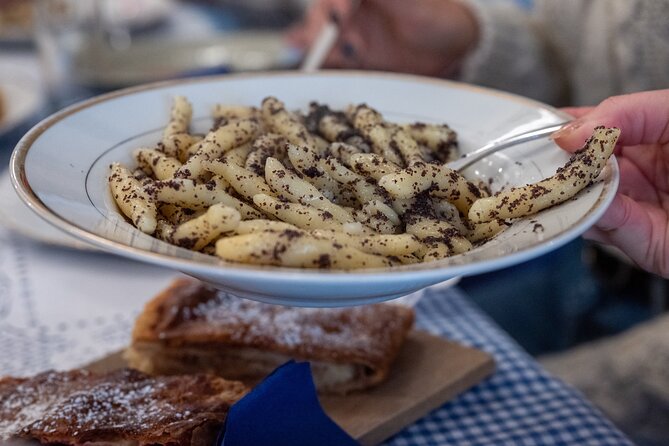
From there you move to Petrinjska Street and the Heritage snack bar. This is where the tour leans into “try a local flavor right where it belongs” energy.
This stop is short, about 20 minutes, but it’s important because it shows how heritage food exists in everyday form. It’s not only something you hunt down in a special restaurant. It’s also the kind of snack you might grab while doing normal city life.
In reviews, guests repeatedly praised variety—savory and sweet, and multiple distinct tastings. This street-level stop is one of the reasons that variety happens instead of getting lost.
Stop 4: Ban Josip Jelačić Square for Context and Compass Points

You’ll pass through Ban Jelačić Square, Zagreb’s main square, and the guide will explain its historical significance and who Ban Jelačić was. Even though you’re not stopping long—about 10 minutes—the story matters because it anchors the route.
Why this matters to your brain: once you understand what the main square represents, the rest of the walking feels less random. You start seeing Zagreb as a connected story, not a list of places.
Also, because the tour ends at the same square, this stop acts like your mid-route waypoint. You’re reminded where you’ll finish and how to orient yourself afterward.
Stop 5: Dolac Market and the Kumice—How Buying Becomes Culture

This is the stop food lovers wait for. Dolac Market is famous in Zagreb, and you’re scheduled there for about 45 minutes. More importantly, the guide focuses on the kumice, the local women sellers, and the products they bring.
You’re not just tasting. You’re learning how the market works socially. The tour frames shopping habits and food customs—how people choose ingredients, how selling is part of community rhythm, and how certain foods become staples rather than treats.
One review highlighted fresh cheese at Dolac, and that’s exactly the kind of market moment that makes your later meals better. If you understand how vendors think and what’s freshest, you’re less likely to buy a souvenir-looking product that’s underwhelming once you get back to your hotel.
Practical tip: markets can be busy. Keep your pace with the group so you don’t miss what the guide is calling out.
Stop 6: Gostionica Ficlek Tavern—Zagreb Table Dishes and a Real Taste Moment
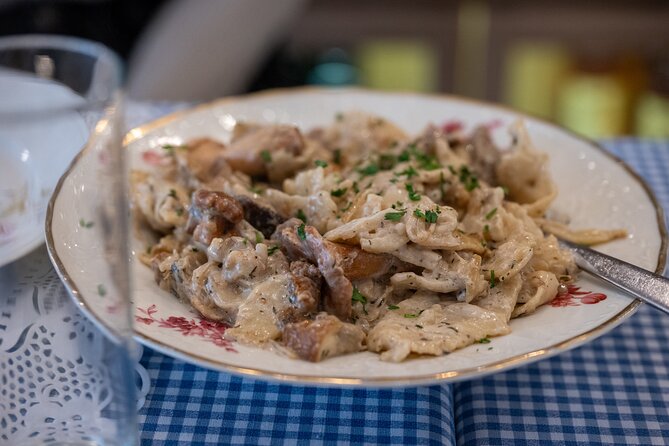
Next is Gostionica Ficlek, a tavern dedicated to the Zagreb table. This stop is the tour’s “sit and savor” energy, about 1 hour, and it’s where you’ll taste specific dishes characteristic of the region.
This is also where the included alcoholic beverage shows up: homemade liqueur or brandy. Reviews mention the overall feeling of a lot of food, so plan to treat this as a key eating block, not a light tasting.
What I like about this structure is simple: if you’re only eating street snacks, you can miss how people actually eat in Zagreb. The tavern stop fills that gap. It gives you a baseline for what’s considered proper regional cooking, not just quick bites.
One more reason to take this stop seriously: a review mentioned that when a restaurant situation changed due to a private event, the guide adjusted on the spot so the food experience didn’t fall apart. That’s the kind of preparation that makes a tour feel reliable.
Stop 7: Cathedral of Zagreb—Majesty, Then Stories You’ll Remember
After the tavern, you head to the Cathedral of Zagreb for about 15 minutes. The guide frames it as the city’s most beautiful church and uses the majesty of the building to tell historical stories and interesting facts.
This stop adds variety to your day. Up to now, you’ve been centered on taste and daily culture. The cathedral is about perspective: how major institutions shape a city’s identity over time, and how that shows up in what people value and celebrate.
It’s also a nice contrast after eating. If you need a mental breather, this is the stop.
Stop 8: La Štruk—The Sweet Finish That Changes Your Plans
Finally, you sweeten things up with La Štruk, where you’ll get štrukli—described as the currently most famous in the city. This stop is about 35 minutes, and it’s intentionally near the end because štrukli can be intense in the best way.
Reviews repeatedly mention a love-at-first-bite moment with strukli. One guest even said they left with a new addiction. I get the logic: this is the kind of food that’s both familiar enough to crave and different enough to remember.
If you’re planning dinner later that day, here’s the honest advice: you may not have space. This is one of those tours where you should assume you’ll be full later. Build your schedule around that reality, not around optimism.
Stop 9: Radićeva Street and Pastry-Making Stories
On the way back toward Ban Jelačić Square, you stroll along Radićeva Street for about 15 minutes. The focus here is pastry-making stories—how Zagreb does dessert and how tastes develop in place.
This stop is shorter than the big food moments, but it gives you a final layer of context. Instead of just eating one last item, you also leave with a framework for what to look for in Zagreb’s pastry scene later.
If you love sweets, you’ll probably want to keep walking after the tour. If sweets aren’t your thing, consider this a “light reset” stop where the guide’s stories do most of the work.
Stop 10: Back to Ban Jelačić Square—Wrap-Up and What to Do Next
You finish where you started your route in spirit: Ban Jelačić Square. The walk ends after about 5 minutes of concluding time.
By then, you’ll be carrying a few things beyond memories: you’ll understand where to find market ingredients, which dish types Zagreb favors, and how food habits connect to daily life and public spaces. That makes it easier to plan your next meal without guessing.
The best part of finishing at the main square is practical. If you want to continue exploring, you’re in the center of everything—easy to move onward to museums, cafés, or a slower evening stroll.
What You’ll Learn (Besides Just What to Eat)
This tour doesn’t treat food like trivia. It treats food like a cultural language.
Some of the specific themes you’ll pick up along the way include:
- Table culture and culinary habits at the start, tied to how Croatian eating developed.
- Public life and leisure in Zrinjevac, from fairground history to local relaxation.
- Market customs through the kumice at Dolac, showing buying habits and community rhythms.
- Zagreb table dishes in a tavern setting, so you taste “everyday tradition,” not only “tourist tradition.”
- Sweet heritage through štrukli and pastry stories on Radićeva Street.
And because multiple tastings happen across multiple locations, you don’t end the tour with one flavor dominating your memory. You end with a better sense of what a “Zagreb plate” can feel like.
Alcohol, Diet, and Other Real-Life Considerations
Homemade liqueur or brandy is included. The tour data also notes individuals under 18 can’t consume alcoholic beverages. So plan accordingly if you’re traveling with teens.
For diet needs: the tour specifically says it can’t always guarantee restricted diet options due to local food customs. If you’re vegetarian, gluten-free, or managing allergies, you should take that seriously and check with the operator ahead of time if possible. The safest move is to be realistic about what “restricted” might mean on this kind of heritage-food route.
Also, pace yourself. This tour sets you up to be very full. Reviews stress that point, and the stop count supports it.
Who Should Book This Food and Heritage Walk
This tour is a strong fit if you:
- want a guided introduction to Croatian flavors in central Zagreb
- enjoy learning how food connects to places, not just tasting random samples
- like smaller groups where you can keep up and ask questions
- want a mix of street food, market food, tavern dishes, and dessert
You might want a different style if:
- you need a highly customized diet plan
- you don’t like walking between several stops in a 3 to 4 hour window
- you prefer meals that are mostly one sit-down restaurant experience
Should You Book This Zagreb Food and Heritage Walk?
Yes, I’d book it if you want Zagreb to feel like a city you can taste. The price makes sense because tastings and the local guide are built into the experience, and the route is designed to teach you how Zagreb eats—market to tavern to dessert.
The deciding factor for me is the combination of small group size and the kind of guide reflected in reviews. Many guests mention Tea by name and praise the way she connects dishes to history and adjusts when circumstances change so you still get the food experience you paid for.
If you’re coming hungry, bring comfortable shoes, and go in with the mindset that you’ll likely need a lighter dinner afterward. Do that, and you’ll leave with flavors you can actually recreate in your own travel planning.
FAQ
How long is the Zagreb food and heritage walk?
It’s listed as 3 to 4 hours approximately.
What time does the tour start?
The start time is 10:00 am.
Where do I meet, and where does the tour end?
It starts at RX4H+7F Zagreb, Croatia and ends at Trg J. Jelačića 10000, Gornji Grad – Medveščak, Zagreb, Croatia (Ban Josip Jelačić’s square).
How many people are in the group?
The tour has a maximum of 7 travelers.
Is the tour offered in English?
Yes, it is offered in English.
What’s included in the price?
A licensed local guide, heritage stories, food tasting with local delicacies and regional products, and alcoholic beverages (homemade liqueur or brandy).
Are admission tickets included for the stops?
Admission tickets for the listed stops are free.
Is transportation included?
No. Transport and hotel pick up and drop off are not included.
Can minors drink the included alcohol?
No. Individuals under 18 are not permitted to consume alcoholic beverages.
Is the tour suitable if I have dietary restrictions?
The tour notes it can’t always guarantee restricted diet options due to local food customs, so you should plan for limited flexibility.
What happens if weather is bad?
This experience requires good weather. If it’s canceled due to poor weather, you’ll be offered a different date or a full refund.
More Tour Reviews in Zagreb




More Food Tours & Dolac Market



More Upper & Old Town Walks
Not quite it? More Zagreb tours and day trips
- Jump into Zagreb: Walking Tour with local guide
★ 4.8 · 3 reviews - Zagreb : Highlights Walking Tour With A Guide
★ 4.7 · 3 reviews - Zagreb Food Tour: Bite into Traditional Dishes and Flavors
★ 5.0 · 3 reviews - Zagreb to Split private transfer with National park Plitvice lakes guided tour
★ 5.0 · 3 reviews - Plitvice Lakes and Rastoke Private Day Tour from Zagreb
★ 5.0 · 3 reviews - Plitvice Lakes Private Guided Tour from Zagreb with Transfer to Split
★ 5.0 · 3 reviews - Private transfer from Zagreb to Zadar with Plitvice Lakes private tour
★ 5.0 · 3 reviews - Plitvice Lakes Hidden Gems from Zagreb
★ 5.0 · 3 reviews
Zagreb Food Tours & Dolac Market, compared.
 ★ 5.0Taste Zagreb Food TourFrom $106256 reviews
 ★ 5.0Restaurants, Food & Old Town Walking TourFrom $107191 reviews
★ 4.7Restaurants, Food & Old Town Walking TourFrom $104170 reviews
★ 5.0Restaurants, Food & Old Town Walking TourFrom $107191 reviews
★ 4.7Restaurants, Food & Old Town Walking TourFrom $104170 reviews
 ★ 4.9Food Tour with TastingsFrom $104153 reviews
 ★ 5.0Zagreb Walking Food Tour – Sightseeing – Dolac Market VisitFrom $16138 reviews
 ★ 5.0Sites & Bites Private Food and History Tour of ZagrebFrom $20335 reviews
 ★ 4.8Fairytale Castle & Wine Tasting & LunchFrom $32928 reviews
 ★ 5.0Fairytale Castle & Wine Tasting & LunchFrom $34319 reviews
Browse the lists this tour appears in