
Reviewed · ZAGREB OLD & UPPER TOWN WALKING TOURS
Best of Zagreb Walking Tour
Zagreb has surprises in every corner. This 3-hour walking tour strings together the city’s big landmarks and the small, weird details that make local life click, with an English-speaking, licensed guide. I especially like the way the walk mixes classic sights (like Zagreb Cathedral) with neighborhood-scale stops where you actually learn how people lived.
I also like the practical pace: you get time to look, ask questions, and grab photos from key viewpoints, not just rush from sign to sign. One consideration: it’s a steady walk on uneven old streets, and it’s not recommended if you have limited mobility, plus you’ll want to cover sleeves and knees before entering sacred places.
In This Review
- Key Highlights You’ll Remember
- Why This 3-Hour Zagreb Walk Works So Well
- Meeting Point at Ilica 50 and How the Start Feels
- Grič Tunnel to the Shortest Funicular: Fast Orientation With a Twist
- Main Square Stop: Quick History Without the Museum Vibe
- Zagreb Cathedral: Sacred Space With Clear Context
- Old Walls, the Upper Town Market, and Kumica’s Role
- Stone Gate and the Unusual Stories Under the City
- St. Marko Square and Church: Kings, Rebellions, and Street-Level Meaning
- Lotrščak Tower and the Daily Cannon: Why That Moment Is Always Worth It
- Local Product Tasting: Small, Worthwhile, and Not a Distraction
- Pace, Comfort, and What to Wear
- Price and Value: Is $84 Good for What You Get?
- What I’d Do Differently on Your Zagreb Second Day
- Who This Tour Suits Best
- Should You Book Best of Zagreb Walking Tour?
- FAQ
- How long is the Best of Zagreb Walking Tour?
- Where is the meeting point?
- What is included in the tour price?
- What’s not included?
- Is the tour offered in English?
- Is it suitable for people with mobility impairments?
Key Highlights You’ll Remember
- Grič Tunnel to the world’s shortest funicular: a quick route that feels like a mini-adventure.
- Zagreb Cathedral with real context: faith, power, and what the building represents today.
- Upper Town market history and Kumica: tradition explained in plain language.
- Stone Gate plus the stories beneath the walls: history with a spooky-leaning twist.
- Lotrščak cannon and St. Marko Square: daily rituals and photo-friendly stops.
Why This 3-Hour Zagreb Walk Works So Well
A good old-town tour should do two things fast: help you orient and give you stories that stick. This one does both. You start in a central spot, then move through the Upper Town where Zagreb’s layers—medieval walls, sacred buildings, and daily traditions—show up in the streets.
The big win is the guide-led storytelling. You’re not stuck reading plaques. Iva (a name that comes up again and again in feedback) is praised for being energetic, answering questions, and sharing details that make the city feel lived-in rather than museum-quiet. In one note, a guide even helped with logistics by meeting at a hotel, which is the kind of human touch that makes the first 15 minutes less stressful.
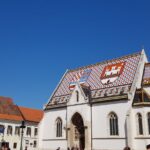
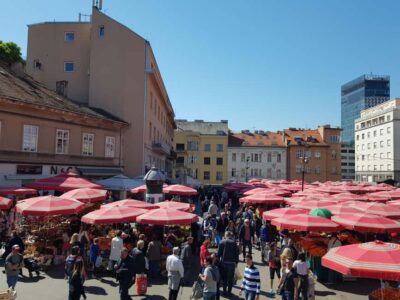
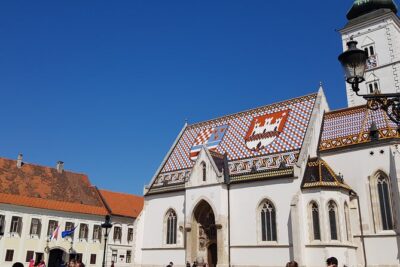
More walks through the Upper Town, St Mark's roof and the Dolac stalls below.


Meeting Point at Ilica 50 and How the Start Feels
You meet at Ilica 50, which is a straightforward location for getting going. From there, you head into the Upper Town route that sets the tone for the rest of the walk—part sightseeing, part orientation, part “wait, Zagreb does what?” moments.
Small group size matters here. With a limit of 10 participants, you’re more likely to get your questions answered without feeling like you’re competing for attention. That’s also helpful for the photo stops, since your guide can point you to better angles without rushing the group.
Grič Tunnel to the Shortest Funicular: Fast Orientation With a Twist
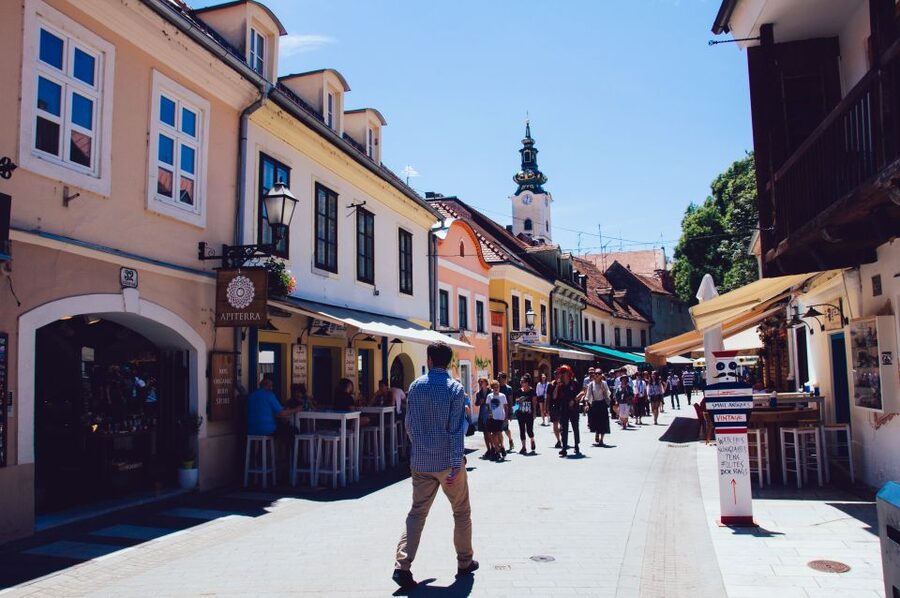
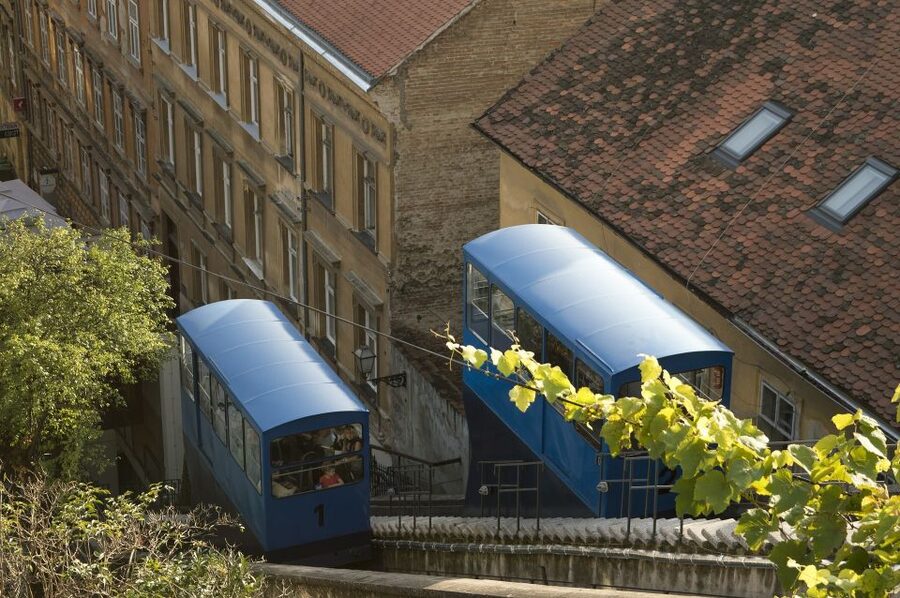
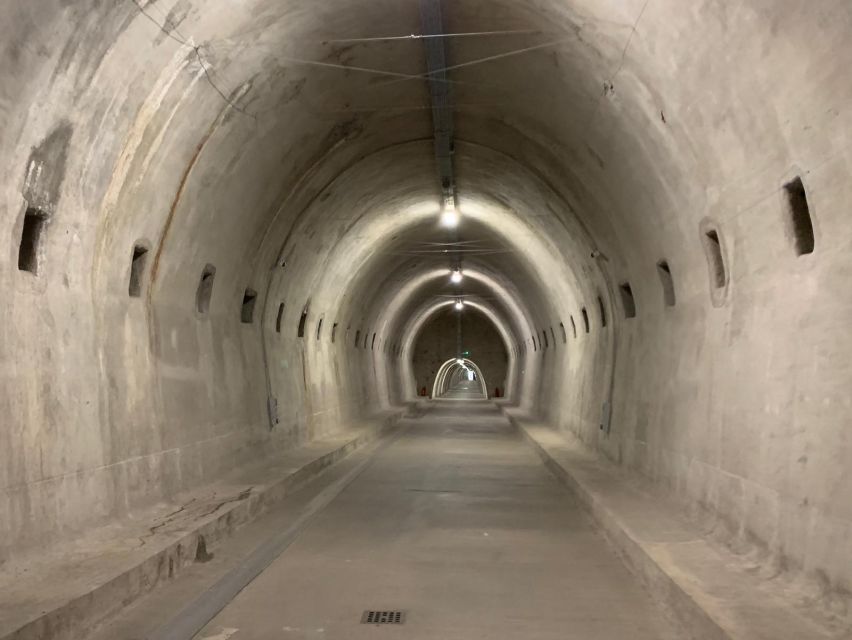
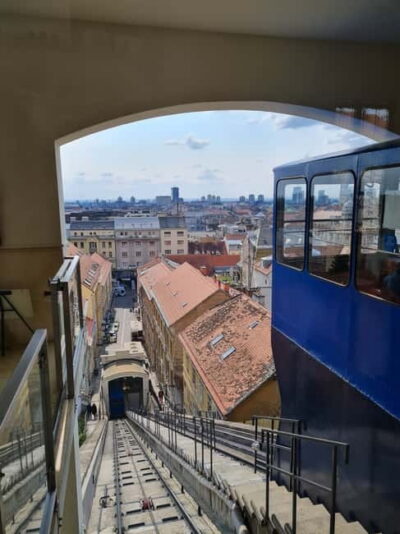
Right away, you pass through the Grič tunnel, which leads you toward the shortest funicular in the world. It’s the kind of moment that makes you realize a walking tour doesn’t have to be only feet-on-stone. This is Zagreb showing you how it connects steep terrain with clever solutions, and it’s a great early win because it breaks the ice.
What you’ll get from this segment is more than the fact itself. Your guide uses the route to explain the relationship between the Lower Town and the Upper Town—why people built where they built, and how modern movement fits into that older shape of the city. If you want to understand Zagreb in one evening, this is a solid place to start.
Main Square Stop: Quick History Without the Museum Vibe
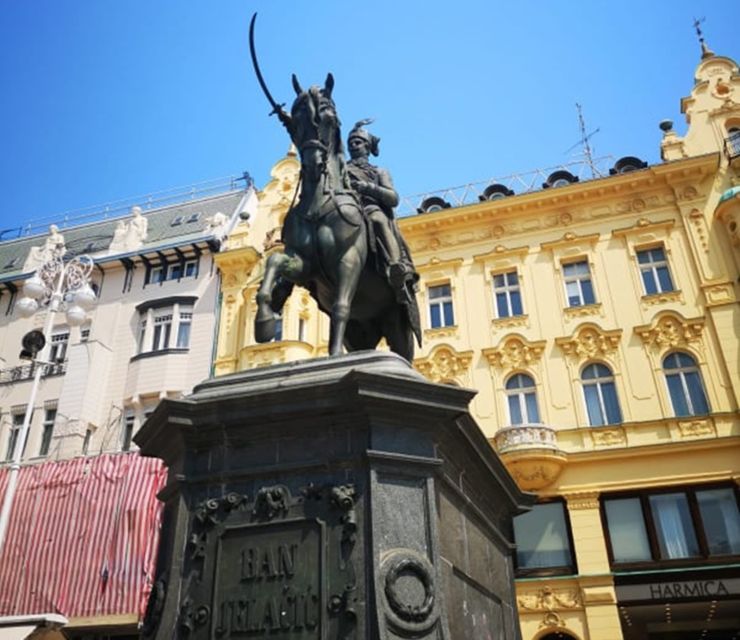
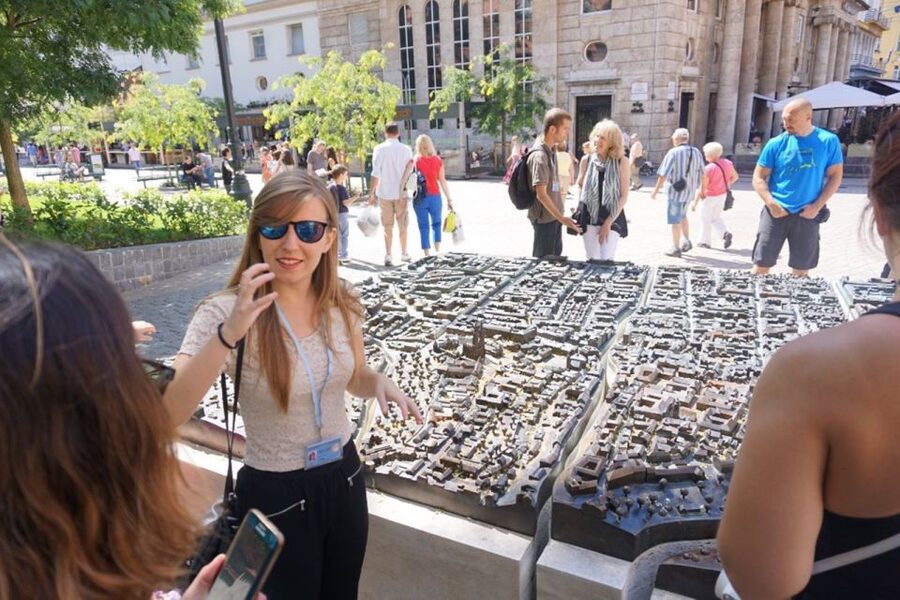
After the early tunnel/funicular sequence, there’s a brief stop at the main square. This isn’t a long lecture. It’s more like a guide giving you a mental map: the timeline, the key players, and the moments that shaped what you’re seeing now.
If you’ve ever felt lost in a city because you’re standing in front of something huge with no thread tying it together, this stop helps fix that. You learn what to notice as you keep walking—architectural style, civic power, and how the square functions as a city-stage rather than just a pretty meeting point.
Zagreb Cathedral: Sacred Space With Clear Context
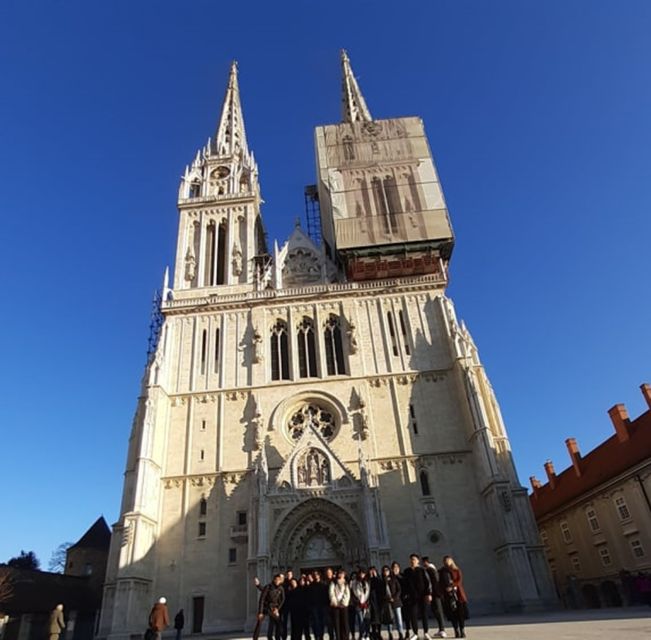
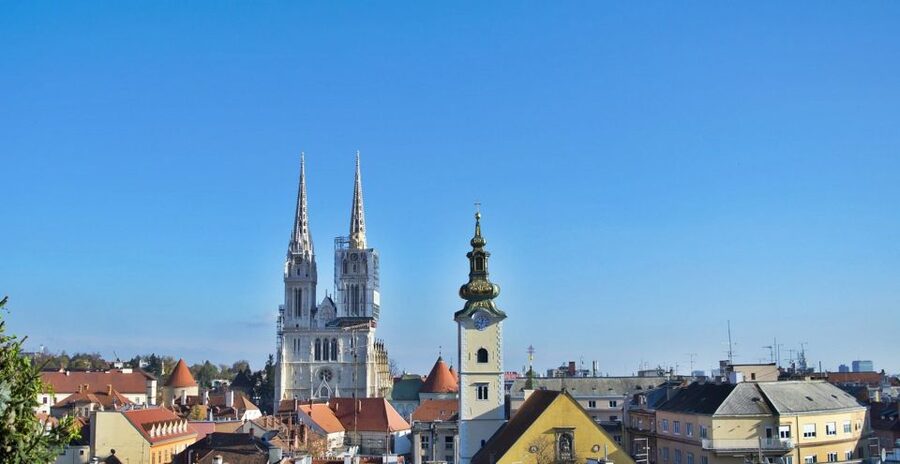
Next up is Zagreb Cathedral, the biggest Croatian sacred building and a major monument of cultural heritage. This stop is one of the most valuable parts of the tour because it ties together faith, art, and city identity in a way that’s easy to follow while you’re standing right there.
Practical note: before you go in, plan to cover sleeves and knees. It’s a small effort that avoids awkward trouble at the door. Also wear comfortable shoes; the steps and uneven spots around older religious sites can be more noticeable than you’d expect.
What makes the cathedral stop work is the storytelling tone. Instead of only describing the building, your guide connects it to what the cathedral meant in different eras, and how it still shapes what Zagreb feels like today.
Old Walls, the Upper Town Market, and Kumica’s Role
Then you move into a very different vibe: the Upper Town area near an oldest open market, built on the site of demolished old walls. That detail alone tells you a lot about Zagreb’s priorities over time—defense and walls first, then openness and daily trade once the city shifted.
Your guide also explains Kumica, a tradition tied to local identity and community ritual. This is the kind of cultural thread that’s hard to find on your own unless you already know what to search for. Here, you’ll get the meaning and the context while you’re standing near the places where the tradition shows in real life.
This segment is also a good moment to ask questions. Want to know where locals actually eat? Curious about what to shop for? The guide is there to steer you, and you’ll get more value out of the tour if you use that chance.
Stone Gate and the Unusual Stories Under the City
One of Zagreb’s most recognizable symbols in this walk is the Stone Gate—a preserved monument from old Zagreb that helps you read the city’s older defensive layout. It’s not just a pretty archway. It’s a physical reminder of how the city once guarded itself and how those boundaries shaped movement.
The highlight here is the way the tour treats the gate like a doorway into deeper stories. Your guide shares unusual tales that lie beneath these old walls, which gives the whole area a more eerie, human feel. It’s history with atmosphere, not just facts.
If you like cities where the old walls affect the layout even now, you’ll appreciate this stop. It makes the streets make sense. You start noticing sight lines, narrow lanes, and why certain paths funnel people the way they do.
St. Marko Square and Church: Kings, Rebellions, and Street-Level Meaning
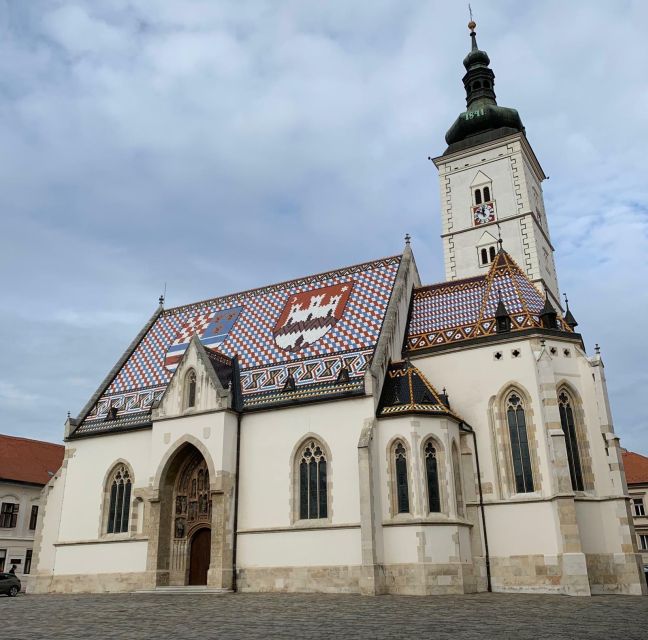
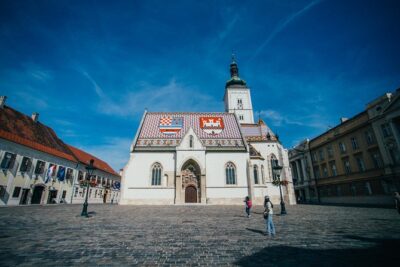
Next comes St. Marko Square and church, where you’ll hear stories involving influential kings and peasant rebellions. This is where the tour keeps you from treating Zagreb as only pretty buildings. You learn that power struggles and social tensions helped shape what stands in front of you.
A square like this is also a great place to pause and just look around after the explanation. You can see the church, feel the open public space, and connect the narrative to the geography. It’s an easy way to remember what you learned without overloading your brain.
Lotrščak Tower and the Daily Cannon: Why That Moment Is Always Worth It
After St. Marko, you reach the Lotrščak tower. This is where you learn why a canon shoots every day—a daily ritual that turns history into an actual schedule you can experience.
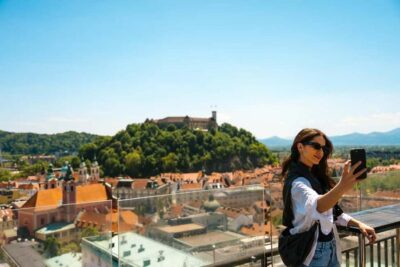
If you’re a photo person, this is one of the best sections of the tour. Your guide will show you the best viewpoint in the city, which makes the final stretch feel like a payoff. Even if you’re not chasing dramatic views, the overlook helps you understand Zagreb’s shape: the hills, the Upper Town positioning, and the way the city spills downward.
Timing matters. The cannon is daily, but your exact moment may depend on the day and the tour’s pacing. Still, the viewpoint portion is built into the tour so you won’t feel like you missed the point.
Local Product Tasting: Small, Worthwhile, and Not a Distraction
Included in the tour is a local product tasting. This isn’t a huge food tour detour. It’s a quick taste that adds context to what you’re hearing about traditions and everyday culture.
One practical tip: since food and drinks aren’t included, treat the tasting as a bonus, not a meal. If you’re hungry, plan a proper lunch or snack after the tour. You’ll get much better recommendations from your guide at the end if you’ve gone into the walk with a sense of what you like—coffee, sweets, hearty bites, or something lighter.
Pace, Comfort, and What to Wear
This tour is 3 hours and it’s designed as a guided walk with several stops. That means you’ll be on your feet for most of it. Bring comfortable shoes and expect some cobblestones and uneven terrain.
Sacred places bring another practical point: cover sleeves and knees. Croatia can be relaxed about many things, but religious sites usually have clear expectations. If you show up with short sleeves and bare knees, you might need to improvise or skip entry.
Also, this tour is not recommended for people with limited mobility, and it’s not suitable for mobility impairments. If that applies to you, it’s worth looking for a different format (vehicle-assisted or shorter stop-by-stop visits).
Price and Value: Is $84 Good for What You Get?
At $84 per group up to 2, this isn’t a cheap “wandering with a map” kind of tour. But it also isn’t trying to price you out of a quality local guide experience. For a 3-hour walk with a licensed guide, multiple major sights, and a local product tasting, the value can be strong—especially if you’re traveling with one person.
The real value is less about ticking off landmarks and more about how your guide connects them. You’ll leave with names, stories, and practical suggestions for what to do next. That saves time and prevents the common mistake of spending your limited days wandering without direction.
And because the group is limited to 10 participants, you’re less likely to feel like you’re part of a packed line moving through city highlights. That matters more than people think when the tour includes photo stops and Q&A.
What I’d Do Differently on Your Zagreb Second Day
If you want to make this tour pay off, I’d take two actions right after: ask for a food target and a shopping target before you end the walk. The tour is built to give you suggestions on where to eat and where to shop, and you’re most likely to get tailored advice while your guide still has your questions in motion.
Second, I’d plan one follow-up walk on your own through the areas you saw with new context. After hearing about the market on old wall sites or the stories beneath the Stone Gate, the streets start to feel like a narrative. You’ll notice patterns that you would’ve missed otherwise.
Who This Tour Suits Best
This tour is a great fit if you want:
- a compact intro to Zagreb’s Upper Town
- stories that connect major sites to daily life traditions
- an English-speaking guide who can answer questions without rushing
It’s especially good for first-time visitors who feel overwhelmed by Zagreb’s hill layout. Starting with the tunnel and funicular sets you up for everything that follows.
It may not suit you if you need minimal walking, have mobility limitations, or prefer a low-stimulation pace with longer indoor stops.
Should You Book Best of Zagreb Walking Tour?
I think you should book this tour if your priority is learning how Zagreb works—culturally and historically—without turning your day into a checklist. The combination of cathedral context, the market-and-tradition segment around Kumica, and the dramatic daily ritual feel at Lotrščak gives you a tour that’s both informative and memorable.
If you do book, come prepared with comfortable shoes and the right clothing for sacred stops. And don’t be shy about questions; the tour is built for that back-and-forth, and your guide’s strength is turning what you see into something you can repeat later.
FAQ
How long is the Best of Zagreb Walking Tour?
It lasts 3 hours.
Where is the meeting point?
The meeting point address is Ilica 50.
What is included in the tour price?
It includes a professional licensed local guide, visits to the main highlights, and a local product tasting. It also states skip the ticket line is included.
What’s not included?
Food and drinks are not included.
Is the tour offered in English?
Yes, the live tour guide is in English.
Is it suitable for people with mobility impairments?
It’s not recommended for people with limited mobility and it’s not suitable for people with mobility impairments.
If you tell me your travel dates and whether you’re comfortable with uphill cobblestones, I can suggest the best way to pair this with your next Zagreb stop.
More Tours in Zagreb



More Tour Reviews in Zagreb

More Upper & Old Town Walks
Not quite it? More Zagreb tours and day trips
- Jump into Zagreb: Walking Tour with local guide
★ 4.8 · 3 reviews - Zagreb : Highlights Walking Tour With A Guide
★ 4.7 · 3 reviews - Zagreb Food Tour: Bite into Traditional Dishes and Flavors
★ 5.0 · 3 reviews - Zagreb to Split private transfer with National park Plitvice lakes guided tour
★ 5.0 · 3 reviews - Plitvice Lakes and Rastoke Private Day Tour from Zagreb
★ 5.0 · 3 reviews - Plitvice Lakes Private Guided Tour from Zagreb with Transfer to Split
★ 5.0 · 3 reviews - Private transfer from Zagreb to Zadar with Plitvice Lakes private tour
★ 5.0 · 3 reviews - Plitvice Lakes Hidden Gems from Zagreb
★ 5.0 · 3 reviews
Zagreb Old & Upper Town Walking Tours, compared.
 ★ 5.0Best of Zagreb with the WW2 TunnelsFrom $23973 reviews
 ★ 4.9Small Group Walking Tour City Center and WW2 TunnelsFrom $23895 reviews
 ★ 4.9City and WWII Tunnels Walking TourFrom $23845 reviews
 ★ 5.0Walking tour of ZagrebFrom $24383 reviews
 ★ 5.0Zagreb Small Group Guided Walking Tour with WW2 TunnelsFrom $24380 reviews
 ★ 5.0Old Zagreb Private TourFrom $90350 reviews
 ★ 5.0Zagreb Highlights Bike TourFrom $49208 reviews
 ★ 5.0Restaurants, Food & Old Town Walking TourFrom $107191 reviews
Browse the lists this tour appears in