
Reviewed · ZAGREB OLD & UPPER TOWN WALKING TOURS
Eclectic Private Walking Tour in Zagreb
Zagreb feels clearer after this walk. This private circuit strings together major landmarks, street corners, and viewpoints with history explained in plain language—plus a funicular ride to jump you straight into the Upper Town. You’ll see the Cathedral of Zagreb, Dolac market, and the Stone Gates, with quick stops timed so you don’t feel dragged.
I especially like two things: the guide-led storytelling with historic photos (often shown on an iPad at key spots), and the fact that the funicular ticket is included. One drawback to plan for: the walking portion moves at a steady pace, and the Gric Tunnel stop can be closed occasionally because of events.
In This Review
- Key highlights to look forward to
- Starting at Zrinjevac: the easiest way to make sense of Zagreb
- Zrinjevac and Jelacic Square: big stories in small spaces
- Cathedral of Zagreb and the key moments of the Lower Town
- Petrica Kerempuh to Tkalciceva Street: Zagreb’s personality on foot
- Bloody Bridge and Gric Tunnel: names you’ll remember
- The funicular ride to Gornji Grad: quick altitude, big payoff
- Gornji Grad in 60 minutes: towers, promenades, rooftops, and a museum
- Petrini Pyli (Stone Gates): the medieval shortcut back to the main action
- What makes the guide-led experience work (and why it feels personal)
- Price and value: what you’re really paying for
- Who should book this private Zagreb walking tour
- Should you book this tour?
- FAQ
- How long is the Zagreb private walking tour?
- What’s included in the tour price?
- Where does the tour start and end?
- What are the main stops during the walk?
- Is the Dolac market stop always available?
- Can I cancel and get a full refund?
Key highlights to look forward to
- Private, licensed guiding with room for questions and tailored pacing
- Historic photo storytelling shown right at the landmarks, not just in theory
- Funicular ride included to reach the Upper Town fast
- Landmark checklist: Cathedral, Dolac, Bloody Bridge, Lotrščak Watchtower, St. Mark’s area
- WW2 reminder stop at Gric Tunnel (with a chance it won’t be accessible)
- Market timing note: Dolac is open until 2pm, so timing matters
Starting at Zrinjevac: the easiest way to make sense of Zagreb
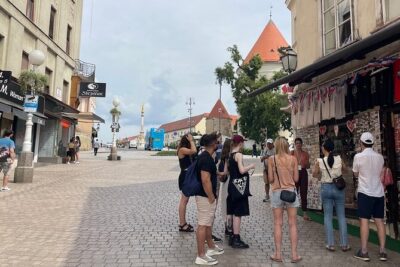
Most first-day Zagreb visits feel like a blur of churches, squares, and hills. This tour is designed to prevent that. You meet at Zrinjevac 2, by the meteorological station, which is a smart starting point because it puts you on a central axis before you climb into the maze of the Upper Town.
If your hotel is in the list of selected pick-up locations, you may get hotel pickup and drop-off. Either way, the pickup walks you on foot to the start, which helps you avoid the awkward part of sightseeing when you’re not sure where to stand.
Why this matters for your day: starting in the right neighborhood means you’re not spending your limited vacation time figuring out directions. You get an early “map in your head” of how Zagreb’s Lower Town and Upper Town relate.
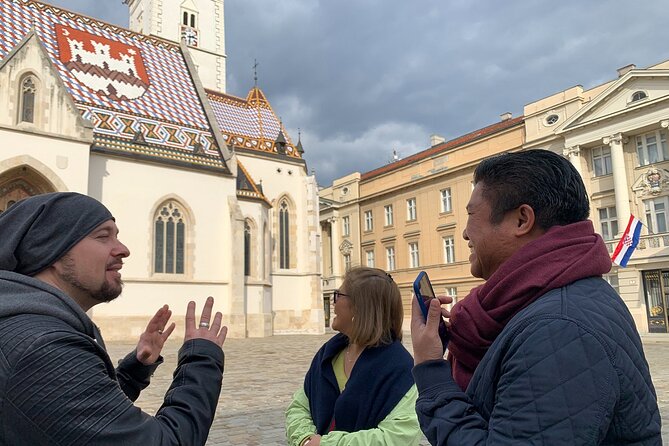
More walks through the Upper Town, St Mark's roof and the Dolac stalls below.


Zrinjevac and Jelacic Square: big stories in small spaces
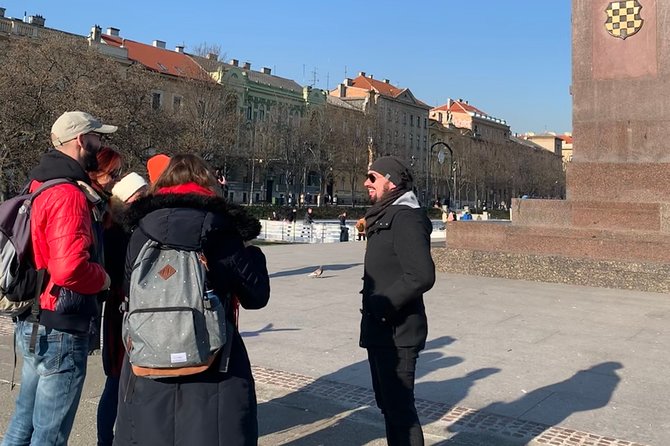
Your first stop is Zrinjevac, where the guide sets the tone and explains what you’re looking at and why it matters. You’ll get an overview of local history and the surrounding area, which is useful because Zagreb’s architecture and street names can feel cryptic if you don’t have a few anchors.
Then you move to Ban Josip Jelacic Square, the city’s main square. In about 20 minutes, you’ll learn what’s behind the place—how it functioned, who shaped it, and how the square fits into the city’s story. Even if you’re not a “square person,” this stop gives you context you’ll use later when you see government buildings, church rooftops, and the Upper Town viewpoints.
A practical note: these early stops are short by design. If you love lingering, you can always come back later, but the tour’s job is to help you understand what you’re seeing right now.
Cathedral of Zagreb and the key moments of the Lower Town
The pace shifts at Cathedral of Zagreb. This is one of those buildings where you can stand there, stare up, and still not understand what you’re looking at—unless someone explains the layers. The guide highlights how the cathedral is a unique sacral building made of multiple architectural styles, so it stops being just “a pretty church” and becomes a visible timeline.
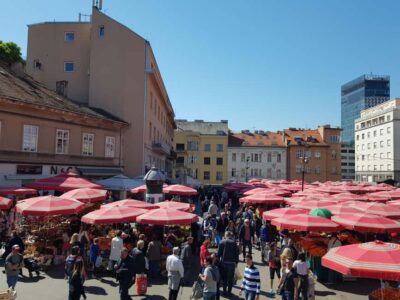
From there, you head to Dolac Market. This is the best kind of stop: it’s not just sightseeing, it’s a quick sensory reset. You’ll see the market layout and local produce, and you’ll be able to picture how people shop and eat day to day.
One thing I’d plan around: Dolac is open until 2pm. If you’re taking this tour later in the day, you might get a shorter market experience. If you can choose, try to keep some flexibility so you’re there while the market is still fully active.
More private tours, just your own group and a local guide.

Petrica Kerempuh to Tkalciceva Street: Zagreb’s personality on foot

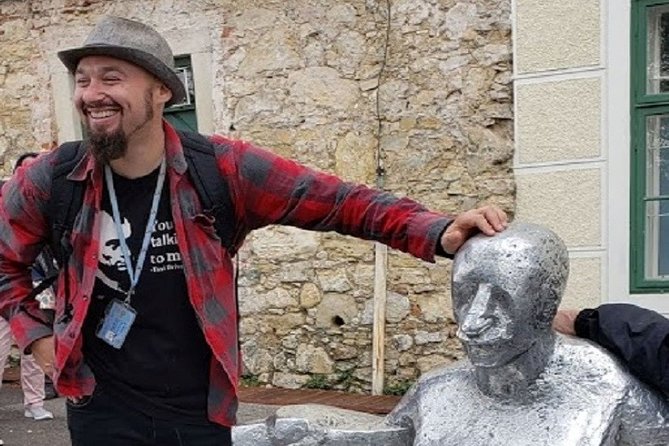
Next comes the Statue of Petrica Kerempuh, tied to Opatovina, a lively hangout area. The name and the local folklore behind Kerempuh can be easy to miss if you just pass by, so this is the stop where the guide’s storytelling does real work—turning a statue into a cultural reference point.
Then you’ll walk to Tkalciceva Street, another quick but telling stop. You’ll learn about local habits here—how people move through the street, how the vibe changes, and what you can expect if you return on your own later.
A good way to use these short cultural stops: treat them like “taste tests.” In three hours you can’t absorb everything, but you can decide what you want to repeat later: markets, promenades, viewpoints, or just long, slow street wandering.
Bloody Bridge and Gric Tunnel: names you’ll remember
Zagreb has places with names that sound like a story. Krvavi Most (Bloody Bridge) is one of them. You’ll pause briefly and learn how it got its name, which makes the bridge feel less like a random photo spot and more like a moment with a backstory.
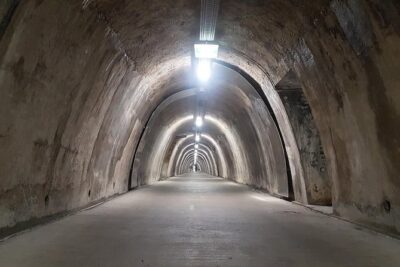
Then you’ll head to Tunel Gric (Gric Tunnel), a legacy of WW2. This stop is short and practical: it’s there to add weight to the city’s history beyond dates and buildings. The tunnel can be closed occasionally due to events, so treat it like a bonus if access is available.
If the tunnel is closed during your visit, don’t panic. The tour still covers plenty of core landmarks. But if this stop is a must for your interests, you might want to keep your schedule flexible and avoid stacking too many rigid plans right after the tour.
The funicular ride to Gornji Grad: quick altitude, big payoff
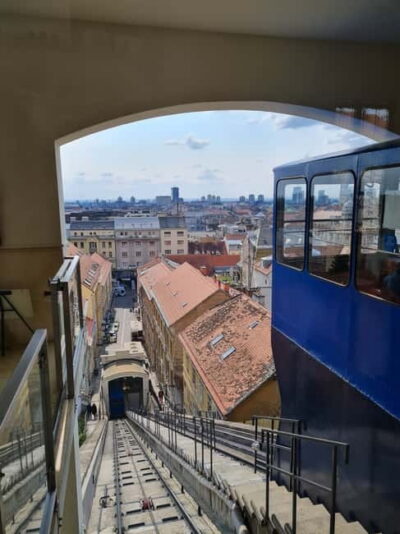
This is the fun part that also serves a purpose: the funicular railway. You’ll take the ride to reach the historical Upper Town (Gornji Grad). The tour includes the ticket, so you won’t have to hunt for payment or worry about timing.
It’s also a classic Zagreb experience because it’s the world’s shortest funicular. More importantly for you: it saves time and energy. Instead of spending your sightseeing energy on steep walking, you use it on the places you actually came for—the viewpoints, towers, squares, and churches.
Gornji Grad in 60 minutes: towers, promenades, rooftops, and a museum
Once you’re in Gornji Grad, the tour turns into a skyline tour. In about an hour, you’ll hit a cluster of Upper Town highlights that show Zagreb’s layers from medieval defenses to modern institutions.
You start with the Lotrščak Watchtower area. This is a place where the guide explains how Zagreb’s medieval layout worked and what the tower represents. One stop here can pay off for your photos too, because the views give you a sense of the city’s spread.
Next is the Strossmayer promenade, where the tone changes to “slow walking and looking.” You’ll take in panoramic views that stretch toward the south bank of the Sava river. Even in a short time window, this kind of viewpoint helps your brain lock in Zagreb’s geography.
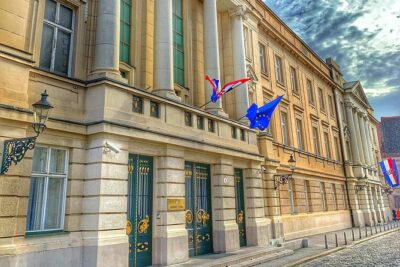
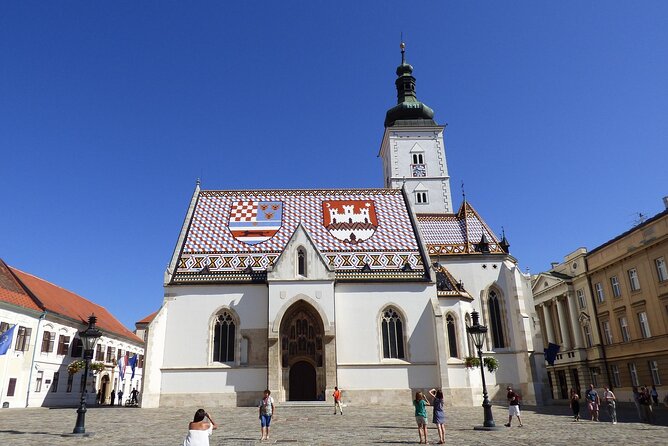
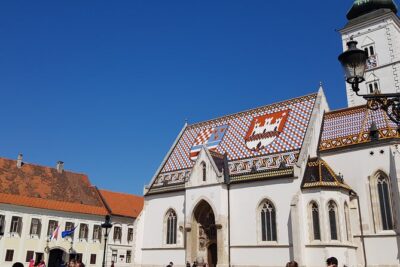
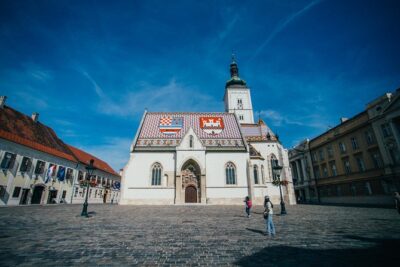
Then you’ll connect the dots around St. Mark’s Church rooftops. You’ll see the distinctive roofline and learn about the area as the seat of the Parliament and Government, which gives the view political and historical meaning—not just decoration.
The guide also points you toward museums, including the Museum of Broken Relationships. If you like slightly unusual, modern takes on emotion and history, this is a strong lead. Even if you skip museums on the same day, knowing what’s in the area helps you plan better for later.
Petrini Pyli (Stone Gates): the medieval shortcut back to the main action
As the walk winds down, you stop by Petrini Pyli, the Stone Gates—the only medieval gates that remain. The guide explains the history and some of the “secret” context behind them, then you pass through and continue back toward the main square area.
This is a satisfying ending because it creates a strong visual before you leave the Upper Town. You get a clear sense of how the city used to be enclosed and controlled, and then you transition back toward the center.
Where does the tour end? This activity can end back at the meeting point in the city center. If you’re not staying in the exact center, the guide may accompany you back to your accommodation.
What makes the guide-led experience work (and why it feels personal)
A tour can list landmarks all day. What makes this one click is how the guide explains them.
In particular, I like the use of historic photos at the sites. You’ll be shown images—often via an iPad—so you can compare how the same place looks today versus earlier decades and eras. That visual jump is especially useful for architecture like the cathedral, and it makes street-level history easier to remember.
I also like the way Karlo (from Bespoke Croatia, in the examples you’ll likely experience) tends to balance facts with human context. Some tours include personal perspective on Croatia’s more painful moments, like the impacts of war and earthquakes, shared in a way that stays clear and not overwhelming. The result is that the tour feels like someone is telling you what to notice, not reading you a lecture.
On top of that, the guide typically gives practical help after the tour—restaurant and city-walk ideas. In one account, help went beyond advice, including support when luggage and clothes were an issue. You shouldn’t book a tour expecting troubleshooting like that, but it’s a sign the guide cares about more than just checking stops off a list.
Price and value: what you’re really paying for
At $66.37 per person for about 3 hours, this sits in the “serious intro to a city” category. You’re not paying for a basic group bus-and-browse setup. You’re paying for:
- A private experience for your group only
- A licensed local guide who explains history in context
- Funicular tickets included, which matters because it’s a core part of reaching the Upper Town
- Short stops at major landmarks that work well for a first visit
- Optional-added value from the guide’s recommendations and pacing adjustments
Also consider the timing. This tour is often booked about 71 days in advance on average. If you’re traveling in a peak season or have a tight schedule, booking earlier helps you lock in a guide and a time that won’t clash with market hours or museum opening times you care about.
If you’re on a tight budget and already know exactly what you want to see, you might do the same sights on your own. But if your goal is to get your bearings fast and understand what you’re looking at, the guide + included funicular make this a fair deal.
Who should book this private Zagreb walking tour
This is a strong fit if you:
- Want a first-pass Zagreb plan without doing hours of research
- Like your history with stories and visual context
- Prefer a route that covers the key Upper Town without burning energy on steep climbs
- Travel with family members or a mixed-interest group where you need pacing flexibility
- Appreciate practical recommendations for food and how to navigate the city afterward
It may be less ideal if you:
- Want long sits in museums or churches (this tour keeps stops short)
- Hate walking steadily for the full circuit
- Are hoping for guaranteed access to Gric Tunnel (it can close because of events)
Should you book this tour?
I’d book this tour if you want Zagreb to feel understandable by day one. The route hits the big landmarks without wasting your time, and the included funicular ride plus the photo-based storytelling make the experience memorable, not just scenic.
Book it especially if you’re the type who likes to return to places later with better context. After this walk, you’ll know which sights deserve a second visit—and you’ll have a better sense of where to wander next on your own.
FAQ
How long is the Zagreb private walking tour?
It runs for about 3 hours.
What’s included in the tour price?
You get a walking tour with a licensed local guide and a ticket for the funicular ride. Hotel pickup and drop-off may also be included for selected hotels.
Where does the tour start and end?
The tour starts at Zrinjevac 2, 10000, Zagreb. It ends back at the meeting point, though your guide can accompany you back to your accommodation if you want to stay outside the immediate city center.
What are the main stops during the walk?
You’ll pass through areas including Zrinjevac, Ban Josip Jelacic Square, Cathedral of Zagreb, Dolac Market, Tkalciceva Street, Bloody Bridge, Gric Tunnel, the funicular railway, Gornji Grad (Upper Town), and Petrini Pyli (Stone Gates).
Is the Dolac market stop always available?
Dolac Market is noted as open until 2pm, so timing may affect how much of the market you see.
Can I cancel and get a full refund?
Yes. Free cancellation is available if you cancel up to 24 hours in advance for a full refund.
More Tours in Zagreb


More Tour Reviews in Zagreb
More Upper & Old Town Walks
Not quite it? More Zagreb tours and day trips
- Jump into Zagreb: Walking Tour with local guide
★ 4.8 · 3 reviews - Zagreb : Highlights Walking Tour With A Guide
★ 4.7 · 3 reviews - Zagreb Food Tour: Bite into Traditional Dishes and Flavors
★ 5.0 · 3 reviews - Zagreb to Split private transfer with National park Plitvice lakes guided tour
★ 5.0 · 3 reviews - Plitvice Lakes and Rastoke Private Day Tour from Zagreb
★ 5.0 · 3 reviews - Plitvice Lakes Private Guided Tour from Zagreb with Transfer to Split
★ 5.0 · 3 reviews - Private transfer from Zagreb to Zadar with Plitvice Lakes private tour
★ 5.0 · 3 reviews - Plitvice Lakes Hidden Gems from Zagreb
★ 5.0 · 3 reviews
Zagreb Old & Upper Town Walking Tours, compared.
 ★ 5.0Best of Zagreb with the WW2 TunnelsFrom $23973 reviews
 ★ 4.9Small Group Walking Tour City Center and WW2 TunnelsFrom $23895 reviews
 ★ 4.9City and WWII Tunnels Walking TourFrom $23845 reviews
 ★ 5.0Walking tour of ZagrebFrom $24383 reviews
 ★ 5.0Zagreb Small Group Guided Walking Tour with WW2 TunnelsFrom $24380 reviews
 ★ 5.0Old Zagreb Private TourFrom $90350 reviews
 ★ 5.0Zagreb Highlights Bike TourFrom $49208 reviews
 ★ 5.0Restaurants, Food & Old Town Walking TourFrom $107191 reviews
Browse the lists this tour appears in