
Reviewed · ZAGREB OLD & UPPER TOWN WALKING TOURS
Exclusive old Zagreb walking tour
Zagreb looks different after dark. This old Zagreb walk, led by Domagoj Tours, strings together the city’s key squares and tells the story from Kaptol to Gradec at an easy evening pace. I like the way the guide keeps history clear, with just enough context to help you understand what you’re seeing.
Two things I really value: you get standout stops like Dolac and the viewpoints near Lotrščak, and you also come away with practical ideas for what to do next. The main trade-off is simple: it’s still a walking tour, so if you’re not keen on 90 minutes on foot, plan your energy and wear comfortable shoes.
In This Review
- Key highlights worth your time
- Where the tour fits (and why it works)
- Starting at King Tomislav Square: warm up with the right anchor
- Kaptol first: Zagreb Cathedral and the church backbone
- Dolac and Opatovina: market life that explains the city
- Gradec on Medvednica’s slope: why Zagreb has two hearts
- Kamenita Vrata and the walk into Old Town
- St Mark’s Square: monuments that finally make sense together
- Strossmayer and the Gradec lookout: where the city opens up
- Down by the funicular line to Ilica and the Zagreb Octogone
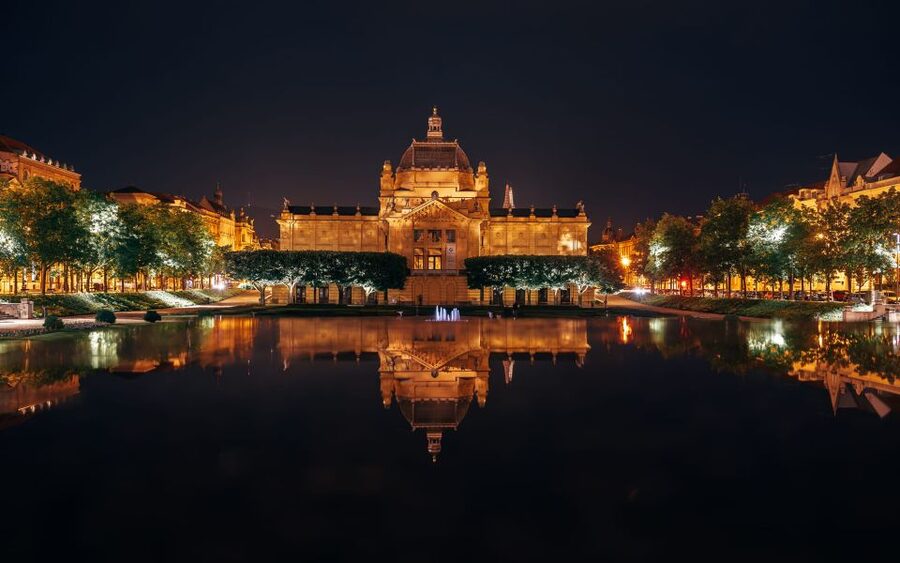
- Flower Square at night: the ending that feels like a real evening
- How much it costs, and why it’s good value
- Who this tour suits best
- Final call: should you book
- FAQ
- Where does the tour meet?
- How long is the walking tour?
- What is the price?
- Is the tour guided, and what language is it in?
- Which main sights are included in the route?
- Is it wheelchair accessible?
- Is free cancellation available?
Key highlights worth your time
- A tight 90-minute route that covers both sides of old Zagreb without feeling rushed
- Real night-photo angles near Strossmayer and the Lotrščak viewpoint
- Historic layers in one walk, from Kaptol to Gradec and Old Town
- Dolac open-air market and Opatovina as more than a quick photo stop
- St Mark’s Square landmarks grouped in a way that makes them easier to understand
- English guide with an engaging style, including history plus current-day context
Where the tour fits (and why it works)
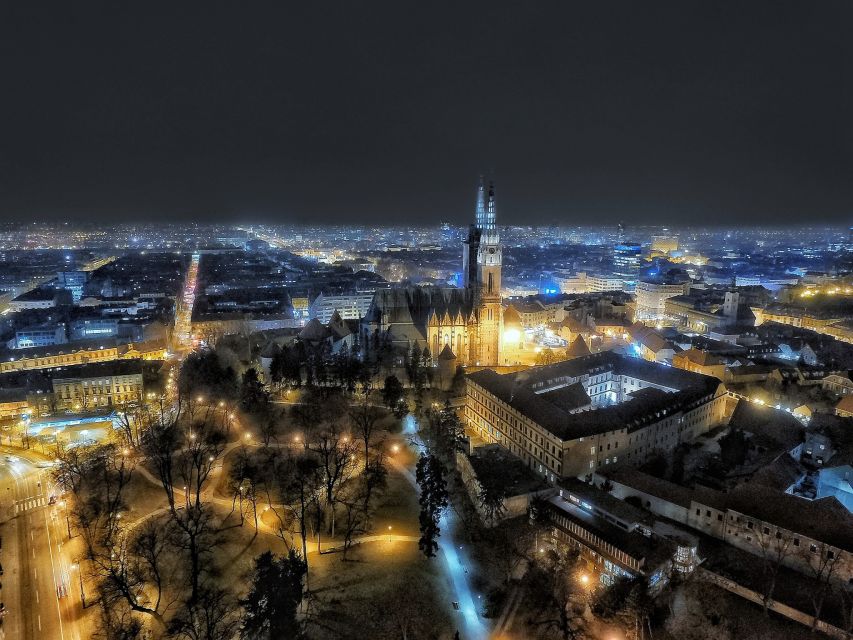
This is built for people who want a fast, human intro to Zagreb’s old core. You’re not just sightseeing statues and street names. You’re walking a route that matches how Zagreb developed: Kaptol and Gradec growing on opposite slopes, then tying back into the modern city center.
At 90 minutes, it’s a smart pick if Zagreb is one stop on a longer trip. You’ll leave with orientation you can use immediately the next day (or that same evening): which streets feel central, where the big sights cluster, and where to aim for views.
The vibe tends to be relaxed and personal. The walking pace matters here. It’s the kind of tour where the guide can answer your questions instead of racing the group from point to point.
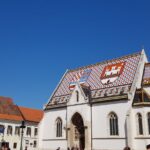
More walks through the Upper Town, St Mark's roof and the Dolac stalls below.


Starting at King Tomislav Square: warm up with the right anchor
The meet point is King Tomislav Square, in the evening. That matters because Zagreb’s center reads differently at night: street lighting makes façades easier to follow, and the mood feels more like the city rather than a museum.
From there, you head to Nikola Zrinjski Square and continue on to Ban Jelačić main square. These squares aren’t random stops. They help you build a mental map before you get deeper into old Zagreb. You can also use this early stretch to get comfortable with the rhythm of the walk and ask quick questions before things get more historic.
What I like about this start is that it sets up the rest of the itinerary. You’re not flung into medieval streets immediately; you’re eased into it.
Kaptol first: Zagreb Cathedral and the church backbone
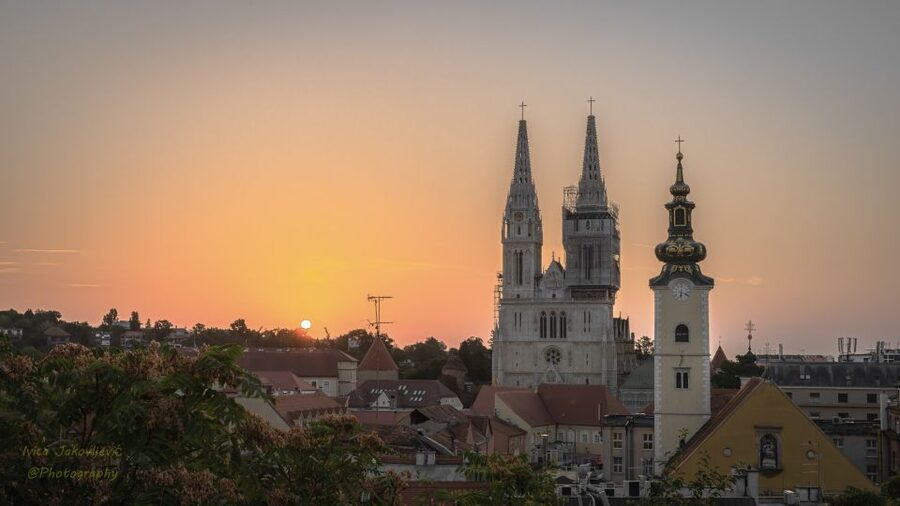
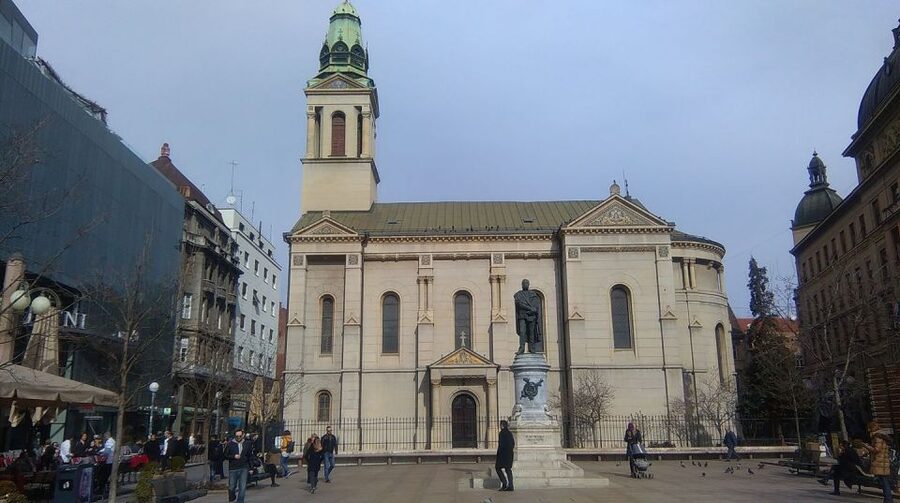
Next comes Zagreb Cathedral, followed by Kaptol, the older church-centered part of Zagreb tied to the Zagreb Archdiocese. This is where the guide’s storytelling really matters. Without the context, cathedrals can feel like just another impressive building. With it, you start seeing the big picture: why this area shaped power, culture, and identity in the city.
Kaptol is also a good “learning zone” for architecture. You can look at the details at street level and then step back mentally to understand the larger structure. Even if you don’t count yourself as an architecture fan, this stop is worth it because it gives you a reference point for the rest of old Zagreb.
A practical note: if you’re using a wheelchair, this tour is listed as wheelchair accessible, and a parent with a stroller found the route worked well. Still, in any historic center you’ll want to move carefully at curbs and tight corners.

Dolac and Opatovina: market life that explains the city
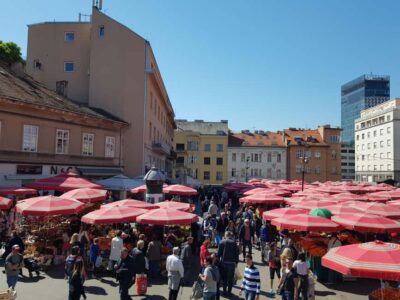
Then you reach Dolac, the open-air market, plus Opatovina. These stops are valuable because they connect history to everyday Zagreb. Cathedrals and towers tell you what mattered. Markets show you what people used daily.
Dolac is one of those places where you can look around and instantly feel the city’s pulse. If you’re the type who loves food, the guide’s suggestions can help you turn what you see into a next stop later—dining, transport options, and what to prioritize.
This is also where the tour earns its “old Zagreb” label. Markets, churches, and streets together tell a more complete story than any single landmark.
Gradec on Medvednica’s slope: why Zagreb has two hearts
After Kaptol, you move to Gradec, the older part of the city on the slope of Medvednica. The guide explains that today’s Zagreb grew from the relationship between Kaptol and Gradec—two areas developing with their own identity and strength.
This section tends to be satisfying because it answers a question you might not know to ask: why do the old parts feel layered and slightly different from each other? Gradec helps you understand how the city formed, and once you get that, you start spotting the logic in the streets and viewpoints.
If you like guided history that connects to what you’re walking past, this part is a highlight. It’s not just dates. It’s cause-and-effect you can see.
Kamenita Vrata and the walk into Old Town
Next you see Kamenita Vrata, described as one of the best-preserved monuments of old Zagreb, shaped like a rectangular tower. This gate/monument is a turning point on the route: it marks a shift from the broader “district story” into the tighter lanes of old Zagreb.
From here, you head deeper into Old Town Zagreb, where the city’s civic and cultural identity starts stacking up fast. You’ll pass City Council, Parliament, and also the Museum of Broken Relationships. That last one is a quirky, modern counterpoint to the medieval feel around it. It’s the kind of stop that makes the city feel lived-in, not frozen in time.
As you walk, you’ll likely feel the tour doing a smart job: grouping sights so you don’t just memorize names. You start to understand the pattern of where the important buildings sit and how they relate to nearby squares.
St Mark’s Square: monuments that finally make sense together
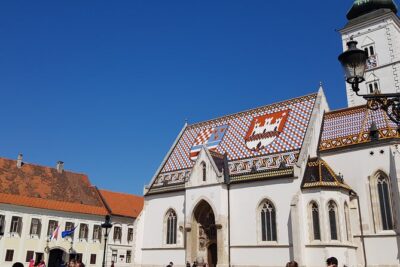
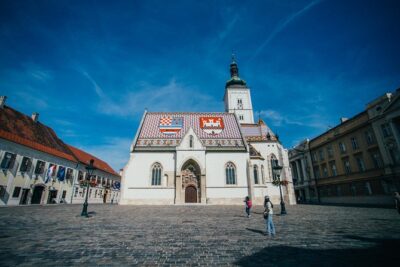
One of the best stop clusters on this route is St Mark’s Square. You’ll see notable churches and historical buildings grouped in a way that makes the scene easier to read.
St Mark’s Square often becomes a favorite because it’s visually strong and story-rich without being overwhelming. If you’ve ever visited a big square and thought, I know I should care, this kind of guided framing helps you care.
The guide also explains the context around what you’re seeing. That’s key, because these buildings can look similar from far away. Up close, they start telling different stories—religious power, civic pride, and the city’s shifting eras.
Strossmayer and the Gradec lookout: where the city opens up
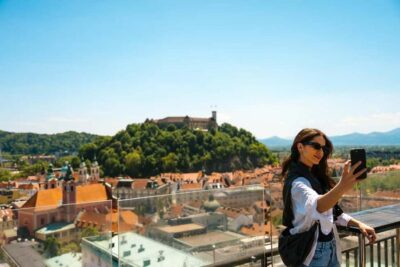
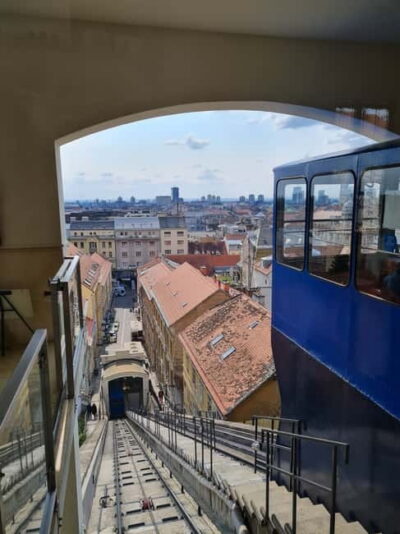
Then you move toward Lookout Gradec and continue via Strossmayer walk to the Zagreb viewpoint beneath the ancient Tower Lotrščak. This is where the tour becomes more than history. It turns into a night-photo moment.
The promise here is specific: you get a good chance to take photos of Zagreb at night. And beyond photos, this is a “breathing” section of the itinerary. When you look down over the roofs and streets you’ve just walked, the city map in your head clicks into place.
If you’re someone who likes viewpoints, don’t rush this stop. The photos will be better if you spend a minute letting your eyes adjust.
Down by the funicular line to Ilica and the Zagreb Octogone
After that, you follow the line of the Zagreb funicular and head along Ilica Street, which is described as the longest street in Zagreb. This part of the walk helps you shift from old core back toward everyday Zagreb.
You’ll also see the Zagreb Octogone, which acts like a marker for where the city’s energy feels more modern and street-level. The tour doesn’t stay stuck in old stone. It reconnects you to where people actually walk, shop, and meet.
If you want to use the tour as a springboard, this is where it helps. You’ll get a better sense of which direction to head next depending on whether you want museums, food, or nightlife.
Flower Square at night: the ending that feels like a real evening
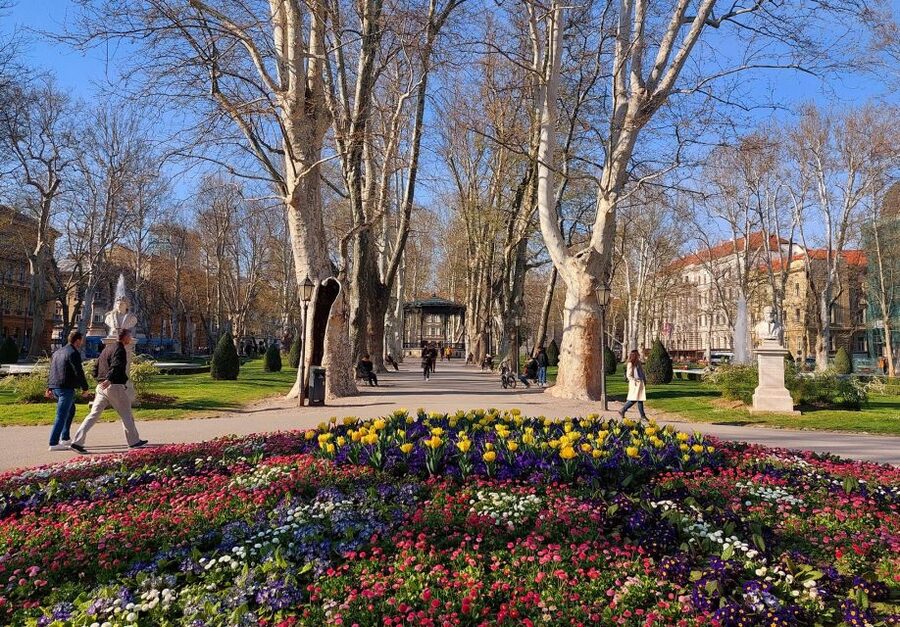
The walk finishes at Flower Square, where local youth hangs out at pubs during the night. That ending is useful because it doesn’t just stop at a landmark. It tells you where the social Zagreb energy lives.
This is a good time to ask your guide what to do next, especially if you want something specific like a quick drink, an easy place to eat, or a museum route. The guide style on this tour tends to be practical, not just storytelling.
Even if you’re not out for nightlife, Flower Square can still be a helpful last stop. It gives you a landmark you can locate later, and it keeps the tour from feeling like a straight line to nowhere.
How much it costs, and why it’s good value
The price is $35 per person for 90 minutes. For a walking tour that covers both major historic zones (Kaptol and Gradec), plus market time at Dolac and multiple landmark clusters, this is fair value.
You’re paying for more than the itinerary. You’re paying for:
- an English live guide who connects buildings to the bigger story of the city
- a route that hits several “you should see this” places without turning into a marathon
- practical tips on what to do next, including dining and transport ideas
If you’re the type who likes to understand a city quickly, this pricing makes sense. If you prefer independent wandering with no guiding, you might feel there are cheaper options. But if you want fast context and clear orientation, $35 is a reasonable ask for what you get.
Who this tour suits best
This tour fits best if you want:
- a compact way to see old Zagreb by night
- history explained in plain language with strong guide engagement
- a route that mixes big sights with city life at places like Dolac
It’s also a solid pick if you’re traveling with a child or moving slower. One parent reported the route worked well with a stroller, and the tour is listed as wheelchair accessible.
If you hate walking or you need a lot of breaks, plan carefully. The stops are close enough for a relaxed pace, but you still need comfort for 90 minutes on foot.
Final call: should you book
I’d book this tour if Zagreb is new to you and you want a clear first night with real context. It’s not just “look at this.” The route choices help you connect Kaptol and Gradec, then tie everything back into the modern center.
Skip it only if you already know Zagreb well and just want to roam. For first-timers, or anyone who wants night views plus history that actually connects, this is one of the easier ways to get your bearings fast and feel the city’s personality.
FAQ
Where does the tour meet?
The tour meets at King Tomislav Square in the evening hours.
How long is the walking tour?
It lasts 90 minutes.
What is the price?
The price is $35 per person.
Is the tour guided, and what language is it in?
Yes, it’s a live tour with an English-speaking guide.
Which main sights are included in the route?
You’ll visit or pass by places including Zagreb Cathedral, Kaptol, Dolac market, Gradec, Kamenita Vrata, St Mark’s Square, the Lotrščak viewpoint, Ilica Street, Zagreb Octogone, and end at Flower Square.
Is it wheelchair accessible?
Yes, the tour is listed as wheelchair accessible.
Is free cancellation available?
Yes. You can cancel up to 24 hours in advance for a full refund.
More Tours in Zagreb



More Tour Reviews in Zagreb

More Upper & Old Town Walks
Not quite it? More Zagreb tours and day trips
- Jump into Zagreb: Walking Tour with local guide
★ 4.8 · 3 reviews - Zagreb : Highlights Walking Tour With A Guide
★ 4.7 · 3 reviews - Zagreb Food Tour: Bite into Traditional Dishes and Flavors
★ 5.0 · 3 reviews - Zagreb to Split private transfer with National park Plitvice lakes guided tour
★ 5.0 · 3 reviews - Plitvice Lakes and Rastoke Private Day Tour from Zagreb
★ 5.0 · 3 reviews - Plitvice Lakes Private Guided Tour from Zagreb with Transfer to Split
★ 5.0 · 3 reviews - Private transfer from Zagreb to Zadar with Plitvice Lakes private tour
★ 5.0 · 3 reviews - Plitvice Lakes Hidden Gems from Zagreb
★ 5.0 · 3 reviews
Zagreb Old & Upper Town Walking Tours, compared.
 ★ 5.0Best of Zagreb with the WW2 TunnelsFrom $23973 reviews
 ★ 4.9Small Group Walking Tour City Center and WW2 TunnelsFrom $23895 reviews
 ★ 4.9City and WWII Tunnels Walking TourFrom $23845 reviews
 ★ 5.0Walking tour of ZagrebFrom $24383 reviews
 ★ 5.0Zagreb Small Group Guided Walking Tour with WW2 TunnelsFrom $24380 reviews
 ★ 5.0Old Zagreb Private TourFrom $90350 reviews
 ★ 5.0Zagreb Highlights Bike TourFrom $49208 reviews
 ★ 5.0Restaurants, Food & Old Town Walking TourFrom $107191 reviews
Browse the lists this tour appears in