
Reviewed · TRAKOšćAN CASTLE & VARAžDIN DAY TRIPS
Kumrovec: Croatian Ethno Village & Josip Broz Tito’s Birthplace
Tito’s childhood starts in a quiet village. This trip to Kumrovec pairs an open-air village museum with a clear look at Josip Broz Tito’s early life, from his birthplace setting to the sites around it. I especially liked how the visit connects everyday rural life to Tito’s story, and the way the day finishes with time for local food and wine.
The only real downside to plan for: this is mostly a walkable, outdoor place. If the weather is bad, you’ll still be spending a lot of time on foot, so wear shoes you can trust and bring layers.
In This Review
- Key highlights you shouldn’t miss
- Kumrovec: Tito’s birthplace in an open-air village museum
- Staro selo museum walk: from 1435 to the Tito era
- Houses and everyday crafts you can actually picture
- Inside Tito’s childhood school, home, and arboretum
- Food breaks and cafés inside the pedestrian village
- Price of $328.59: is it worth a half-day from Zagreb?
- Who should book Kumrovec, and who might prefer another day
- Should you book this Kumrovec and Tito tour?
- FAQ
- What time does the tour start?
- Is pickup offered from Zagreb?
- How long is the experience?
- Is admission to Staro selo museum included?
- Is the tour offered in English?
- Can I get a full refund if I cancel?
Key highlights you shouldn’t miss
- Staro selo museum for about 3 hours inside the Kumrovec open-air village
- A village founded in 1435, shown through 19th and early 20th century homes
- Tito-linked stops like his childhood elementary school, plus an arboretum where he hosted public figures
- That focus on details that feel human, including the original cradle and how often it was used
- Crafts you can spot as you walk: workshops and specialties like blacksmithing
- A pedestrian village layout, with cafés and snack options to recharge before you leave
Kumrovec: Tito’s birthplace in an open-air village museum
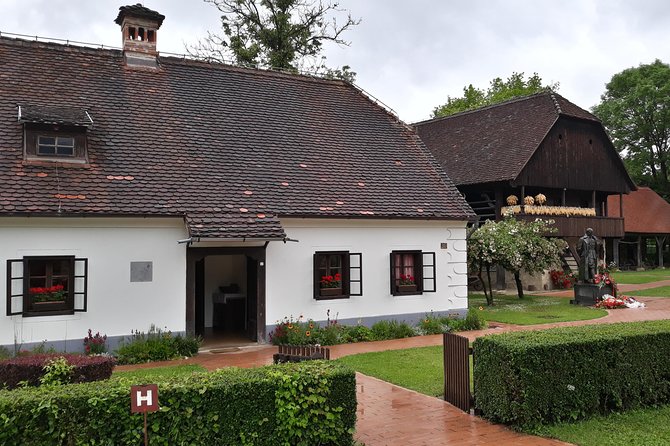
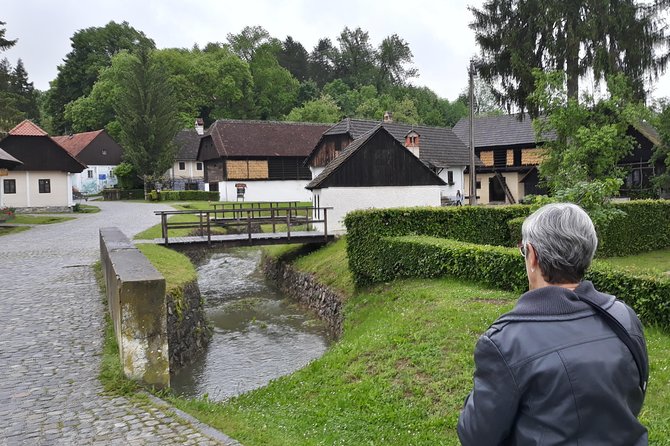
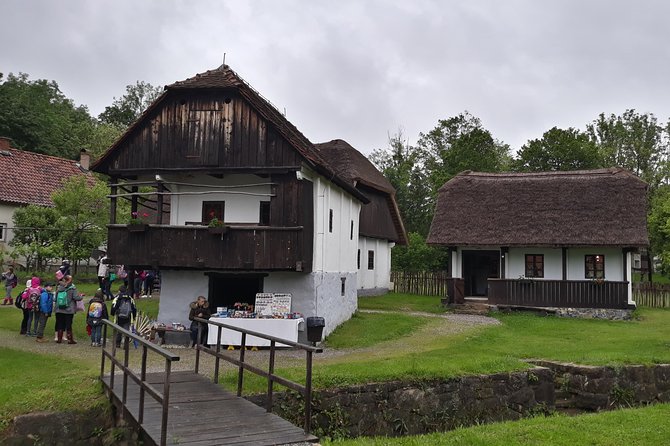
Kumrovec doesn’t do history in a stuffy way. Instead, it treats the past like something you can walk through. The Staro selo museum is an ethnographic, open-air setup built around historic homes (the local “hize”) from the 1800s into the early 1900s, all meant to show what rural life looked like in Croatia.
What makes this place interesting isn’t only the Tito connection. The village itself is the main character. You’ll learn Kumrovec’s long timeline, including its founding in 1435, and you’ll see how that story connects to Tito’s childhood world. Even if your knowledge of Yugoslav history is light, the approach helps you follow the logic: people lived here, worked here, and the museum uses the spaces to explain why it mattered.
I also like that the experience feels practical. You’re not stuck in a lecture hall. The visit includes time to enjoy local food and wine at the end, and there are cafés inside the village area where you can pause.
More of the Yugoslav years and the Homeland War, some of it from an old Yugo car.




Staro selo museum walk: from 1435 to the Tito era
Your day starts with a pickup in Zagreb, and the plan is built around a long, focused visit. You get about 3 hours at the Staro selo museum, which is the heart of the trip.
That chunk of time matters. It gives you room to actually look inside the houses, not just pass by. The museum presents a sequence of moments: early village roots, then the specific childhood landmarks tied to Josip Broz Tito, and finally the broader picture of his public life. The guided component helps you connect the dots, especially if you’re trying to understand what made the childhood environment significant rather than only famous.
Here’s one detail I found especially helpful for “getting it”: the village is described as being made up of buildings that stayed on their original sites. That means you’re not only watching a recreated set. You’re seeing a place that’s been maintained as a real village environment, with the homes and structures preserved and restored with care.
You’ll also notice the museum is hands-on in its storytelling. Tito-related rooms and objects aren’t just name labels. They’re presented as clues—what was made, what was used, what dignitaries gave, and what those items suggest about his life arc.
Houses and everyday crafts you can actually picture
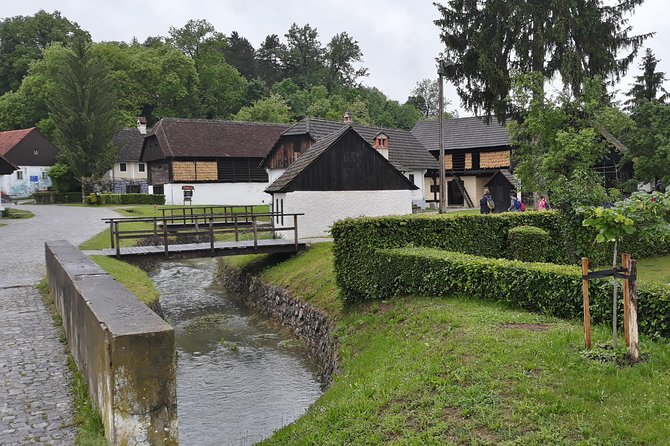
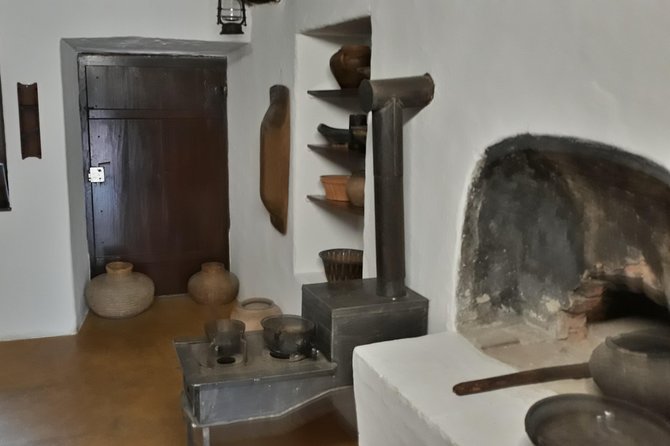
The best part of Kumrovec is how quickly it helps your brain build pictures. The museum homes are set up so you can walk from one type of space to another: living areas, craft-focused buildings, and exhibitions tucked into the house environment.
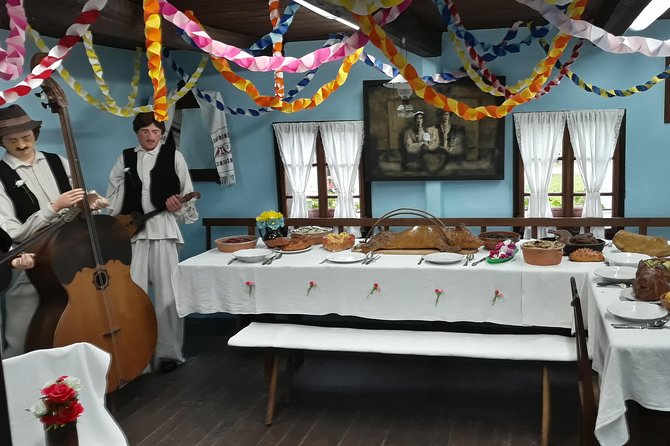
Several stops focus on crafts and trades. You’ll see specialties demonstrated in period-style spaces, including blacksmithing, along with other hands-on skills tied to rural work. This is where the trip often feels most satisfying, because the museum doesn’t treat history as distant. It shows daily labor—tools, trades, and the way life was organized.
A detail that adds weight to the experience is how the museum includes personal and emotional elements in Tito’s story. For example, one poignant display involves his cradle: it’s said to have been original, but it also shows scratches on the floor from being rocked often. That kind of small, physical detail is exactly the sort of thing that makes a famous person feel real.
You may also want to plan for a little shopping time. There’s a souvenir shop with items like Tito-themed t-shirts and magnets, but also traditional hand-made toys. If you like keeping your souvenirs tied to what you actually saw, this is one of those places where the purchases can feel connected to the craft side of the village.
More days up in Zagorje for Trakoscan castle and baroque Varazdin.
Inside Tito’s childhood school, home, and arboretum
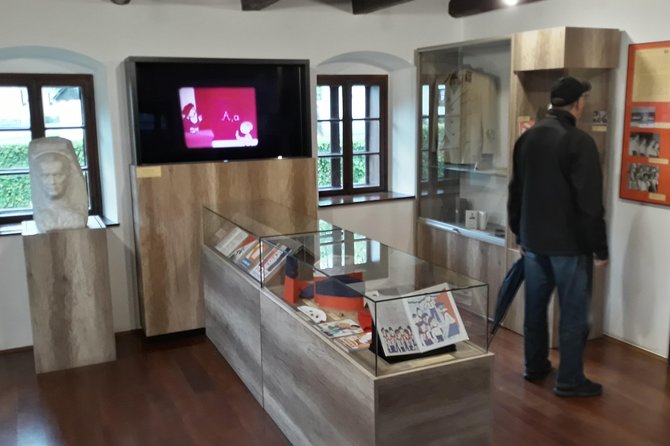
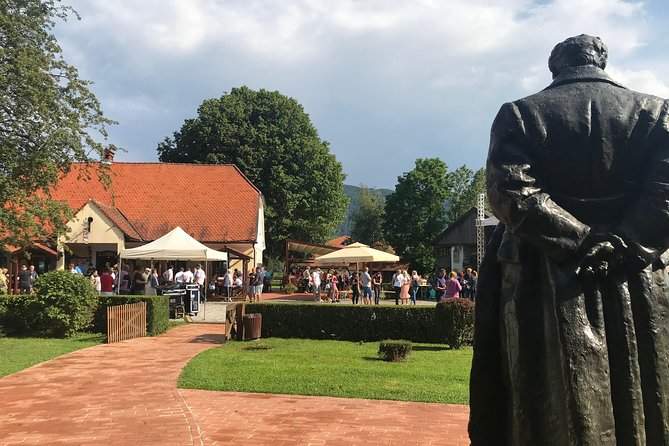
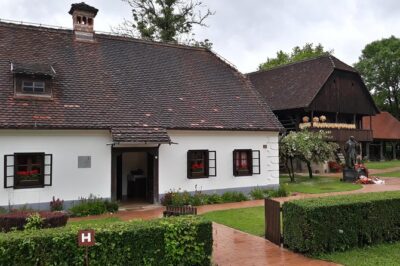
The Tito-focused moments are spread out, and they work best when you don’t rush. The itinerary highlights his childhood elementary school and an arboretum where he hosted public figures. Those two stops give you a more rounded idea of the world he grew up in—education and social life—both tied to a specific physical location, not just an abstract biography.
His home is also open to the public. You’ll find that not everything inside is original furniture, but key items and room setups are meant to reflect what life was like. One room focuses on his public life, including gifts associated with dignitaries. And the museum experience can get surprisingly specific: it’s noted that Tito had seven siblings, and that even his funeral included 100 heads of state. Those numbers help explain why people viewed him as more than a local figure.
I also appreciated the conservation details you can spot while walking. The village includes thatched roofs on some buildings, and the upkeep schedule is described as needing replacement about every 30 years. That kind of information helps you understand why the place looks the way it does today—and why it’s an ongoing maintenance project, not a one-time restoration.
If you’re the type who likes history with names and places, this is the best part of the tour. If you prefer broader context, your guide’s job is to connect the physical stops to what they symbolize.
Food breaks and cafés inside the pedestrian village
Kumrovec is described as exclusively pedestrian, which sounds simple until you experience how it changes the pace. You move at walking speed, you can stop without fighting traffic, and you don’t feel rushed from room to room.
For the practical side of your day, the village includes two cafés/snacks mentioned during the visit. That’s handy because you’ll want a pause—especially if you’ve spent time reading displays and looking closely inside the houses.
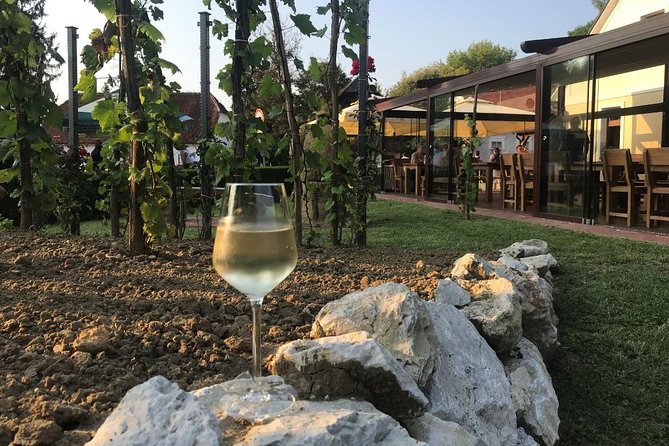
At the end of the visit, the schedule includes time to enjoy local food and wine. Since the specific meal plan details aren’t spelled out in the information you were given, I’d treat this as a flexible chance to eat where you can—rather than a guaranteed sit-down multi-course lunch. Either way, it’s a smart way to close the day. After a museum-heavy morning, you’ll appreciate something warm, local, and easy to take your time with.
Quick tip: since you’ll be on foot for a while, plan to wear comfortable shoes. This is one of those places where good footwear pays you back instantly.
Price of $328.59: is it worth a half-day from Zagreb?
Let’s talk value, because $328.59 per person is not a small number. You’re paying for a few things at once: pickup from Zagreb, a private-group format (only your group participates), a guided experience in English, and the admission ticket included for the Staro selo museum.
The admission piece matters. People mention an entrance fee of about 5€ for the site, and your tour includes admission, so you’re not stacking extra costs on top of the day trip. The bigger cost is the guided transport and the private setup. If you’re traveling with friends or your own group, the price can feel more reasonable because you get that dedicated time without blending into a larger, moving crowd.
Also, the day is built around a focused window—about 5 hours total. You’re not trading your whole day away for a distant stop. For many visitors, that balance is what makes it feel worth it: a meaningful historic visit without losing your entire day to transit.
One more point: there’s a group discount option, so if you’re booking with others, ask about how that might apply. The “mobile ticket” part is also convenient if you like a low-fuss start.
Who should book Kumrovec, and who might prefer another day
Book this if you want history you can see. You like rural settings, and you enjoy museums that use real spaces and objects to explain the past. If Tito is on your must-see list, this tour does a good job of connecting the big name to the small, human details—his school, his home setting, the arboretum, and rooms that show public life through gifts and artifacts.
You’ll also enjoy it if you’re the type who likes craftsmanship. The village has buildings for trades like blacksmithing, and the museum layout makes it easy to spot “how people worked” as well as “who became famous.”
Consider skipping or pairing differently if you only want major monuments or if you dislike outdoor walks. Even though the experience is structured and guided, a pedestrian open-air village is still a walking experience. Bring the right gear, and plan your energy like it’s a short hike with museum stops.
Finally, if you want a very fast museum hit and then out, you might feel the day is long. It’s designed for people who want to look.
Should you book this Kumrovec and Tito tour?
I’d book it if your ideal day includes a real-feeling village, guided context that ties one person to one place, and time to slow down and actually take in details. The mix of Tito-linked sites and the ethnographic village houses makes the experience more than a single-topic stop.
Skip it if you’re sensitive to walking outdoors or if you’re expecting a purely memorial-style tour with heavy indoor exhibits. Kumrovec is not about dark halls and spotlighted relics. It’s about everyday life—then how that life connects to a historical figure who went on to shape an era.
If you can handle a few hours on your feet and you want a trip that’s both specific and grounded, this one is a solid choice.
FAQ
What time does the tour start?
The start time is 9:00 am.
Is pickup offered from Zagreb?
Yes. Pickup is offered, and the tour says they pick up all travelers.
How long is the experience?
The total duration is about 5 hours.
Is admission to Staro selo museum included?
Yes. Admission ticket is included, and the Staro selo museum stop is listed as about 3 hours.
Is the tour offered in English?
Yes. It’s offered in English.
Can I get a full refund if I cancel?
Yes. You can cancel up to 24 hours in advance for a full refund.
More Tour Reviews in Zagreb




More Trakoscan & Varazdin Trips
More Yugoslav-Era History Tours

Not quite it? More Zagreb tours and day trips
- Jump into Zagreb: Walking Tour with local guide
★ 4.8 · 3 reviews - Zagreb : Highlights Walking Tour With A Guide
★ 4.7 · 3 reviews - Zagreb Food Tour: Bite into Traditional Dishes and Flavors
★ 5.0 · 3 reviews - Zagreb to Split private transfer with National park Plitvice lakes guided tour
★ 5.0 · 3 reviews - Plitvice Lakes and Rastoke Private Day Tour from Zagreb
★ 5.0 · 3 reviews - Plitvice Lakes Private Guided Tour from Zagreb with Transfer to Split
★ 5.0 · 3 reviews - Private transfer from Zagreb to Zadar with Plitvice Lakes private tour
★ 5.0 · 3 reviews - Plitvice Lakes Hidden Gems from Zagreb
★ 5.0 · 3 reviews
Trakošćan Castle & Varaždin Day Trips, compared.
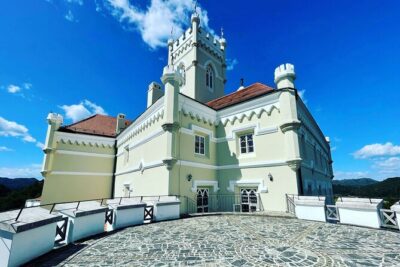 ★ 5.0VarazdinTown & Trakoscan Castle, Small Guided Group from ZagrebFrom $13277 reviews
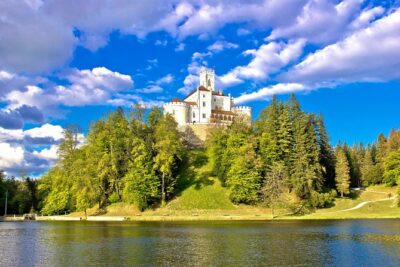 ★ 5.0Baroque Varaždin and Trakošćan Castle Private Tour from ZagrebFrom $23451 reviews
 ★ 4.9Varazdin Baroque Town & Trakoscan CastleFrom $12938 reviews
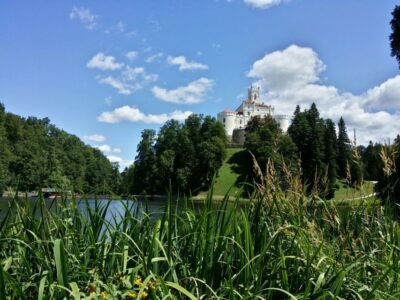 ★ 4.8Fairytale Castle & Wine Tasting & LunchFrom $32928 reviews
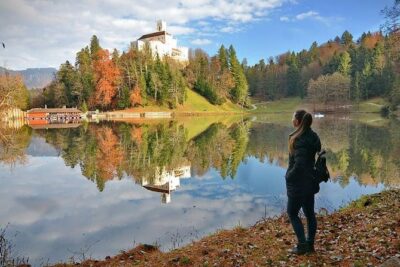 ★ 5.0Fairytale Castle & Wine Tasting & LunchFrom $34319 reviews
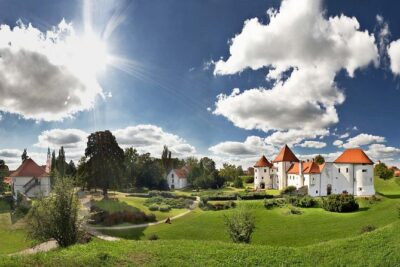 ★ 5.0Trakošćan Castle & Varaždin Private Guided TourFrom $2348 reviews
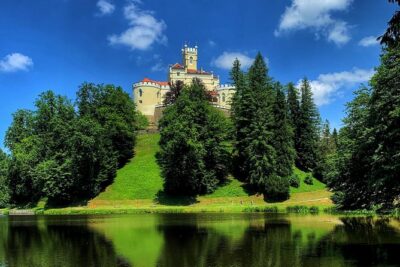 ★ 5.0Trakošćan Castle & Varaždin – Private tour from ZagrebFrom $2983 reviews
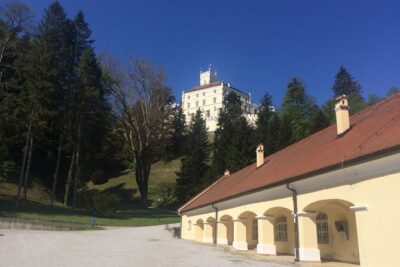 ★ 5.0Trakoscan-Varazdin castle day tripFrom $2023 reviews
Browse the lists this tour appears in