
Reviewed · COMMUNIST & YUGOSLAV-ERA HISTORY TOURS
Zagreb: Communism and Croatian Homeland War Tour
Zagreb has tunnels for more than WWII. This Zagreb Communism and Croatian Homeland War Tour threads 20th-century trauma and survival through places you can stand in and look at. It starts on Ban Josip Jelačić Square and ends in a basement shelter tied to the air raids of the 1990s.
I really like how the guide storytelling turns politics into street-level reality, especially with guides such as Darko/Ivana, praised for vivid stories and personal perspective. I also love the hands-on mix of two very different underground spaces: the WW2 tunnel system plus the locals’ air-raid basement, capped with a video presentation so the timeline clicks into place.
One drawback to consider: the WWII tunnel visit can be limited when events are happening in the tunnels, and the tour is not suitable for wheelchair users or people with mobility impairments.
In This Review
- Key takeaways before you go
- Ban Josip Jelačić Square sets the tone for Zagreb’s 20th century story
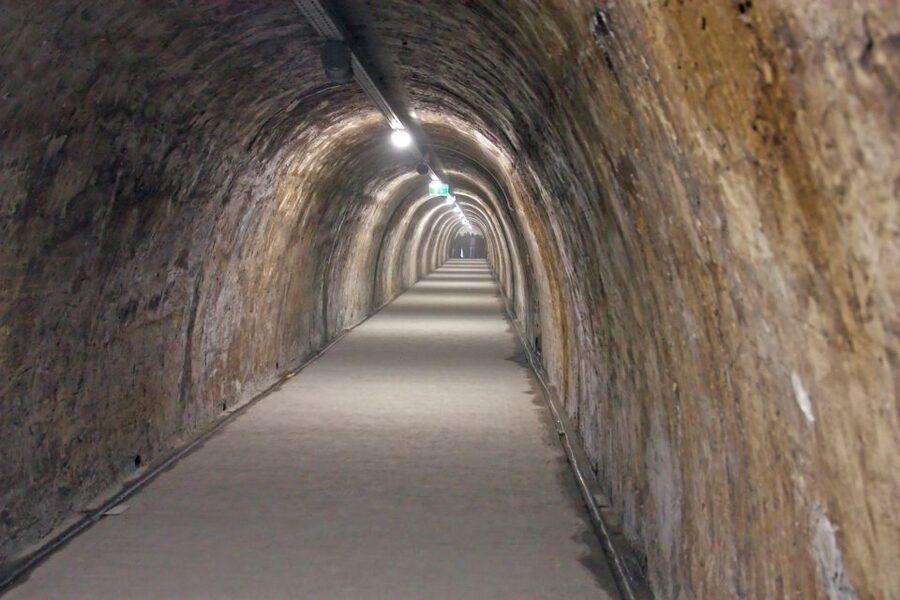
- WWII underground tunnels: where the timeline becomes physical
- Communist Yugoslavia to Croatia’s break for independence: life you can picture
- The 1990s air-raid basement shelter: the most personal part of the walk
- What you’ll remember most: guide energy and storytelling craft
- Price and timing: is 44 dollars for 2.5 hours fair value?
- Who should book this Zagreb Homeland War and communism tour
- Should you book this tour or choose something else?
- FAQ
- How long is the Zagreb Communism and Croatian Homeland War tour?
- Where does the tour start and where does it end?
- What underground sites are included in the tour?
- Is a video presentation included?
- What languages are the guides?
- Is this tour wheelchair accessible?
- Are pets and large bags allowed?
- Are children allowed on the tour?
- What if I need to cancel last minute?
Key takeaways before you go
- Ban Josip Jelačić Square starting point keeps the first minutes easy and central
- Underground WW2 tunnels add real physical context to the 20th century timeline
- Communist-era life lessons help you understand how everyday Zagreb worked under Yugoslavia
- A 1990s air-raid basement shows what safety looked like when sirens were real
- Homeland War video presentation ties the story together at the finish
- Guide-led storytelling is a huge part of the value, with many strong reviews for Darko and Ivana
Ban Josip Jelačić Square sets the tone for Zagreb’s 20th century story
The tour begins in front of the horse statue at Ban Josip Jelačić Square, Zagreb’s main gathering point. That matters because you’re not wandering blind first. You start on a familiar landmark, and then the guide works a clear timeline across the city, moving from older conflicts into the communist period and then toward the Croatian fight for independence.
What I like about this format is the pacing. You get a guided walk that keeps you oriented, plus photo stops so you’re not forced to choose between listening and capturing what you’re seeing. The route is built for walking and stopping, not for lingering in museums all day.
You’ll also want to know the practical limits. This is a walking tour, and it’s not for wheelchair users or people with mobility impairments. Also skip bulky bags, and leave pets at home. If you’re coming with kids, they must be with an adult, since unaccompanied minors aren’t allowed.
If you’re choosing a time slot, think about your attention span. This is 2.5 hours of concentrated history, and the best tours here work because the guide keeps the group engaged. In the reviews, guides like Darko and Ivana are repeatedly praised for making hard material understandable without turning it into a lecture.
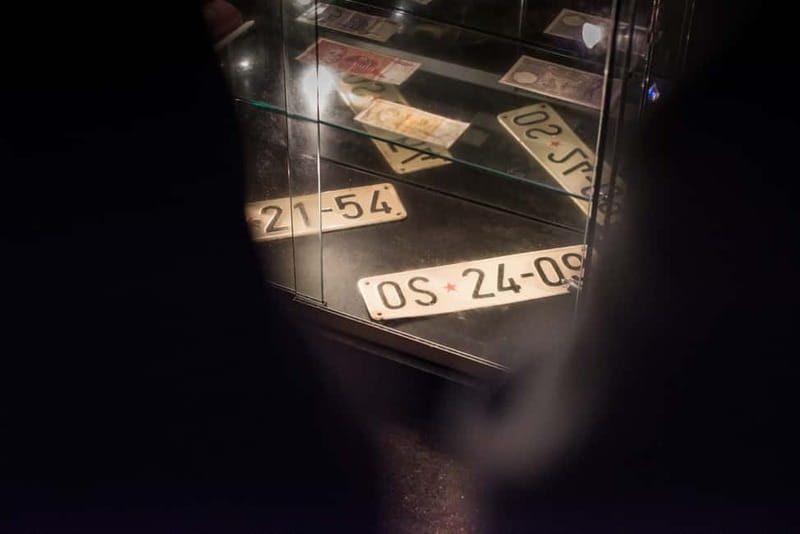
More of the Yugoslav years and the Homeland War, some of it from an old Yugo car.




WWII underground tunnels: where the timeline becomes physical
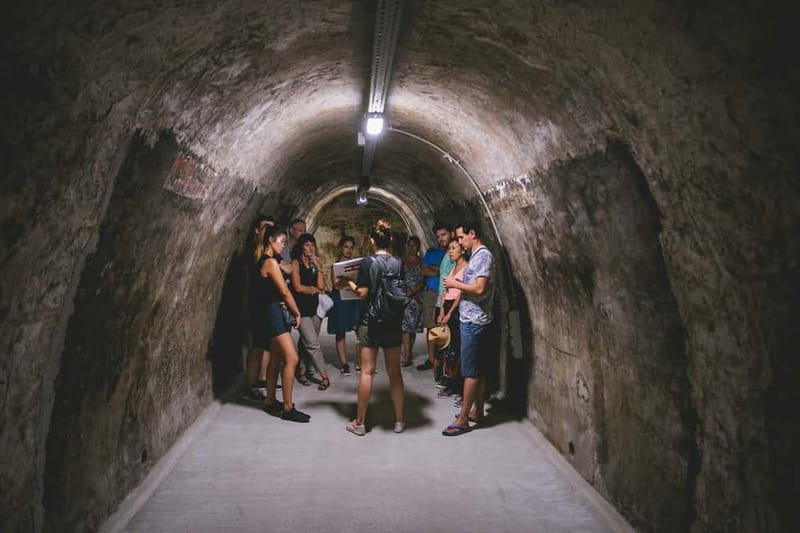
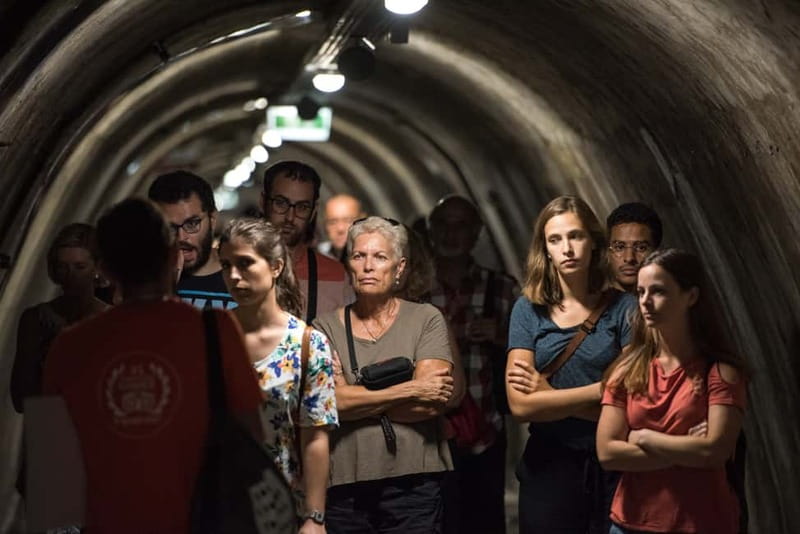
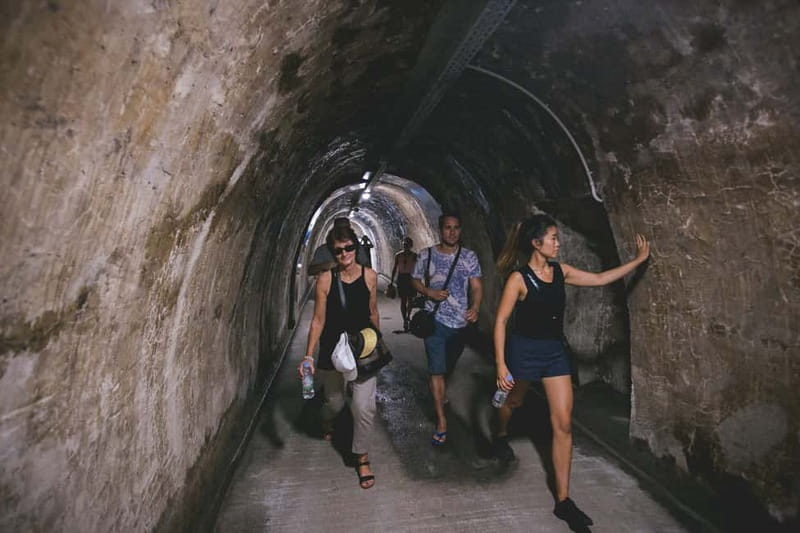
The first big “wow” element is the WW2 underground tunnels visit. Even before you get into details, there’s something grounding about stepping into a place built for wartime movement and survival. The guide uses these tunnels to tell the story of Croatia and Zagreb across the 20th century, including World War II, almost 50 years of communist Yugoslavia, and the fall of communism leading into Croatia’s Homeland War.
This is also where the tour earns its value. Many history tours talk about the past in abstract terms. Here, the past is literally under your feet. You can’t help but notice how different the air feels, how the space changes your perspective, and how much easier it is to remember facts when you tie them to a real setting.
There’s one important caveat. The WW2 tunnel visit is not included during events that take place in the tunnels. If your schedule is tight, it might be worth choosing a day and time when you’re less likely to run into an ongoing event. When the tunnels are open, you get that full underground experience; when they aren’t, you may miss part of the planned entry.
Another practical point: underground spaces can mean cooler temperatures and echoing voices. If you’re sensitive to that kind of environment, dress in layers. And if you’re the type who likes to capture details, bring a phone with enough battery, because photo stops are part of the tour rhythm.
Communist Yugoslavia to Croatia’s break for independence: life you can picture
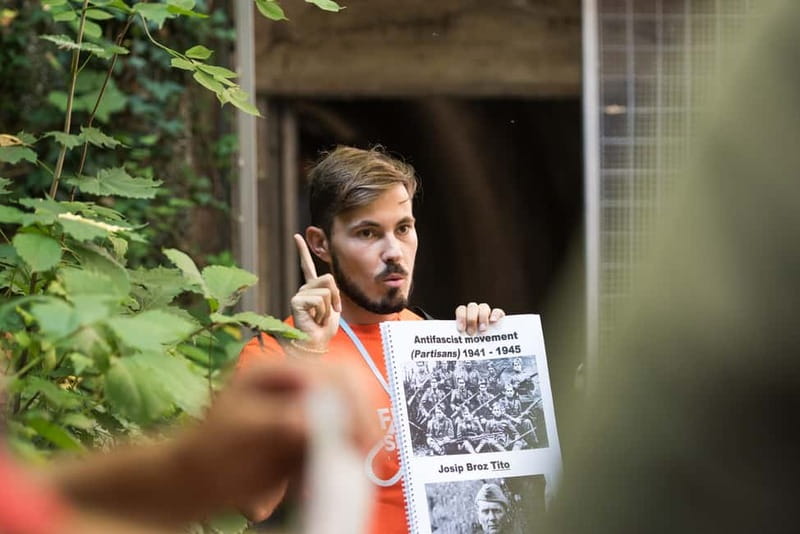
After the initial underground segment, the tour shifts into the hardest part to explain without the right framing: what it felt like to live through the communist era and the years leading up to Croatia’s independence. The tour doesn’t just skim names and dates. It focuses on how Zagreb life changed as political reality shifted, and it connects those changes to what people faced on the ground.
This is exactly where a great guide earns their keep. In strongly positive feedback, guides are described as engaging story tellers who keep people attentive even during the afternoon slump. One guide was praised for a baritone voice that carried over city noise, which is a nice reminder that you’re not just listening to facts—you’re listening to someone who knows how to narrate in a real public space.
You’ll likely appreciate that the tour uses multiple layers. You get a walking history component that helps you understand the atmosphere of different periods, then you reinforce that with underground sites. The result is a timeline that doesn’t feel like it’s floating away from real geography.
Also, if you care about fairness in historical storytelling, this tour’s approach is worth noting. Some reviews highlight that the tour aims to present events in a balanced way, including more than one side of a story. I value that because it prevents the tour from turning into a single-note narrative. You leave with a better sense of how complicated these transitions were for ordinary people.

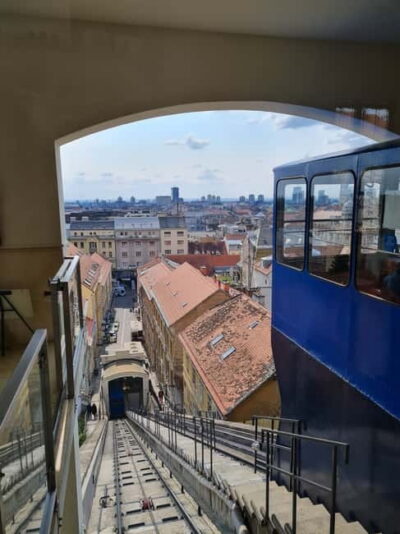
The 1990s air-raid basement shelter: the most personal part of the walk
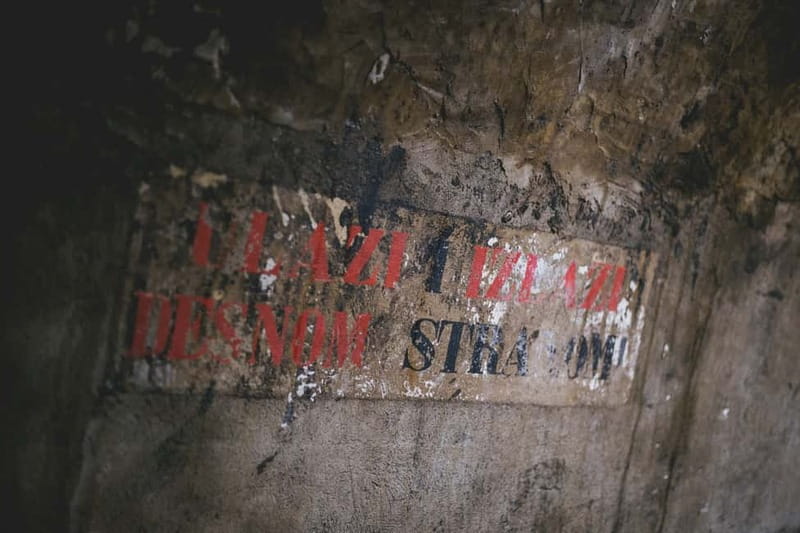
The final major stop is a basement used by locals as a shelter during air raids on Zagreb in the 1990s. This is the emotional anchor of the tour, because it shows safety not as a concept but as a room. You can’t “opt out” of what that implies once you see the setting described for those specific years.
The tour finishes here with a Homeland War multimedia presentation and a video presentation that lays out key details. I like finishing this way because video can connect dots that a walking tour can’t fully explain with only street-level storytelling. It also gives you a chance to slow down after the walking, so your brain can settle and organize everything you heard.
One thing I’d plan for mentally: this segment is meant to help you understand the lived experience of air raids. It’s not just a curiosity stop. The tour’s wording and focus emphasize the shelter aspect and how it fit into daily survival. If you’re sensitive to war topics, consider what helps you process difficult history: some people prefer clear dates and facts; others prefer the human scale of a shelter story. This tour tries to give you both.
As you’re standing in the basement area, notice how the guide connects it to the larger timeline. The lesson is not only what happened, but how the city’s political shifts translated into real choices and real fear.
What you’ll remember most: guide energy and storytelling craft
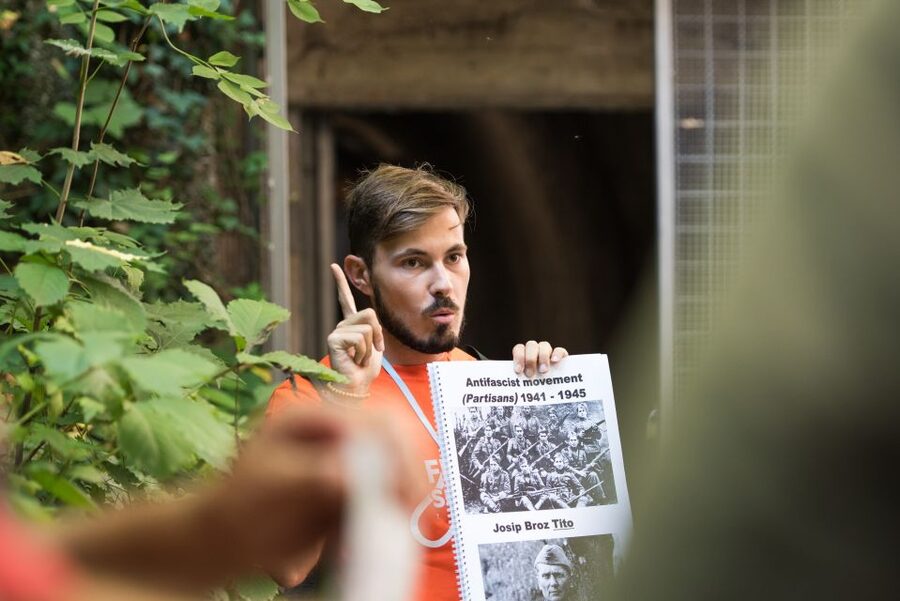
In a tour like this, the guide is half the experience. The best praise in the feedback is consistent: guides are described as energetic, funny when appropriate, and strong at turning dense topics into clear scenes. People also mention how guides use practical aids like maps and pictures, plus the final video, to keep the material coherent.
Guides named in the reviews include Darko/Darko variants and Ivana, with lots of praise for engaging delivery. One review specifically notes a guide using humor alongside history and personal stories, which is a helpful sign if you’re worried the tour might be too heavy or too slow. Another highlights that the guide asked questions and kept the interaction going, which can make a big difference over 2.5 hours.
I also like that some reviews describe guides being open about their own complicated family war histories. That kind of personal framing can make the story feel less like a textbook and more like a place where real people had to make real decisions. At the same time, the tour’s aim to be balanced helps prevent the personal angle from becoming one-dimensional.
If you want maximum value, arrive ready to listen. This tour is built for a conversational style, not silent autopilot. The guide is actively teaching, and your attention will pay you back later when you start noticing references to the communist era and the Homeland War in Zagreb’s everyday life.
Price and timing: is 44 dollars for 2.5 hours fair value?
At $44 per person for about 2.5 hours, this is priced like a full-on guided history tour, not a quick overview. The main reason I think it’s good value is the mix of included sites and media: you get the WWII tunnel visit (when open), you get the Homeland War basement shelter, and you get the multimedia and video presentation. For this price, you’re paying for access plus interpretation, not just for someone walking beside you.
Timing also matters. 2.5 hours is long enough to build context, but not so long that you lose the thread. You’ll walk between stops, but the design includes breaks in the form of photo stops and a video finish, so you’re not stuck only on foot for the entire time.
If you’re weighing alternatives in Zagreb, consider what kind of learning you want. If you love history and want context that ties into physical places underground and in shelters, this tour’s structure is unusually direct. If you only want light sightseeing, it might feel too serious.
Who should book this Zagreb Homeland War and communism tour
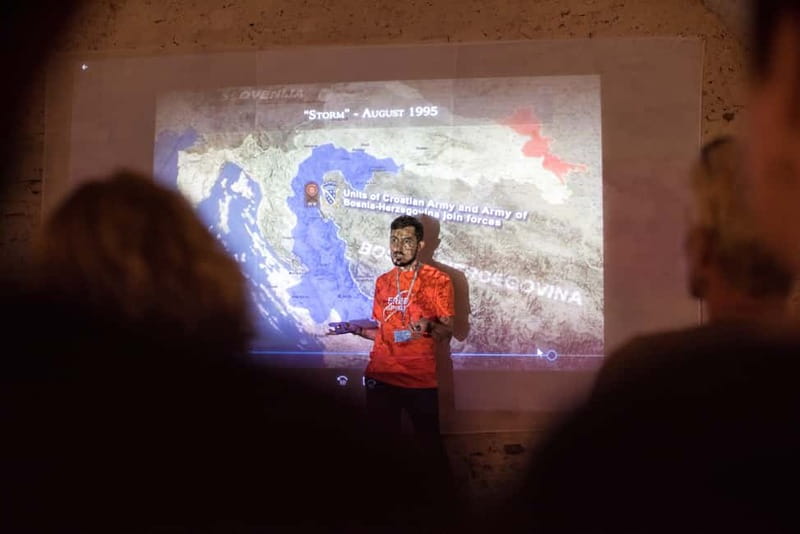
This tour fits best if you want history with geography. I think it’s a strong pick for people who enjoy narrative-driven walking tours, and especially for those who like understanding a country through the places people used to survive. The underground tunnels and the air-raid basement make the story tangible in a way many city tours can’t.
It also seems like a good choice for travelers who want a guided blend of periods: WWII, the long communist era, and then the transition into the Homeland War. That full arc is one reason the tour has such consistently high marks for storytelling and engagement.
On the other hand, skip it if mobility is an issue. The tour is not suitable for wheelchair users or people with mobility impairments. Also, if you hate enclosed spaces, underground tunnels and a basement might not be your thing. And if you’re traveling with lots of luggage, plan to travel light since luggage or large bags aren’t allowed.
Should you book this tour or choose something else?
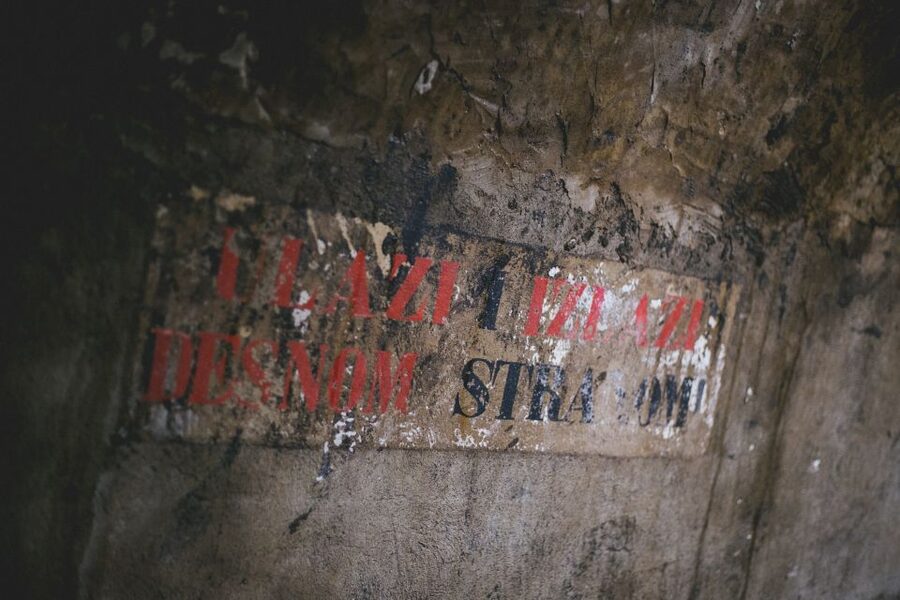
If you’re in Zagreb and you want to understand the recent history that shaped modern Croatia, I’d book this tour. The underground WWII tunnels plus the 1990s air-raid basement give you two of the most vivid “in-the-room” ways to connect the story to reality. And the high praise for guides like Darko and Ivana makes it more likely you’ll get clear explanations, strong pacing, and that human touch that turns history into something you actually remember.
If your schedule is tight or you strongly dislike war-related topics, you might reconsider. But for most history-minded travelers, this is one of the most direct ways to see how Zagreb handled fear, politics, and survival in the 20th century.
FAQ
How long is the Zagreb Communism and Croatian Homeland War tour?
The tour lasts about 2.5 hours, and you should check availability to see starting times.
Where does the tour start and where does it end?
It starts in front of the horse statue at Ban Jelacic Square and ends back at the same meeting point.
What underground sites are included in the tour?
You’ll visit the WWII underground tunnels and later a basement used by locals as a shelter during air raids on Zagreb in the 1990s.
Is a video presentation included?
Yes. The tour includes a Homeland War multimedia presentation, with details presented through a video.
What languages are the guides?
The live tour guide speaks Spanish and English.
Is this tour wheelchair accessible?
No. It is not suitable for wheelchair users or people with mobility impairments.
Are pets and large bags allowed?
No. Pets are not allowed, and luggage or large bags are also not allowed.
Are children allowed on the tour?
Children must be accompanied by an adult. Unaccompanied minors are not allowed.
What if I need to cancel last minute?
There is free cancellation up to 24 hours in advance for a full refund.
More Tours in Zagreb



More Tour Reviews in Zagreb

More Yugoslav-Era History Tours

Not quite it? More Zagreb tours and day trips
- Jump into Zagreb: Walking Tour with local guide
★ 4.8 · 3 reviews - Zagreb : Highlights Walking Tour With A Guide
★ 4.7 · 3 reviews - Zagreb Food Tour: Bite into Traditional Dishes and Flavors
★ 5.0 · 3 reviews - Zagreb to Split private transfer with National park Plitvice lakes guided tour
★ 5.0 · 3 reviews - Plitvice Lakes and Rastoke Private Day Tour from Zagreb
★ 5.0 · 3 reviews - Plitvice Lakes Private Guided Tour from Zagreb with Transfer to Split
★ 5.0 · 3 reviews - Private transfer from Zagreb to Zadar with Plitvice Lakes private tour
★ 5.0 · 3 reviews - Plitvice Lakes Hidden Gems from Zagreb
★ 5.0 · 3 reviews
Communist & Yugoslav-Era History Tours, compared.
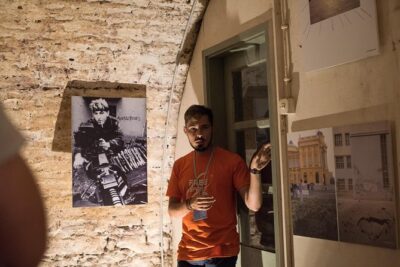 ★ 5.0Communism & Croatian Homeland War TourFrom $471,355 reviews
 ★ 5.0Back to Socialism Bike TourFrom $4949 reviews
 ★ 4.62.5-Hour Cycle Back to Socialism TourFrom $5725 reviews
 ★ 5.0Back to Yugoslavia Private City Tour in Old-Timer Yugo CarFrom $10224 reviews
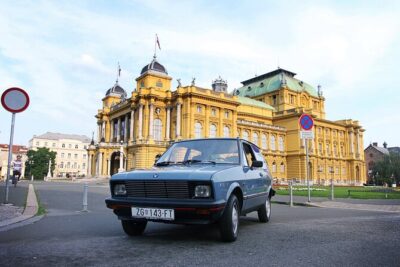 ★ 5.04-hour Private Zagreb & the Mountain Tour in a Yugo carFrom $12620 reviews
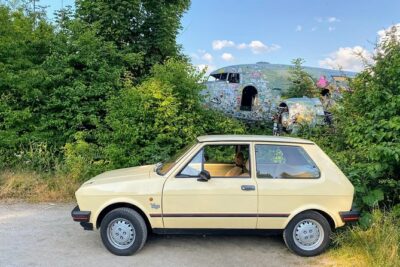 ★ 5.0Full Day Private Tour of Plitvice National Park and Željava Airbase with a YugoFrom $26112 reviews
 ★ 5.0Ex-Yugoslavian “Spomeniks” tourFrom $42111 reviews
 ★ 5.0Private Tito’s Village tour in Old-Timer Yugo carFrom $1688 reviews
Browse the lists this tour appears in