
Reviewed · COMMUNIST & YUGOSLAV-ERA HISTORY TOURS
World War II Zagreb, Croatia between communists, fascists and “ordinary” people
WWII in Zagreb feels uncomfortably close. This walk takes on the years 1939–48 in a way that sticks with you: you move from parts of the city built just before the war into the historical center, ending near places tied to how residents were assembled and sent away. I especially like that it keeps the spotlight on real people and impossible choices, not just dates and uniforms. One thing to consider: the subject matter is heavy, and the first stop includes an interactive element where you may need to read small instructions.
Two practical wins help this tour land well. First, the group stays small (up to 12), so your guide can actually connect the stories to what you’re seeing. Second, the tour includes a guided narrative of relevant figures and events while you walk, so you’re not left “reading the plaque and guessing.” The only drawback I’d flag is that you should be ready for some walking and plan for possible entry at the first stop, since admission there isn’t included.
In This Review
- Key points to know before you go
- WWII in Zagreb through ordinary choices, not simple answers
- Mestrovicev Paviljon interactive start: bring reading glasses
- From pre-war modern Zagreb into the historical center
- Assembly and deportation-linked places: what to notice as you walk
- Guide storytelling and the value of a max-12 group
- Weather, walking time, and how long 2–3 hours really is
- Price and logistics: what you’re paying for at $34.73
- Where you start and where you end in Zagreb
- Is this WWII Zagreb walk the right fit for you?
- FAQ
- FAQ
- How much does the WWII Zagreb tour cost?
- How long is the tour?
- Where does the tour start?
- Where does the tour end?
- What is included in the price?
- Is transportation to and from attractions included?
- Can I cancel for free?
Key points to know before you go
- Small group (max 12): more time for questions and more attention from your local guide.
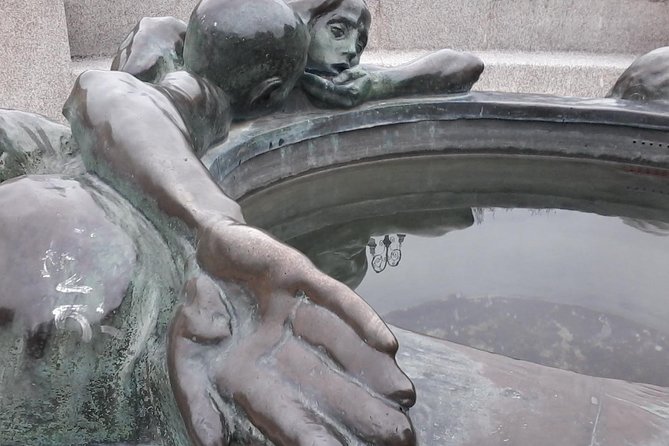
- Interactive start at Mestrovicev Paviljon: you’ll participate, not just listen.
- A route that links streets to events: pre-war modern Zagreb to the historical center, then toward assembly/deportation-linked places.
- Focus on ordinary lives: the story centers on how people behaved under pressure.
- Works in all weather: you’ll go rain or shine, so dress for the conditions.
- Moderate walking fitness: it’s designed for travelers with a moderate ability level.
WWII in Zagreb through ordinary choices, not simple answers
Zagreb during World War II wasn’t one straight line. It was shifting power, fear, propaganda, and survival tactics—often at the same time. This tour’s big strength is that it doesn’t treat the era like a clean textbook. You’re pushed to think about how someone handles a moment when there is no safe option.
That comes through right away with the way the guide frames the central question: how many “sides” exist in a conflict like WWII? In real life, people didn’t always fit into one neat category—especially when family, work, and safety were all on the line. You’ll hear about different political pressures in Zagreb in the WWII years, with special attention to what this meant for day-to-day life, not only for leaders.
For me, that’s the reason the tour is worth your time. Most cities have WWII sites you can visit. Fewer places help you understand what it felt like to be stuck in the middle, surrounded by communists, fascists, and everyone trying to live normal life as long as they could. I like how the stories move along with the walking route, so you don’t lose the thread.
More of the Yugoslav years and the Homeland War, some of it from an old Yugo car.



Mestrovicev Paviljon interactive start: bring reading glasses
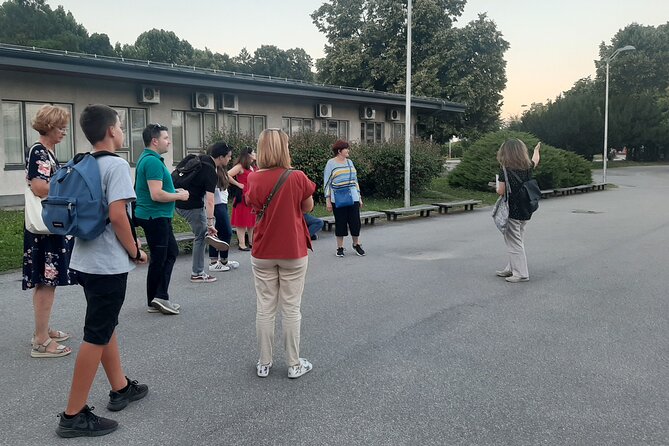
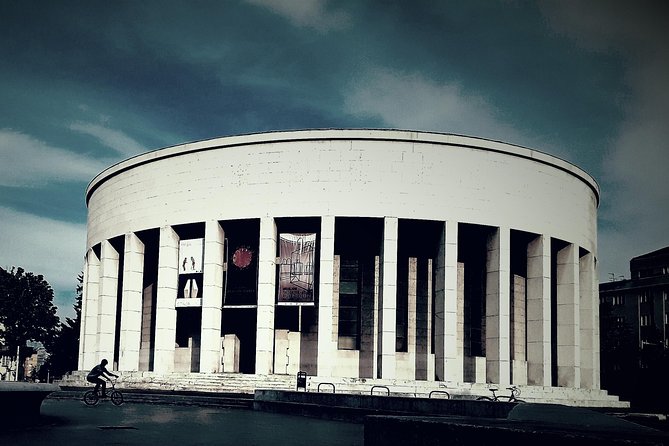
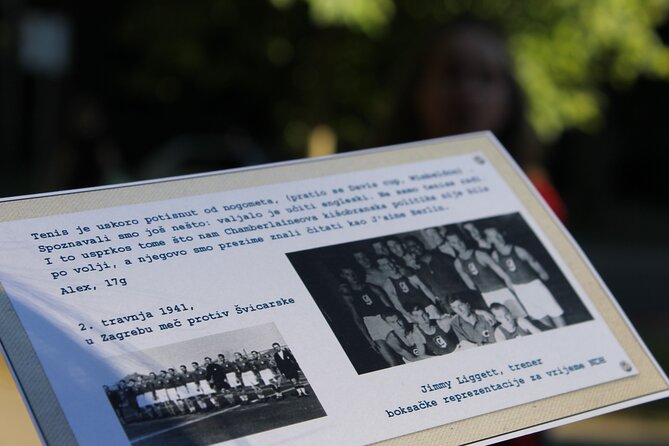
Your walk begins at Trg Žrtava Fašizma (10000 Zagreb). The first stop is Mestrovicev Paviljon – Croatian Association of Artists, and it’s designed as an interactive experience. The key practical tip here is in the wording: if you need reading glasses, bring them. There’s likely material you’ll need to read up close, and this is not a “sit back and watch” moment.
The vibe at this first stage is also a clue to how the guide will run the whole tour. The discussion isn’t presented as a virtual game; it’s framed as real-life consequence. You’ll be invited to react to questions about choice, inability to fight, and inability to escape. Even if you don’t agree with every viewpoint the guide raises, it makes you pay attention to the moral pressure people faced.
Another practical detail: the time at this first stop is about 20 minutes, and there’s an admission ticket not included for this part. So I’d treat this as a “plan a little extra” moment, even though the rest of the experience is covered by the tour price and your local guide.
From pre-war modern Zagreb into the historical center
After the interactive start, the tour shifts gears. The route is built around an important contrast: you begin in the modern sections of Zagreb created just before the war, then you work your way into the historic center. That change matters. Architecture and street layout shape how people move, gather, and get noticed. When the rules of society tighten, those physical details suddenly become part of the story.
As you walk, your guide connects what you’re seeing to the historical narrative for the 1939–48 period. The effect is that “Zagreb during WWII” starts to feel like a place you could point to on a map, not just an era. You hear about relevant figures and events, but they’re tied to where people lived and where events unfolded—so the information stays grounded.
One reason I think you’ll appreciate this pacing: it helps you reset mentally. The tour doesn’t demand you hold every detail in your head at once. By moving from modern streets into older neighborhoods, you get repeated moments where your senses catch up—then the guide fills the gaps with specifics.


Assembly and deportation-linked places: what to notice as you walk
The most solemn part of the tour is where residents were once assembled and taken to concentration camps. The route takes you toward places linked to those realities, and the guide explains how and why these processes happened in Zagreb during the war years.
I’d suggest you approach these stops with two mindsets at the same time:
- Be present enough to absorb what the guide says.
- Give yourself permission to feel uncomfortable. This isn’t the kind of tour where you can treat it like sightseeing.
You’ll likely notice that the guide doesn’t only name dates. You get the kind of context that helps you understand what “being assembled” really means on the street level: people separated, decisions forced, movement controlled. Even when the physical site is quiet today, the story makes the space feel charged with what happened there.
This is also where the tour’s focus on “ordinary” people makes a difference. When you’re told what happened to people who were trying to live their regular lives—workdays, routines, family responsibilities—you stop imagining WWII as distant. You begin to understand how quickly normal could become dangerous.
Guide storytelling and the value of a max-12 group
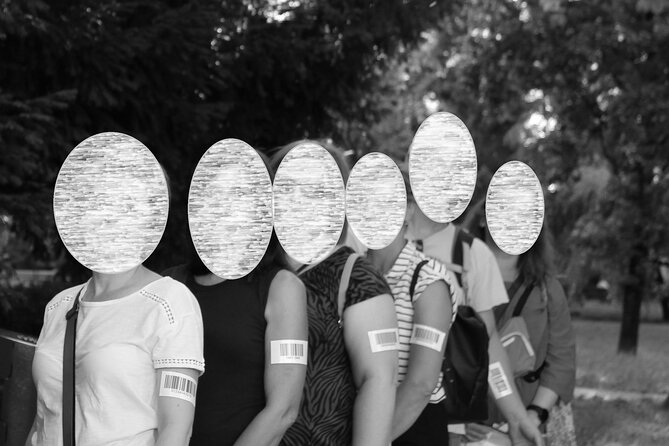
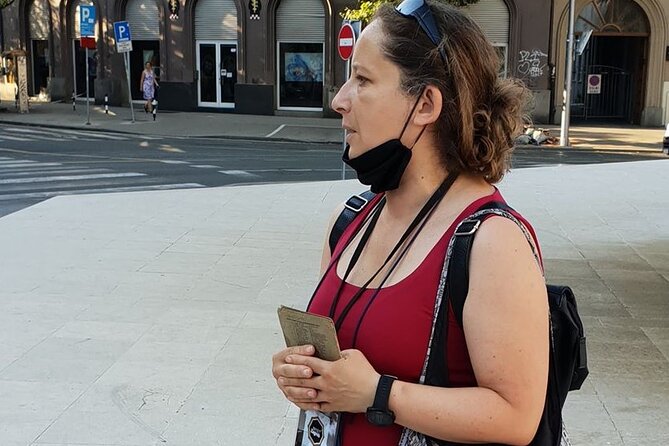
The walking pace and attention level are part of the tour’s value. With a maximum of 12 travelers, it doesn’t feel like a lecture aimed at a crowd. Your guide can tailor explanations, answer questions, and keep the stories tied to the route instead of letting everything drift into generalities.
You’ll also feel the guide’s skill in keeping history human. The stories aren’t just about who had power. They’re about who tried to resist, who tried to survive, and who was caught trying to choose between bad options. That is exactly why this tour gets such strong reaction from people who’ve already done other walking tours and found them tiring: the tone here tends to make the facts feel like lived experience.
As for comfort, the tour is built for travelers with moderate physical fitness. That means you should be comfortable walking through city streets for the duration and handling the typical conditions of an outdoor experience.
Weather, walking time, and how long 2–3 hours really is
The tour runs for about 2 to 3 hours, and it operates in all weather conditions. That’s great because it gives you flexibility—Zagreb weather changes fast, and you don’t want to plan your whole day around sunshine.
To keep this experience enjoyable, pack for walking and for being outside:
- Wear shoes that handle pavement and any uneven surfaces.
- Bring a rain layer if needed.
- If you’re sensitive to standing and walking, pace yourself at the slower moments where the guide explains the heavier parts.
The tour uses a mobile ticket, which is convenient. In practice, it means you can keep everything on your phone instead of hunting for printed confirmations.
Also note the day schedule: the tour departs three days a week, and other days can be arranged on request. If your travel dates don’t match those departures, it’s worth asking early so you can build your Zagreb plan around this experience rather than squeezing it in late.
Price and logistics: what you’re paying for at $34.73
At $34.73 per person, you’re not just paying for movement around the city. You’re paying for a local guide who ties together the “what happened” with the “where it happened.” That’s the core value here. A self-guided walk could show you points on a map. A guided walk explains the human logic behind why those points mattered.
Here’s what the price includes and what it doesn’t, in plain terms:
- Included: local guide
- Not included: transportation to/from attractions
- Not included at the first stop: admission ticket for Mestrovicev Paviljon
So your budgeting isn’t only about the $34.73. You’ll want to plan for the possibility of that first-stop admission and make your own way between starting and ending areas if you’re using transit or rideshares.
Even with those small add-ons, this still feels like solid value if you care about WWII context and want it delivered in a way that makes you think, not just collect facts.
Where you start and where you end in Zagreb
You start at Trg Žrtava Fašizma, 10000, Zagreb, Croatia. You’ll end at Studentski centar, 10000, Trešnjevka – sjever, Zagreb.
That end point matters for planning dinner and transport. Because it’s a different area than the start, I recommend you don’t schedule a time-sensitive departure right after your tour. Leave buffer time to get a bus, walk a bit, or grab food nearby without stress.
It also affects how you structure your day. If you’re doing other tours, place this one where you can arrive on time, absorb the story, and then ease into the rest of your evening.
Is this WWII Zagreb walk the right fit for you?
If you want WWII history in Zagreb that focuses on ordinary people under pressure, you’ll likely appreciate this tour. It’s especially a good match if:
- You like guided history that connects streets to stories.
- You’re interested in how people navigated competing political forces.
- You want a small-group experience with active participation at the start.
I’d hesitate if you’re looking for a light, casual tour. This is built around assembly and deportation-linked places, and the guide’s discussion of sides and moral pressure can be emotionally weighty. You should be ready to handle uncomfortable material thoughtfully.
If you’re sensitive to walking time outdoors, consider the moderate fitness level and the fact that the tour runs in all weather. And don’t forget that the first stop can require reading glasses and includes admission not covered by the tour price.
FAQ
FAQ
How much does the WWII Zagreb tour cost?
The price is $34.73 per person.
How long is the tour?
It lasts about 2 to 3 hours.
Where does the tour start?
You meet at Trg Žrtava Fašizma, 10000, Zagreb, Croatia.
Where does the tour end?
The tour ends at Studentski centar, 10000, Trešnjevka – sjever, Zagreb.
What is included in the price?
The tour includes a local guide.
Is transportation to and from attractions included?
No. Transportation to/from attractions is not included.
Can I cancel for free?
Yes. You can cancel for a full refund if you cancel at least 24 hours before the experience’s start time. Free cancellation is available up to that 24-hour cutoff.
More Tour Reviews in Zagreb


More Yugoslav-Era History Tours
Not quite it? More Zagreb tours and day trips
- Jump into Zagreb: Walking Tour with local guide
★ 4.8 · 3 reviews - Zagreb : Highlights Walking Tour With A Guide
★ 4.7 · 3 reviews - Zagreb Food Tour: Bite into Traditional Dishes and Flavors
★ 5.0 · 3 reviews - Zagreb to Split private transfer with National park Plitvice lakes guided tour
★ 5.0 · 3 reviews - Plitvice Lakes and Rastoke Private Day Tour from Zagreb
★ 5.0 · 3 reviews - Plitvice Lakes Private Guided Tour from Zagreb with Transfer to Split
★ 5.0 · 3 reviews - Private transfer from Zagreb to Zadar with Plitvice Lakes private tour
★ 5.0 · 3 reviews - Plitvice Lakes Hidden Gems from Zagreb
★ 5.0 · 3 reviews
Communist & Yugoslav-Era History Tours, compared.
 ★ 5.0Communism & Croatian Homeland War TourFrom $471,355 reviews
 ★ 4.9Communism and Croatian Homeland War TourFrom $44779 reviews
 ★ 5.0Back to Socialism Bike TourFrom $4949 reviews
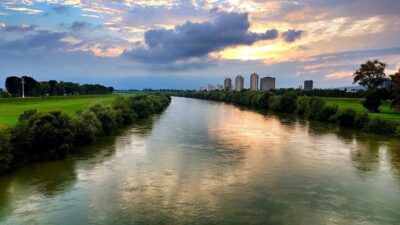 ★ 4.62.5-Hour Cycle Back to Socialism TourFrom $5725 reviews
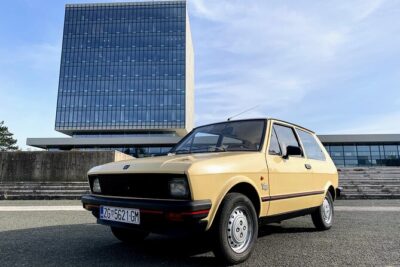 ★ 5.0Back to Yugoslavia Private City Tour in Old-Timer Yugo CarFrom $10224 reviews
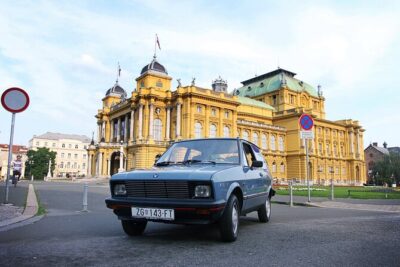 ★ 5.04-hour Private Zagreb & the Mountain Tour in a Yugo carFrom $12620 reviews
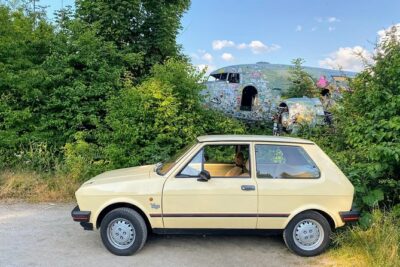 ★ 5.0Full Day Private Tour of Plitvice National Park and Željava Airbase with a YugoFrom $26112 reviews
 ★ 5.0Ex-Yugoslavian “Spomeniks” tourFrom $42111 reviews
Browse the lists this tour appears in