

Reviewed · ZAGREB WWII TUNNELS TOURS
Zagreb: Guided City Tour with WWII Tunnels
Zagreb has layers, and this tour shows them fast. I like how the route blends classic landmarks with WWII tunnels under the city, then brings you back up to market life in the Old Town. I also love that you start right at Ban Jelačić Square and get a tight, well-paced history walk that covers key sights without wasting time.
The main consideration is the walking and the tunnel portion. Bring comfortable shoes, and know that access to churches or indoor stops can sometimes be limited if they are under repair, so you may get more exterior views than expected.
In This Review
- Key highlights to look forward to
- Why This Zagreb Tour Works: Old Town + WWII Tunnels in 2 Hours
- Meeting at Ban Jelačić Square: An Easy Start and a Clear Route
- Stone Gate and St. Mark’s Square: The Old Town’s Big Visual Payoff
- Lotrščak Tower Cannon Shot at Noon: A Loud Tradition Worth Planning For
- Gric Tunnel WWII Passages and the Bloody Bridge Stop
- Dolac Market and Zagreb Cathedral: Ending with City Life and Scale
- Guides Make the Difference: What I’d Watch For on This Tour
- Price and Value: Is $23 a Fair Deal for Zagreb?
- What to Bring and How to Prepare for the Walk and Tunnels
- Who Should Book This Zagreb WWII Tunnels Tour
- Should You Book This Zagreb WWII Tunnels Tour?
- FAQ
- Where does the tour start?
- How long is the Zagreb guided city tour with WWII tunnels?
- What sights are included on the walk?
- What languages is the guide available in?
- Is there a fee and is it good value?
- What should I bring?
- Is free cancellation available?
Key highlights to look forward to
- Ban Jelačić Square as your launch point: easy to find, right in the heart of the city
- Stone Gate and St. Mark’s Square: 13th-century architecture plus the famous church scene
- St. Catherine’s pink ceiling: a photo stop that’s genuinely memorable
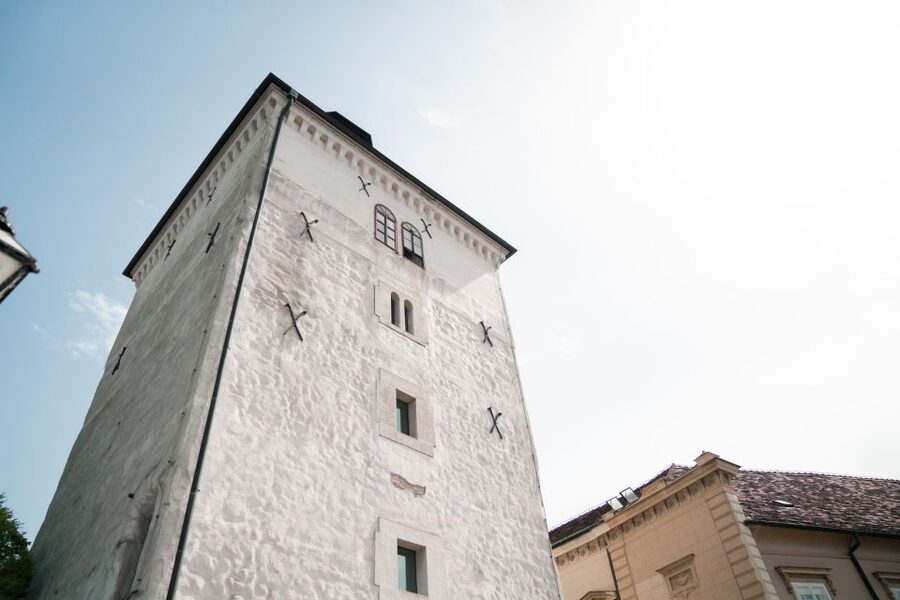
- Lotrščak Tower cannon shot at noon: a loud, timed moment you don’t want to miss
- Gric Tunnel and the Bloody Bridge: WWII underworld history paired with centuries of conflict
- Dolac market and Zagreb Cathedral: finish above ground with color, aromas, and scale
Why This Zagreb Tour Works: Old Town + WWII Tunnels in 2 Hours
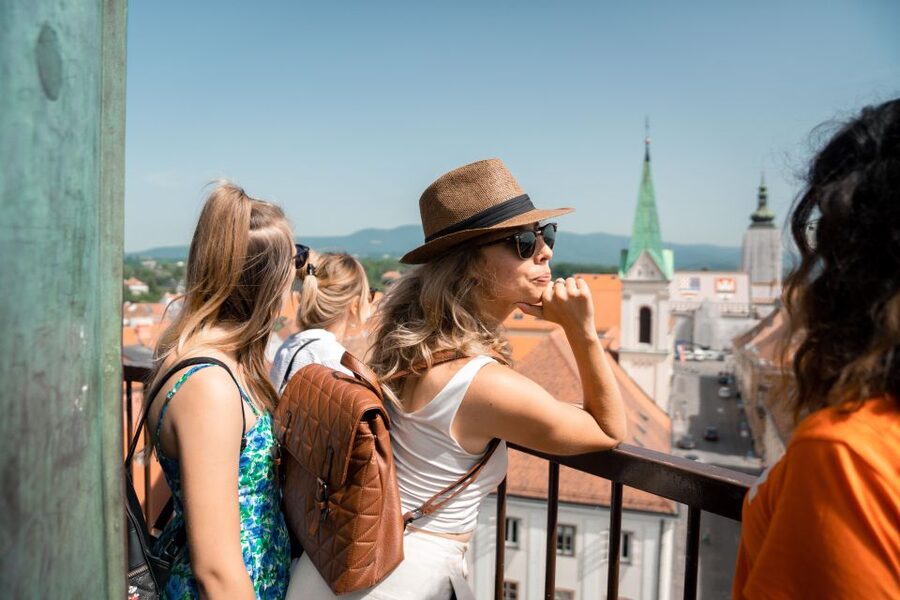
If your time in Zagreb is short, this guided combo is smart. In two hours, you cover the Old Town highlights you’d otherwise hunt down on your own, then you add the kind of history you can’t see from street level: the WWII-era tunnels beneath the city.
I like the balance here. The tour isn’t only about grim war history, even if it goes there. You also get bright city moments: church squares, viewpoints, and the sensory hit of Dolac, Zagreb’s well-known market area. That makes the whole experience feel like real life in Zagreb, not just a museum circuit.
The other reason it works is pacing. The route is built around brief stops and photo moments, so you stay oriented without feeling rushed off each street corner. Even the tunnel time is capped (one stop is about 10 minutes), which helps if you want history but you still want to enjoy the city afterward.
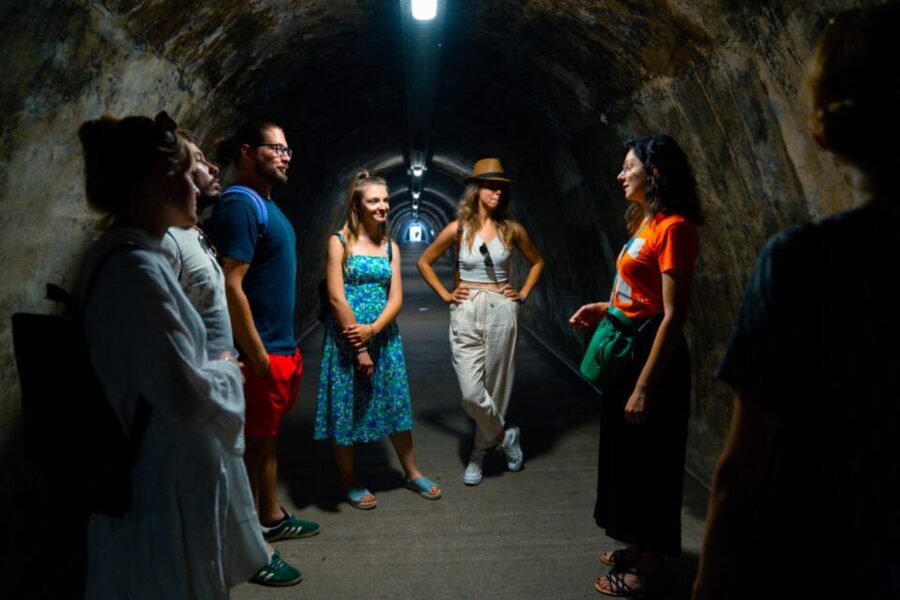
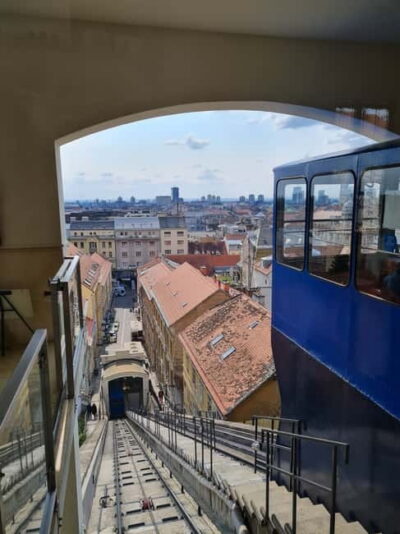
More routes down into the Gric wartime tunnels under the old town.



Meeting at Ban Jelačić Square: An Easy Start and a Clear Route
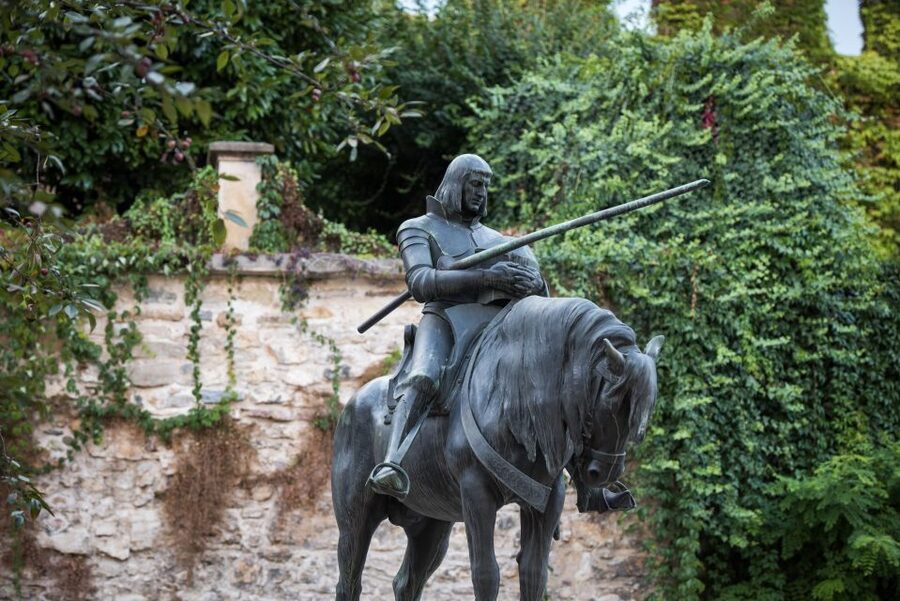
Your tour meets in front of the Horseman Statue at Ban Josip Jelačić Square. That matters more than it sounds. When your starting point is central and obvious, you spend less energy figuring out logistics and more time getting your bearings fast.
From there, the walk is designed to connect Zagreb’s main story beats. You move from major landmark zones into the medieval core, then onward toward the tunnel segment, and finally back toward the square. The result is that the city starts making sense as a map in your head.
This is also where the guide’s style really shows. In the past, guides such as Katherine, Ivana, Darko, Diana, and Vid have been praised for energy, clarity, and the ability to answer questions. That’s exactly what you want on a short tour: a guide who can explain what you’re seeing, then quickly connect it to the bigger picture without rambling.
Stone Gate and St. Mark’s Square: The Old Town’s Big Visual Payoff
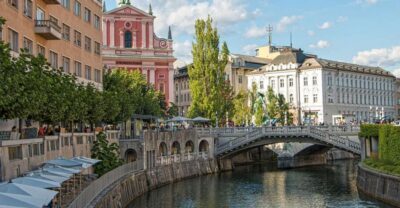
The first landmark stop is the Stone Gate, a structure dating back to the 13th century. It’s a simple thing to say on paper, but on the street it gives you that instant medieval threshold feeling. This is the kind of sight that helps you understand Zagreb’s Old Town as a real, walled-in place rather than just a name on a brochure.
Next comes St. Mark’s Square, with the iconic St. Mark’s Church and St. Catherine’s Church, including the standout detail: a pink ceiling. If you’re thinking you’ll just take a quick glance and move on, don’t underestimate it. Details like that are what make the square memorable after you leave. A good guide will also help you notice the architecture and explain why these places mattered to the city.
What I find valuable here is the way this segment sets the tone. Before you go underground to WWII tunnels, you get a sense of what’s happening above ground: civic and religious landmarks that show Zagreb’s longer timeline. It makes the later history feel less like a separate attraction and more like part of the same city story.
More days out with a guide who knows the city.

Lotrščak Tower Cannon Shot at Noon: A Loud Tradition Worth Planning For
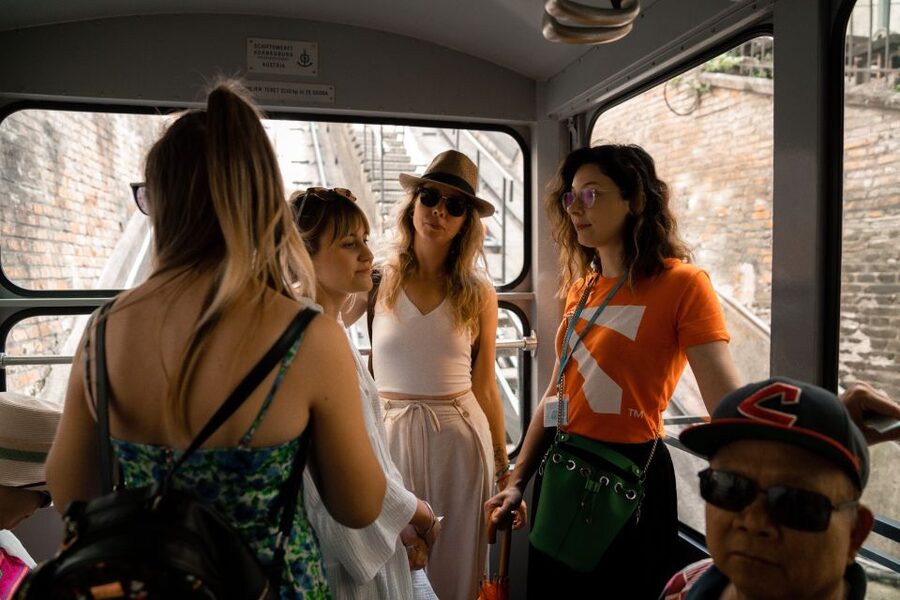
One of the tour’s signature moments is going in front of the Lotrščak Tower and witnessing the famous cannon shot at noon. Even if you’ve seen photos before, being there in person feels different. It’s quick, but it’s theatrical in the best way—street-level timekeeping you can physically experience.
Do plan for sound. One review note specifically mentioned covering ears because the cannon is loud. If you’re traveling with kids, or you’re sensitive to noise, bring that up with your group and be ready.
This stop also helps the tour function as more than a checklist. You get a viewpoint moment tied to a tradition, and you’re not stuck staring at landmarks without context. A guide can turn that quick spectacle into a mini-story about the tower area and how Zagreb used public spaces.
Gric Tunnel WWII Passages and the Bloody Bridge Stop
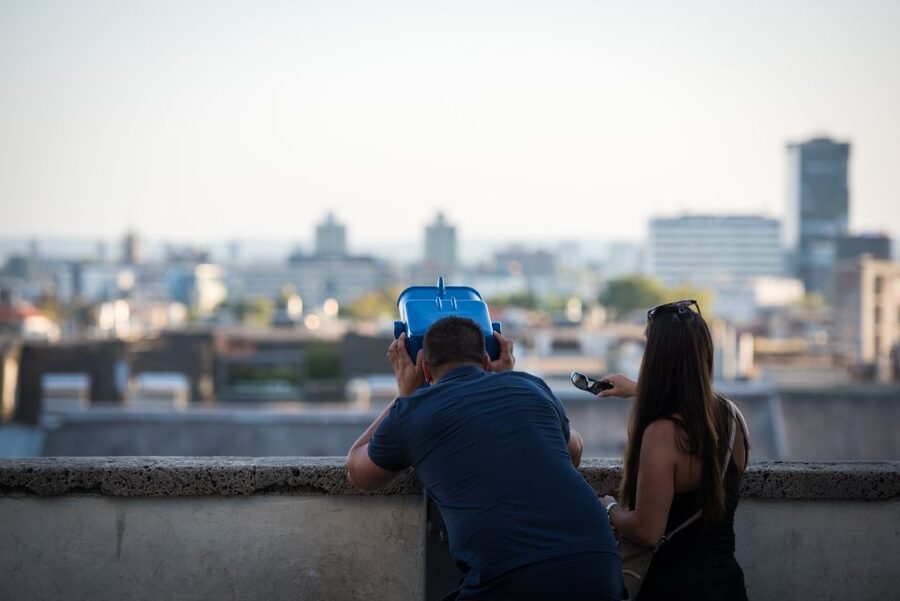
This is the heart of the tour’s concept: you go beneath the city. The route includes a stop at Gric Tunnel (about 10 minutes), then you also hear about the WWII tunnels built by the fascists during the Second World War. Walking through these spaces shifts the whole trip. The same city streets you were just photographing now feel like they sit on top of something harsher and deeper.
I like that the tour doesn’t treat the tunnels as a scary detour. It connects them to Zagreb’s broader conflict history, which is where the Bloody Bridge comes in. The bridge is described as a place of many conflicts across centuries, which is exactly the right framing. It prevents the WWII material from feeling isolated.
A balanced note: tunnels can be emotionally intense, even when the walk time is short. If you prefer lighter history, you might find this portion heavy. But if you want a real understanding of how European cities endured war, it’s one of the most direct ways you can get that in Zagreb.
Dolac Market and Zagreb Cathedral: Ending with City Life and Scale
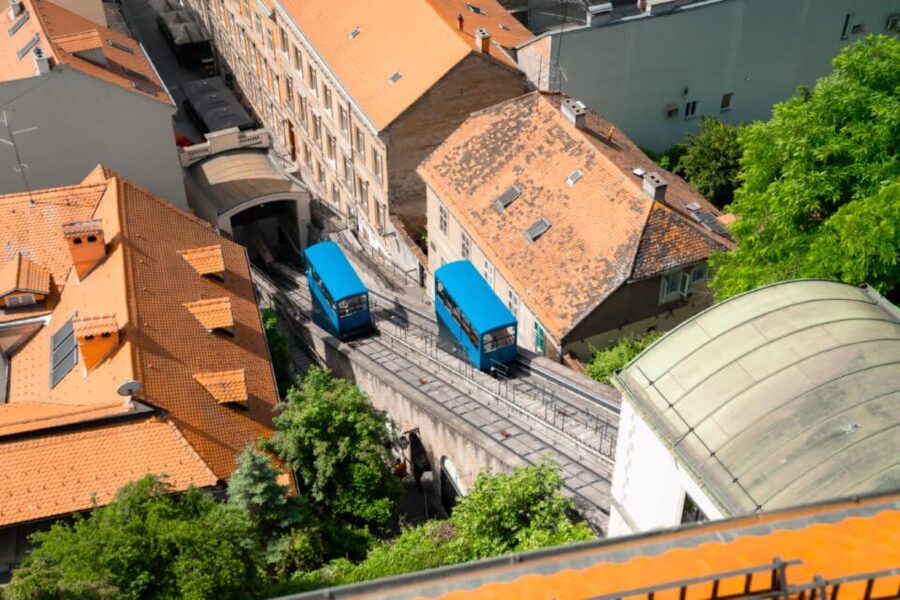
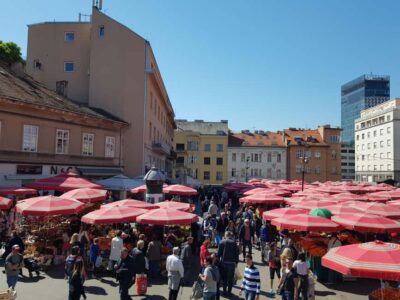
After the underground history, you return to daylight for some of the most Zagreb-flavored stops. Dolac is highlighted as the city’s largest green market, and the payoff is immediate: colors, aromas, and that lively market atmosphere that makes you want to linger even when you’re on a schedule.
Nearby, the tour also points you toward the Zagreb Cathedral, described as the largest church in Croatia. Even if you don’t go inside, the scale and setting matter. This is a classic “reset your eyes after the tunnels” moment. The cathedral gives you a sense of vertical size and long-term presence.
I especially like this ending because it gives you what most short tours miss: a practical sense of where locals spend time. After finishing here, you’re set up to wander further in the Old Town or continue your day with food and market browsing.
Guides Make the Difference: What I’d Watch For on This Tour
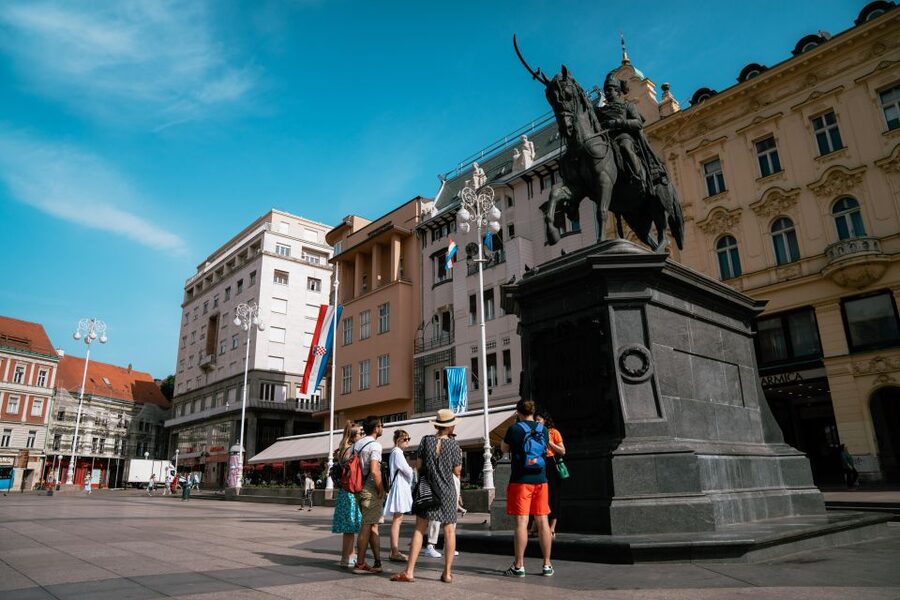
A lot of tours say they’re guided. This one leans hard on guide quality, and that’s reflected in the standout praise. Guides like Ivana, Darko, Diana, Ena, Vid, Luka, Tonka, and Katarina are described as energetic, funny, engaging, and deeply informed. Even more importantly, many notes mention that the guide gave excellent stories and answered questions well.
What that means for you: this tour is well-suited if you like conversation. You’ll get more from the Stone Gate and church squares if the guide can explain not just what they are, but why they show up in Zagreb’s identity. And you’ll get more from the tunnels if the guide can link WWII details to the longer pattern of conflict and survival.
This is also why the certified local guide detail matters: you’re not only paying for movement around town. You’re paying for someone to turn stops into understanding.
Price and Value: Is $23 a Fair Deal for Zagreb?
At about $23 per person for 2 hours, this tour is priced like a solid city introduction rather than a premium, all-day immersion. For that cost, you get several things that are otherwise time-consuming to coordinate: a coherent Old Town route, key photo stops, and the tunnel experience.
Here’s the value logic I see:
- You’re paying for guided structure. Without it, you’d likely spend more time deciding where to go next.
- You’re paying for access to the WWII tunnel segment as part of a walk, which is the hard-to-build piece for most first-timers.
- You get major highlights in a compact time window, which matters in Zagreb because you can easily wander for hours on your own and still not hit the right highlights.
The only reason this might not be “good value” for you is if you prefer totally self-guided travel. If you like reading signs, planning routes on your own, and going at your own pace with no explanation, you could do this independently. But if you want the city to click faster, the guide-led format is exactly where the value is.
What to Bring and How to Prepare for the Walk and Tunnels
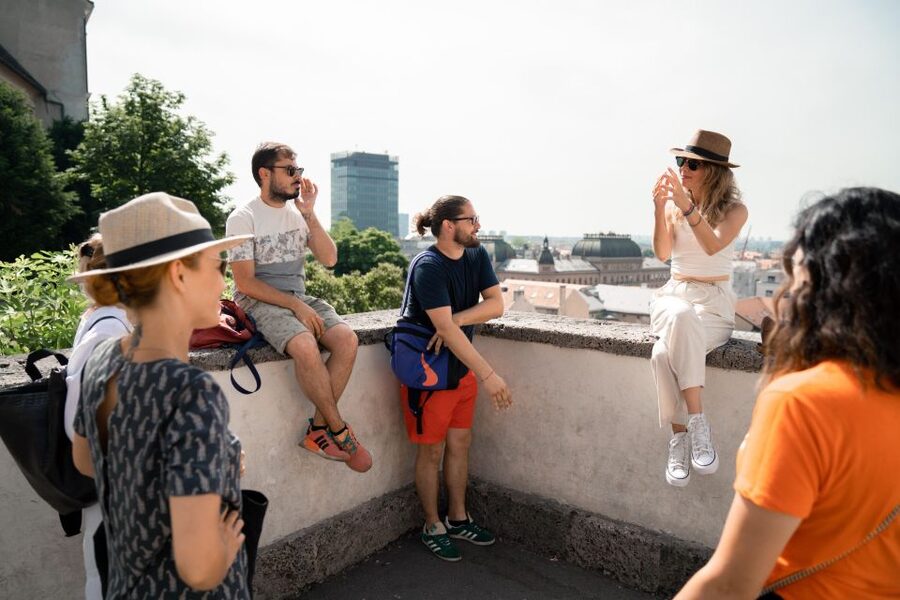
This tour is simple in supplies, but you’ll enjoy it more if you prepare:
- Comfortable shoes (you’ll be walking through the Old Town streets and down to tunnel areas)
- A camera (photo stops are part of the design)
Also consider these practical tips:
- If you’re near the cannon moment, be ready for a loud sound. One review specifically advised covering ears.
- The tour doesn’t allow luggage or large bags, so travel light.
If you’re carrying a small day bag, that’s usually manageable, but the key point is that bulky items aren’t supported. It keeps the group moving and makes tunnel access less complicated.
Who Should Book This Zagreb WWII Tunnels Tour
This is a great fit if you:
- Are in Zagreb for a short time and want the Old Town + underground history combo
- Enjoy learning local context, not just taking photos
- Want a clear, guided first pass at Zagreb’s layout before you go off on your own
It’s less ideal if you:
- Want a fully relaxed, slow-paced stroll with no timed moments (the cannon shot is tied to a specific time)
- Prefer minimal emotionally heavy topics (WWII tunnel history and conflict references are part of the core)
If you’re a history buff, I think you’ll feel satisfied because you get both the “above ground” landmarks and the “below ground” wartime reality. And if you’re not a history person, the market and squares help keep it enjoyable rather than grim.
Should You Book This Zagreb WWII Tunnels Tour?
Yes—if your priority is a fast, high-signal introduction to Zagreb. The best reason to book is the mix: Old Town icons plus WWII tunnels plus a lively market finish, all in a clean two-hour window.
I’d book it especially if:
- You want a guide who can make the city story understandable
- You’re excited by the idea of seeing Zagreb from both street level and beneath it
- You’ll benefit from English or Spanish narration (the tour runs in both)
One more smart check before you go: if indoor entries are restricted due to repairs, you may get more exterior views instead. That doesn’t ruin the tour, but it can change what you personally see inside churches.
If that kind of flexibility works for you, this is a strong, cost-effective way to experience Zagreb with context rather than guesswork.
FAQ
Where does the tour start?
The meeting point is in front of the Horseman Statue at Ban Josip Jelačić Square.
How long is the Zagreb guided city tour with WWII tunnels?
The tour lasts 2 hours.
What sights are included on the walk?
You’ll cover major Old Town stops like the Stone Gate, St. Mark’s Square (St. Mark’s Church and St. Catherine’s Church), Lotrščak Tower (including the noon cannon shot), Gric Tunnel, Bloody Bridge, Dolac market, and you’ll see Zagreb Cathedral nearby.
What languages is the guide available in?
The live guide offers English and Spanish.
Is there a fee and is it good value?
The price is $23 per person for a 2-hour guided experience that includes the WWII tunnel visit and key Old Town highlights.
What should I bring?
Bring comfortable shoes and a camera.
Is free cancellation available?
Yes. You can cancel up to 24 hours in advance for a full refund.
More Tours in Zagreb



More Tour Reviews in Zagreb
More WWII Tunnel Tours
Not quite it? More Zagreb tours and day trips
- Jump into Zagreb: Walking Tour with local guide
★ 4.8 · 3 reviews - Zagreb : Highlights Walking Tour With A Guide
★ 4.7 · 3 reviews - Zagreb Food Tour: Bite into Traditional Dishes and Flavors
★ 5.0 · 3 reviews - Zagreb to Split private transfer with National park Plitvice lakes guided tour
★ 5.0 · 3 reviews - Plitvice Lakes and Rastoke Private Day Tour from Zagreb
★ 5.0 · 3 reviews - Plitvice Lakes Private Guided Tour from Zagreb with Transfer to Split
★ 5.0 · 3 reviews - Private transfer from Zagreb to Zadar with Plitvice Lakes private tour
★ 5.0 · 3 reviews - Plitvice Lakes Hidden Gems from Zagreb
★ 5.0 · 3 reviews
Zagreb WWII Tunnels Tours, compared.
 ★ 5.0Best of Zagreb with the WW2 TunnelsFrom $23973 reviews
 ★ 4.9Small Group Walking Tour City Center and WW2 TunnelsFrom $23895 reviews
 ★ 4.9City and WWII Tunnels Walking TourFrom $23845 reviews
 ★ 5.0Zagreb Small Group Guided Walking Tour with WW2 TunnelsFrom $24380 reviews
 ★ 5.0Jump into Zagreb – Small Group walking tour with WWII TunnelFrom $3016 reviews
Browse the lists this tour appears in