
Reviewed · ZAGREB WWII TUNNELS TOURS
Jump into Zagreb – Small Group walking tour with WWII Tunnel
Under Zagreb streets, history waits in silence. This small-group walk strings together major center sights—like Lenuci’s Horseshoe and Dolac Market—with story time in the open air and the WWII Gric Tunnel. You’ll also hear legends and folklore tied to landmarks you can actually see right there on the street.
A small trade-off: there’s a walking pace for about 2.5 hours, and Lotrščak Tower admission isn’t included, so one or two stops may cost extra if you want to go inside.
In This Review
- Key highlights you’ll feel in your day
- Zagreb in one shot: small-group focus, real orientation
- Meeting at Zrinjevac, ending at Cvjetni trg: plan your day around it
- Lenuci’s Horseshoe and Jelacic Square: symbols and stories you can repeat later
- From the Cathedral exterior to Dolac Market: seeing where daily life happens
- St Mark’s Church and the colorful roof moment you’ll remember
- Tkalčićeva and Radiceva streets: the old-town streets that connect everything
- The Lotrščak Tower stop: great views, optional cost
- Uspinjača funicular: the quickest way to add charm (and not lose time)
- Sculpture Grounded Sun and the solar-system story: a quirky Zagreb twist
- Zrinjevac and the Christmas-market atmosphere: where you feel the seasonal mood
- Bloody Bridge and the Museum of Broken Relationships: the emotional side of the city
- Stepping into Tunel Gric: the WWII part that makes the whole tour click
- Price and value: what you’re really paying for
- What the guide style adds (and why it’s so often praised)
- Practical tips before you go
- Who this tour is best for
- Should you book Jump into Zagreb?
- FAQ
- What is the price of the Jump into Zagreb tour?
- How long is the tour?
- Is the tour offered in English?
- How many people are in the group?
- Where does the tour start and end?
- Is a mobile ticket used?
- Are tickets included for attractions?
- What happens if the weather is poor?
- Can I get a full refund if I cancel?
Key highlights you’ll feel in your day
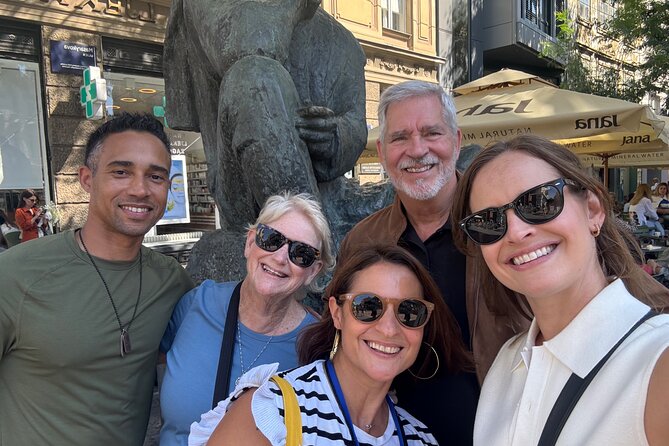
- WWII Gric Tunnel (included): step into a wartime relic turned cultural site
- Dolac Market stop: outdoor-and-indoor market atmosphere, with time to soak it in
- St Mark’s Church colored roof photos: one of the easiest “wow” moments in the old center
- Uspinjača funicular ride (included): a short ride that saves time and adds character
- Manduševac fountain coin toss and square legends: tiny ritual, big local storytelling
- Small group (max 10): you get a calmer pace and more back-and-forth with the guide
Zagreb in one shot: small-group focus, real orientation
If Zagreb is new to you, this is the kind of tour that helps you stop guessing. You start in the city center and connect the dots between squares, churches, markets, and a WWII tunnel, all within roughly 2 hours 30 minutes. The group size is kept to 10 travelers max, which matters because you’re not stuck behind a wall of people during the photo stops or the short explanations.
I also like how the tour balances “see it” with “why it matters.” You don’t just get place names. You get the naming stories, the local legends, and the practical city tips that help you return later with confidence.
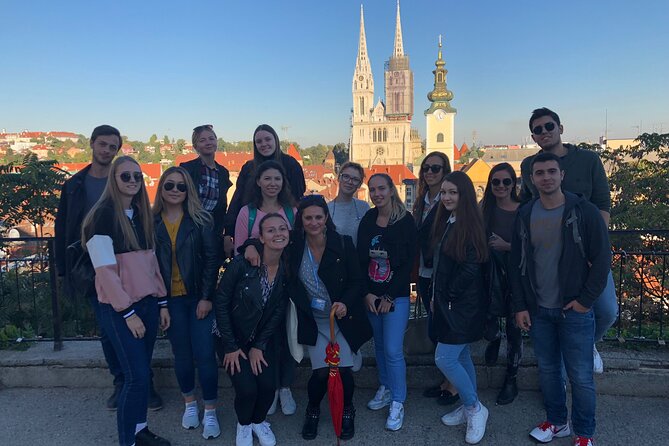
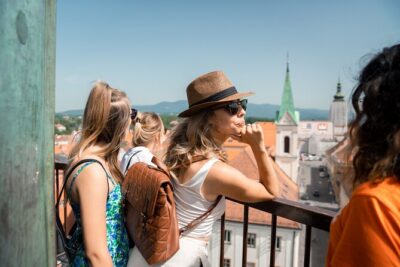
More walks through the Upper Town, St Mark's roof and the Dolac stalls below.


Meeting at Zrinjevac, ending at Cvjetni trg: plan your day around it
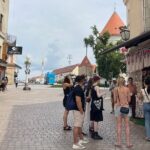
The tour meets at Zrinjevac 2 at 10:00 am. Zrinjevac is a well-located park area, and it’s an easy place to stand, gather, and get moving. You end at Cvjetni trg (Flower Square) in Donji Grad, which is a smart finish point if you want coffee or a relaxed meal right after.
Because the ending is different from the start, you’ll want to mentally map a rough route. The tour basically carries you through the core of Zagreb, then releases you back into an area with plenty of everyday energy—good for “what do we do next?” moments.
Lenuci’s Horseshoe and Jelacic Square: symbols and stories you can repeat later
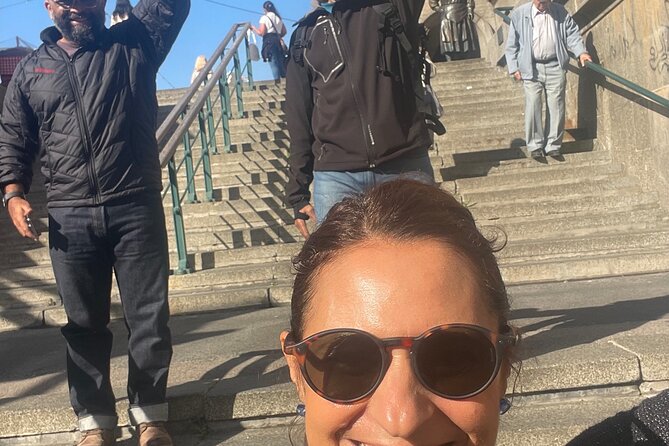
The first stop is Lenuci’s Horseshoe, which gets you oriented fast. It’s a famous sweep of buildings that helps explain how Zagreb’s historic street pattern connects with later development. Even with only about 10 minutes here, the tour gives you enough context to recognize what you’re looking at later, not just snap a picture and move on.
Then you head toward Ban Josip Jelačić Square, the kind of central point where a city’s identity shows up. You pass through and learn how Zagreb’s main square grew into a meeting place, plus the legends behind its name. One playful tradition is built into this stop: the tour includes a chance to toss a coin in Manduševac fountain.
That fountain bit sounds small, but it’s a useful way to break the ice and get into the local rhythm. You’re already standing where locals hang out, and the story turns a quick stop into something memorable.
More routes down into the Gric wartime tunnels under the old town.
From the Cathedral exterior to Dolac Market: seeing where daily life happens
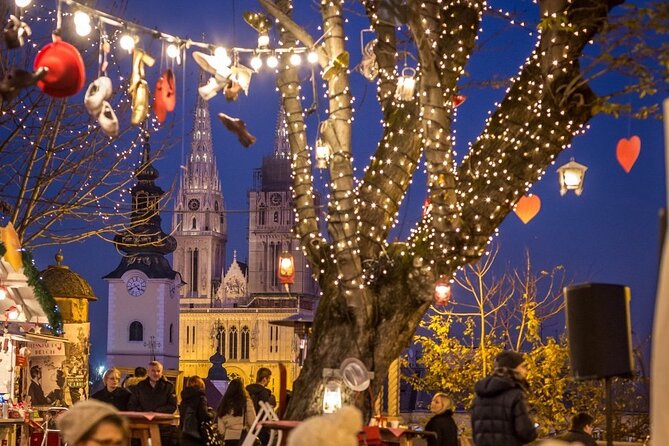
After the square, you admire Zagreb Cathedral from outside. You don’t go deep here, but you get the key exterior view and the quick context that makes the building feel less random.
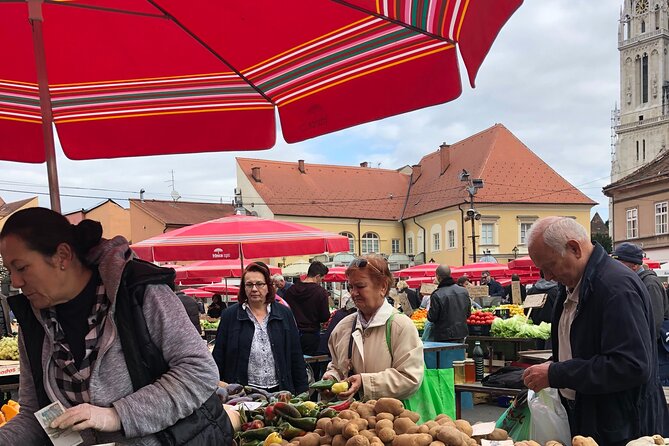
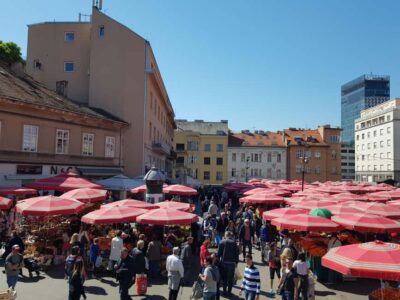
Next comes Dolac Market, and this is one of the best “slow down and look” parts of the walk. The tour visits both the outdoor and indoor sections, giving you time—about 20 minutes—to feel the market vibe. This is where Zagreb stops being just sights and starts becoming textures: the busy rhythms, the stalls, and the sense that food and daily routines drive the city.
Practical note: Dolac is a great place to pick up a snack or at least watch people buy what they need. Even if you don’t plan to eat, the market helps you understand what locals mean by everyday Zagreb.
St Mark’s Church and the colorful roof moment you’ll remember
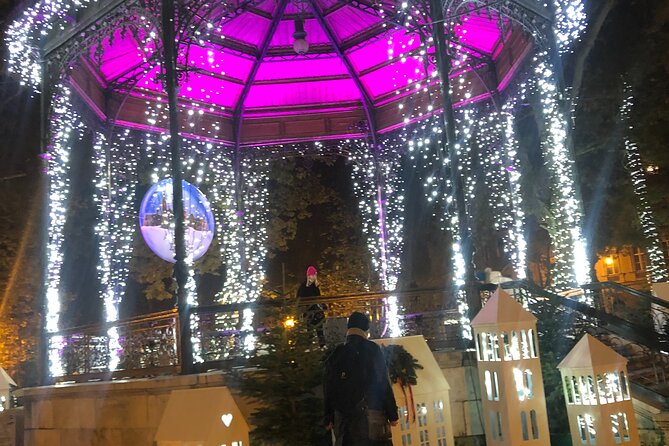
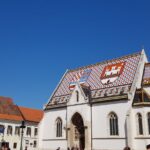
At St Mark’s Church, the main payoff is visual. You’ll stop by, hear the background tied to its place in the story of Gornji Grad / Gradec, and get time to take photos of the colored roof. This is a tight 15-minute stop, but it’s built for the classic “stand here, frame it, breathe it in” moment.
What I like about this stop is the way it connects architecture to identity. The roof isn’t treated like decoration only—it’s explained as part of how Zagreb reads its past and its local pride.
Tkalčićeva and Radiceva streets: the old-town streets that connect everything
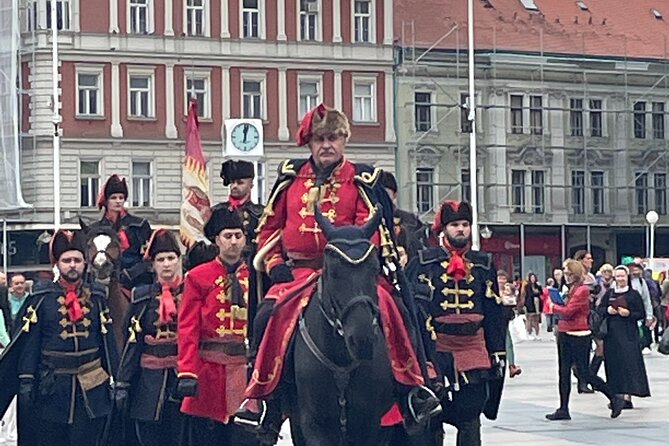
As you stroll through Tkalčićeva Street, you get history and practical recommendations for later. That’s valuable because this part of Zagreb is where you’ll likely wander again on your own—cafés, small shops, and the street life vibe.
Then the route shifts toward Radiceva Street, where the tour starts setting you up for the WWII story, including mention of the Grič Tunnel. Walking these streets makes the tunnel feel less like a random attraction and more like a piece of the city’s hidden layer.
The Lotrščak Tower stop: great views, optional cost
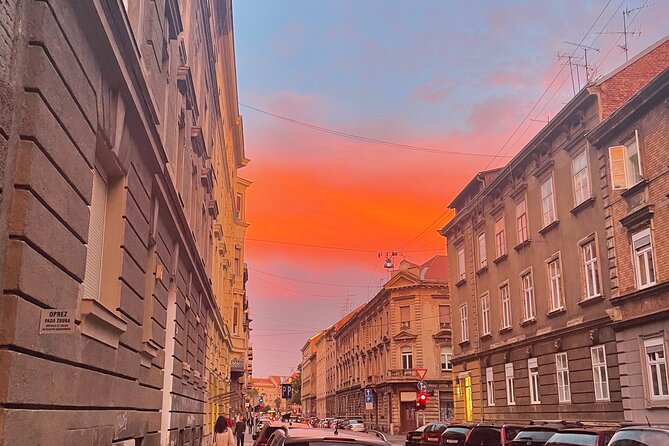
You’ll see Lotrščak Tower and its small cannon, with legends attached. The stop is short—about 10 minutes—and the big thing to know is that Lotrščak Tower admission is not included.
So here’s the real decision point: if you want only the outside views and the story, you’re set. If you want to go further inside or add the viewpoint component, you may need extra money. Either way, it’s still a fun pause because the cannon detail and the tower’s presence give you an instant skyline anchor.
Uspinjača funicular: the quickest way to add charm (and not lose time)
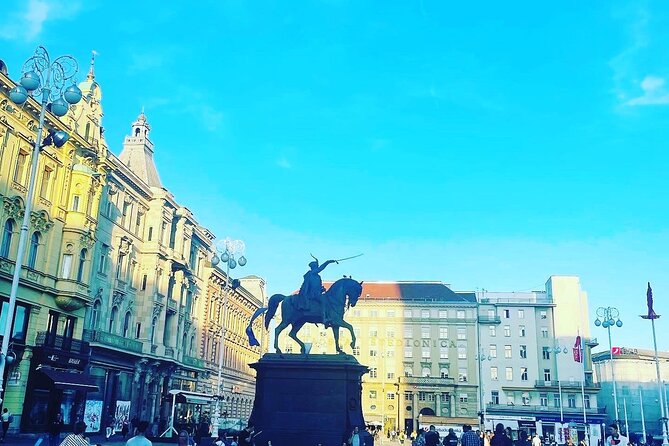
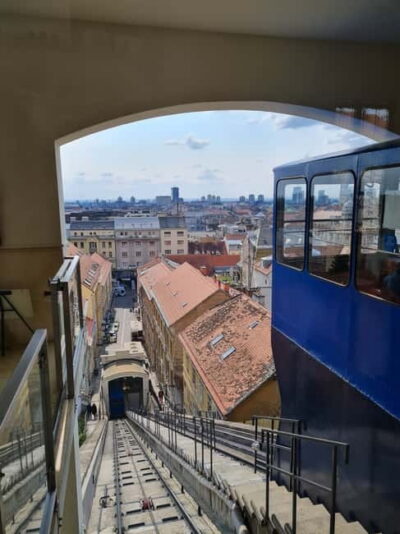
One of the smartest elements here is the Uspinjača stop. The tour includes the cable-car ride (marked as admission ticket free), and it’s timed so you can move between levels without spending your whole day climbing.
It’s also one of those experiences that’s “small but memorable.” A ride like this makes the city feel older and more personal than walking alone. Plus, it breaks up the walking so your feet don’t pay for every stretch.
Sculpture Grounded Sun and the solar-system story: a quirky Zagreb twist
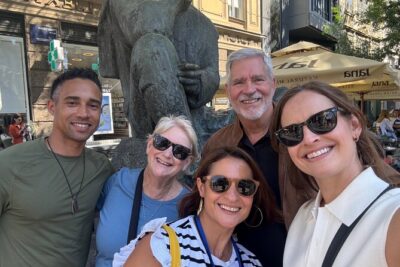
There’s also a brief stop at Sculpture Grounded Sun, where the guide explains the Zagreb solar system story. This is only about 5 minutes, so don’t expect it to be your full “wow.” Instead, it works like a palate cleanser between the bigger landmarks.
I like that the tour includes something a little strange (in a good way). It signals that Zagreb isn’t only medieval churches and stone squares; it also has modern touches and playful explanations.
Zrinjevac and the Christmas-market atmosphere: where you feel the seasonal mood
The tour returns to Zrinjevac for about 10 minutes, described as one of Zagreb’s beautiful parks. The goal here is atmosphere: you hear interesting facts and you’re positioned to sense how the center changes with the seasons.
There’s also a wider focus on giving you the setting for Zagreb’s European Christmas market vibe. Even if you’re not visiting in winter, this matters because it shapes how you move through the center. You notice the spaces where stalls and crowds tend to gather, and you’ll understand what to seek out when you come back later.
Bloody Bridge and the Museum of Broken Relationships: the emotional side of the city
Next is Krvavi Most (Bloody Bridge). It’s a quick 5-minute pass, but you’ll get the “turbulent history” context tied to the bridge and the surrounding story.
Then you pass by the Museum of Broken Relationships, with a short explanation of how the museum started. Even if you don’t step inside on this tour, the stop gives you enough framing to make a later visit feel purposeful rather than random.
This is one of those ways the tour feels human. It’s not only about grand monuments; it’s about how Zagreb remembers complicated emotions too.
Stepping into Tunel Gric: the WWII part that makes the whole tour click
The highlight for many people is Tunel Gric, included as admission ticket included. You actually step into the Grič Tunnel, described as a World War II relic turned into a cultural site.
This stop changes the tone of the day in a good way. All the street-level walking, market smells, and church views suddenly connect to survival and the city’s wartime reality. Even with only about 10 minutes, it’s enough time to feel like you’ve gone beyond the postcard version of Zagreb.
Practical suggestion: this is a good place to slow down your camera habit. The tunnel experience tends to mean more when you listen closely to the guide’s framing and take a couple of key photos rather than photographing constantly.
Price and value: what you’re really paying for
The tour costs $30.04 per person, and for a 2.5-hour, small-group walk that includes the WWII tunnel admission, that’s a fair value. The price is also balanced by how many stops are free (Lenuci’s Horseshoe, the square, Dolac Market, St Mark’s Church, most street stops), so you’re not constantly pulling out your wallet.
One thing to watch: Lotrščak Tower admission isn’t included. Also, some stops list “admission ticket free,” which usually means you don’t need to buy those entries on your own. In other words, your budget should stay under control if you’re happy with the outside viewing at the tower.
If you hate surprises, it helps to decide in advance whether you want to pay extra for Lotrščak Tower. Everything else is structured to keep the day moving smoothly without ticket chaos.
What the guide style adds (and why it’s so often praised)
A big reason this tour gets consistently high marks is the guide’s mix of history and storytelling. One guide name that comes up is Zrinka, praised for being fun and for pairing city history with folklore and legends rather than lecturing.
I also like that the tour doesn’t feel like a sprint. The pacing leaves room for photos and questions. You’ll get practical recommendations too, like where to eat or drink and which additional spots can be worth your time after the walk.
Another thoughtful touch: there’s often an emphasis on not pushing overpriced souvenir shopping. If you’ve done other city tours where the last 15 minutes feels like a sales pitch, this one feels more like sightseeing with guidance.
Practical tips before you go
- Wear comfortable shoes. You’re on foot for the whole experience, with short stops, photo moments, and some street walking.
- Bring a camera you can reach quickly. The colored roof at St Mark’s and the view moments are the easiest to miss if you’re fumbling with your bag.
- If you enjoy local rituals, be ready for the Manduševac fountain coin toss moment.
- If you’re visiting early in your trip, do this tour sooner rather than later. Getting the city’s layout and stories early makes later wandering feel easier.
Who this tour is best for
This is a strong match if you:
- want a first-day orientation to Zagreb’s center
- enjoy legends alongside landmarks (not just dates and facts)
- like tours that keep the group small, so you’re not stuck behind other people
- want a memorable, included WWII stop without spending extra time planning it
It might feel less ideal if you strongly dislike walking or if you only want ticketed attractions. This one mixes many free stops and stories with one major paid-included entry (the tunnel).
Should you book Jump into Zagreb?
Yes, I’d book it—especially if this is your first time in Zagreb. The value is strongest because the tour includes Tunel Gric admission, then ties that tunnel into the bigger Zagreb story through markets, churches, squares, and street legends. You get orientation, atmosphere, and a few “how did they build a place like this?” moments in one smooth 2.5-hour outing.
One last thought: decide your stance on Lotrščak Tower admission ahead of time. If you’re fine with outside views, you’ll love how controlled and focused the tour feels.
FAQ
What is the price of the Jump into Zagreb tour?
The tour costs $30.04 per person.
How long is the tour?
It lasts about 2 hours 30 minutes.
Is the tour offered in English?
Yes, the tour is offered in English.
How many people are in the group?
The group size is capped at a maximum of 10 travelers.
Where does the tour start and end?
It starts at Zrinjevac 2, 10000 Zagreb and ends at Cvjetni trg, 10000 Donji Grad, Zagreb.
Is a mobile ticket used?
Yes, the tour uses a mobile ticket.
Are tickets included for attractions?
The Tunel Gric (WWII Gric Tunnel) admission is included. Lotrščak Tower admission is not included, while other listed stops are marked free.
What happens if the weather is poor?
The tour requires good weather. If it’s canceled due to poor weather, you’ll be offered a different date or a full refund.
Can I get a full refund if I cancel?
Yes. You can cancel for a full refund if you cancel at least 24 hours before the experience’s start time.
More Tour Reviews in Zagreb
More WWII Tunnel Tours

More Upper & Old Town Walks
Not quite it? More Zagreb tours and day trips
- Jump into Zagreb: Walking Tour with local guide
★ 4.8 · 3 reviews - Zagreb : Highlights Walking Tour With A Guide
★ 4.7 · 3 reviews - Zagreb Food Tour: Bite into Traditional Dishes and Flavors
★ 5.0 · 3 reviews - Zagreb to Split private transfer with National park Plitvice lakes guided tour
★ 5.0 · 3 reviews - Plitvice Lakes and Rastoke Private Day Tour from Zagreb
★ 5.0 · 3 reviews - Plitvice Lakes Private Guided Tour from Zagreb with Transfer to Split
★ 5.0 · 3 reviews - Private transfer from Zagreb to Zadar with Plitvice Lakes private tour
★ 5.0 · 3 reviews - Plitvice Lakes Hidden Gems from Zagreb
★ 5.0 · 3 reviews
Zagreb WWII Tunnels Tours, compared.
 ★ 5.0Best of Zagreb with the WW2 TunnelsFrom $23973 reviews
 ★ 4.9Small Group Walking Tour City Center and WW2 TunnelsFrom $23895 reviews
 ★ 4.9City and WWII Tunnels Walking TourFrom $23845 reviews
 ★ 5.0Zagreb Small Group Guided Walking Tour with WW2 TunnelsFrom $24380 reviews
 ★ 4.9Guided City Tour with WWII TunnelsFrom $23155 reviews
Browse the lists this tour appears in