
Reviewed · ZAGREB OLD & UPPER TOWN WALKING TOURS
Zagreb History Walking Tour
A short walk that connects Zagreb’s key sights. You’ll get your bearings fast, starting at Ban Jelačić Square, then heading up by funicular and through major old-town corners where the guide explains what you’re actually looking at.
I like two things a lot. First, the funicular ride is included, so you’re not juggling extra tickets for a key part of the route. Second, the group stays small (max 6), which makes it easier to ask questions and get clear answers—handy even if you’re traveling with children.
One thing to plan for: the tour depends on good weather, and Dolac Market is closed in the afternoon. So if your schedule is tight, aim for a morning slot when you can.
In This Review
- Key highlights you’ll feel fast
- Price and value: what $42.06 gets you in Zagreb
- Start at Ban Jelačić Square: the easy way to get your bearings
- Funicular Railway: a short ride that actually changes your view
- Gornji Grad (Upper Town): 40 minutes of street-level storytelling
- Petrini Pyli: the old town’s last doorway moment
- Tkalčićeva Street: fast history in a famous downtown stretch
- Dolac Market stop: people-watching, but plan your hour
- Cathedral of Zagreb: a compact stop with big backstory
- What makes this tour work for real life: pacing, group size, and guide style
- When to book: timing in the calendar and why it affects your day
- Should you book the Zagreb History Walking Tour?
- FAQ
- How long is the Zagreb History Walking Tour?
- Is the tour offered in English?
- What’s included in the price?
- Are museums or galleries included?
- Where does the tour start and where does it end?
- How large is the group?
- Is Dolac Market included, and when is it open?
- Can I cancel for a full refund?
Key highlights you’ll feel fast
- Included funicular railway ride: one of the shortest funiculars in Europe, built right into the timeline
- Ban Jelačić Square orientation: you learn the square’s main meeting spots under the clock and by the horse’s tail
- Gornji Grad time on foot: about 40 minutes in the Upper Town with city stories along the way
- Petrini Pyli old-town entrance: the only remaining entrance to the old town gets a dedicated stop
- Tkalčićeva Street + Dolac Market: a quick walk through the city’s most famous street, then a snapshot of Zagreb’s big market symbol
- Cathedral stop focused on its turbulent past: a short, guided introduction to Zagreb’s most famous landmark
Price and value: what $42.06 gets you in Zagreb
At about $42.06 per person for a roughly 2 to 2.5 hour walk, this tour feels fair because the price covers more than just conversation on a sidewalk. You’re paying for a local licensed guide plus the funicular ticket, which is the most “priced” piece of the route. Everything else on the stops listed is admission-free, including the key orientation points in the center and the Cathedral.
Also, the small group size (up to 6) matters. In a crowd, history tours turn into listening from 10 feet away. Here, you stand closer to the guide, so you actually catch the details—and you can ask practical questions when something doesn’t make sense.
If you want a calm first taste of Zagreb without booking museums or paying for extra transport, this fits well. If you’re hoping for long indoor visits, you’ll be happier with a museum-focused plan on another day.
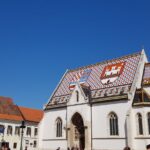
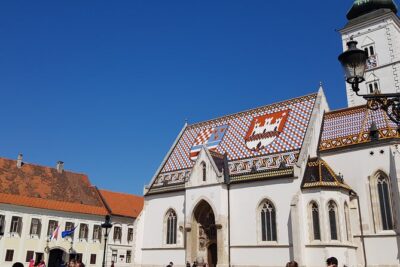
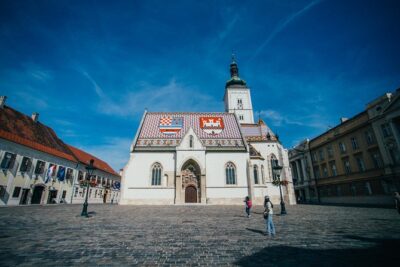
More walks through the Upper Town, St Mark's roof and the Dolac stalls below.


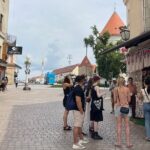
Start at Ban Jelačić Square: the easy way to get your bearings
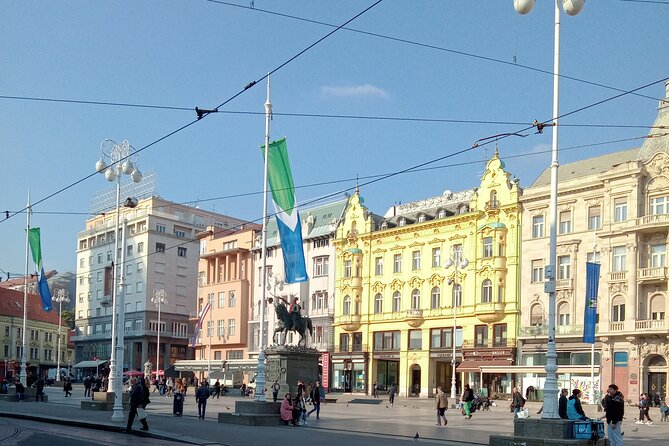
The tour opens at Ban Jelačić Square, and that’s smart. This square sits at the center of social life in Zagreb, and it’s where people naturally meet. The guide points out two specific spots you’ll hear referenced again and again during your stay: under the clock on the west side of the square, and under the horse’s tail.
Even if you’ve only just arrived, this first stop helps you build a mental map quickly. You’re not guessing which direction is which. You learn the “landmarks people use,” not just tourist descriptions.
What I like: it’s a short introduction (about 15 minutes), so you don’t waste time before you start moving.
What to watch for: if you’re sensitive to crowds, this square can be busy because it’s a real meeting place, not a staged photo spot.
Funicular Railway: a short ride that actually changes your view
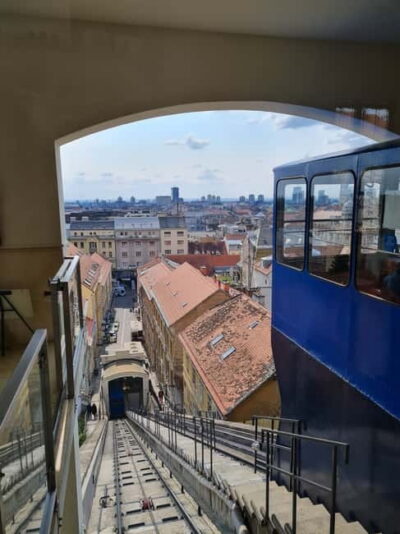
Next comes the Funicular Railway, scheduled for about 10 minutes. You’ll take one of the shortest funicular rides in Europe, and it’s included in the ticket price—so you get the transport experience without additional cost or planning.
Why this matters: a funicular changes the feel of your walk immediately. You’re shifting between the Lower Town area and the Upper Town zone, which is where the old-town structure becomes clearer. Even with a short ride, you get the sensation of moving through Zagreb’s layers.
Tip for your timing: arrive ready to move when the group is called. This ride segment is brief, and the tour keeps a steady pace.
More of the long story behind Zagreb.

Gornji Grad (Upper Town): 40 minutes of street-level storytelling
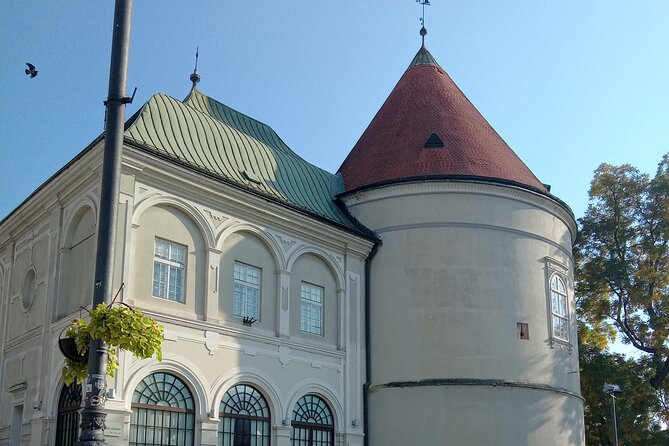
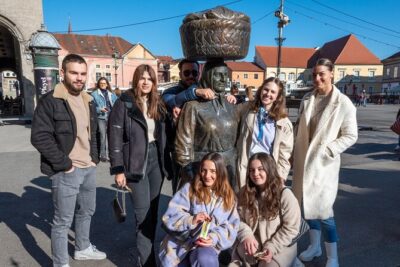
Your long walking block is in Upper Town, Gornji Grad (about 40 minutes). This is where the guide ties Zagreb’s layout to the stories you hear. You’re not just strolling—you’re getting explanations meant to make the street pattern and key corners feel logical.
This stretch is great for first-timers because it offers context without overwhelming you with museum hours. The streets here are the kind you can revisit later and feel like you understand what you’re looking at.
What to expect: steady walking, frequent guide-led points, and a pace designed for groups (not long stops at every building).
Possible drawback: if you prefer totally free exploration, this segment still has structure, so you’ll hear facts along the way rather than doing a self-guided roam.
Petrini Pyli: the old town’s last doorway moment
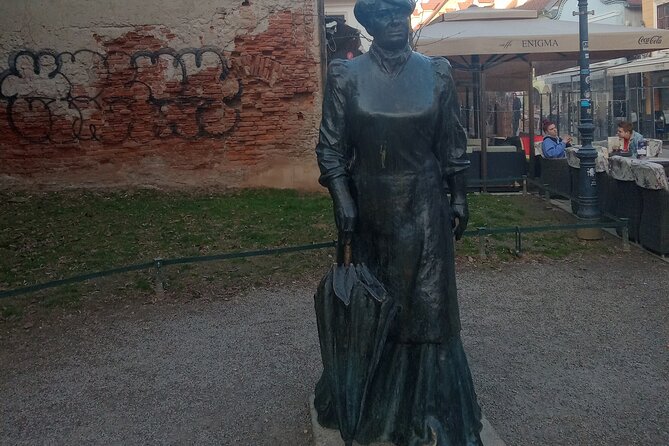
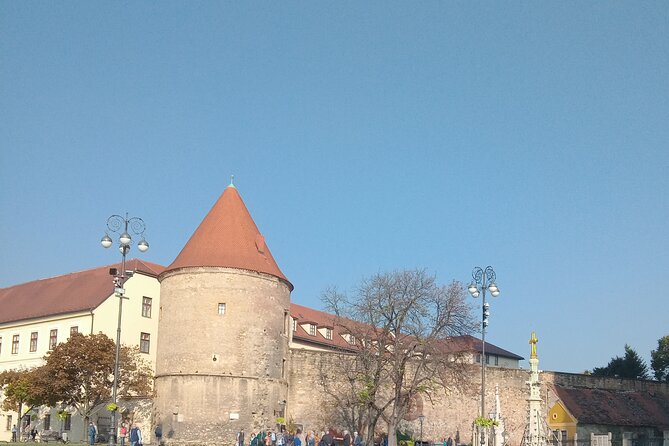
After Upper Town, you’ll stop at Petrini Pyli, described as the only remaining entrance to the old town. That phrasing is the key: it’s not a random gate. It’s a survivor point—one of the few ways to physically connect today’s walk with the idea of entering a different part of town.
This is a smaller stop (about 15 minutes), but it can be memorable because it feels specific. The guide’s job here is to help you notice what makes it unique, instead of treating it like another archway.
My take: this is the kind of stop that makes history tours worth it. The whole point of a walking tour is learning what to look for when the building is plain at first glance.
Tkalčićeva Street: fast history in a famous downtown stretch
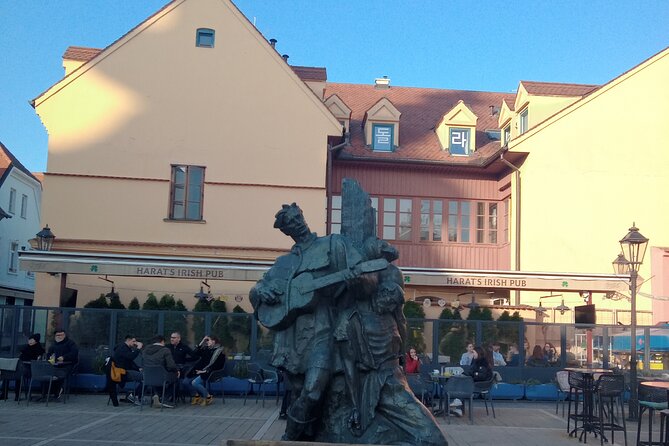
The tour then heads to Tkalčićeva Street (about 10 minutes). This is Zagreb’s most famous and most visited street in the city, and your guide walks you along while teaching the street’s interesting history.
This isn’t a deep, multi-hour neighborhood tour. It’s more like a focused “how this place got its reputation” pass. You see the street’s energy, but you also get the reason behind the fame.
Practical consideration: the segment is short, so keep your attention on the guide’s cues. If you drift into phone mode too early, you’ll miss the story thread.
Dolac Market stop: people-watching, but plan your hour
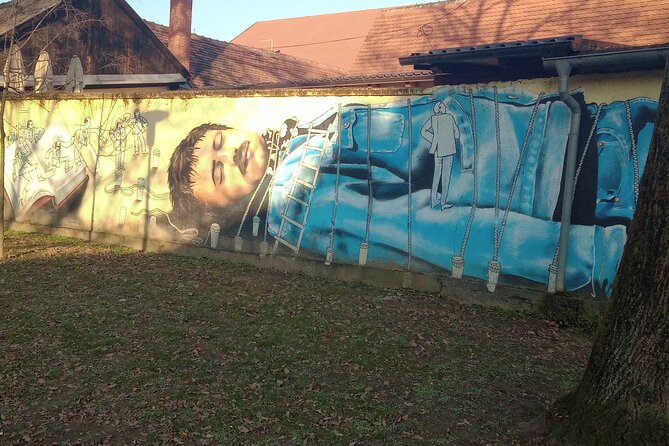
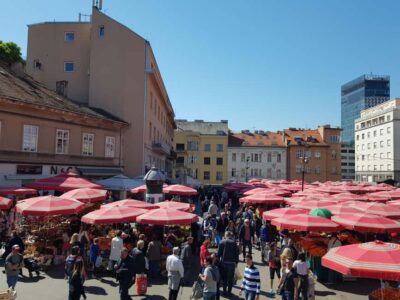
Next is Dolac Market (about 10 minutes). This is presented as the most famous symbol of Zagreb, and the point of the stop is simple: get a quick feel for the busy market atmosphere.
There’s a big scheduling note: Dolac is closed in the afternoon. So if your itinerary is flexible, go earlier in the day to avoid missing this part entirely.
What I suggest: treat this like your market taste test, not a full market shopping trip. There’s no food and drinks on the tour plan, and the stop is short, so come with the expectation of seeing and absorbing rather than sampling a long menu.
Cathedral of Zagreb: a compact stop with big backstory
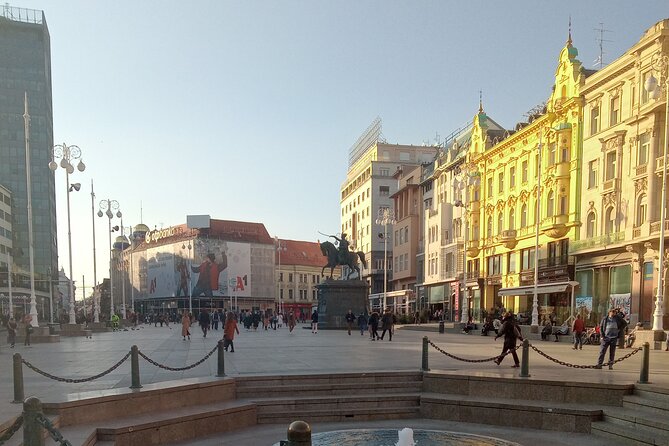
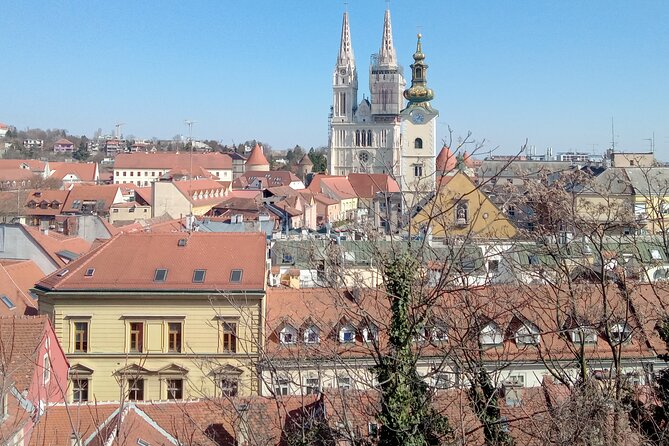
The final major stop is the Cathedral of Zagreb (about 10 minutes). The tour focuses on why it’s the most famous symbol of Zagreb and covers facts about its turbulent history.
This kind of stop works well in a walking tour because you get a focused guided orientation. You’re not spending an hour trying to read every plaque. You get the story, then you look again with better context.
What to expect: quick guided highlights, then enough time to take in the landmark visually.
What to watch for: because the stop is short, don’t expect a full independent visit. If you want to explore more, plan a return on another day.
What makes this tour work for real life: pacing, group size, and guide style
This tour is built around a clear rhythm: square → transport → Upper Town → old-town entrance → iconic street → market symbol → Cathedral. The durations are tight, but not rushed in a scary way, and everything is spaced so you learn as you move.
A few practical details that matter:
- Max 6 travelers: you get a more personal experience than the big-bus style tour. It’s easier to hear explanations and ask questions.
- English only: simple and straightforward if you’re not fluent in Croatian.
- Mobile ticket: less paper hassle once you’re on the move.
- Near public transportation: useful if you’re combining this with other plans in the city.
- Most travelers can participate: it’s a walk-heavy format, so bring comfortable shoes and a realistic pace.
- Service animals allowed: helpful if you travel with one.
One extra note from the experience’s pattern: because the group is capped low, you may feel like you’re getting a more private visit in quieter times. The tour can feel especially good when there aren’t many people competing for the guide’s attention.
When to book: timing in the calendar and why it affects your day
On average, this tour is booked about 51 days in advance. That doesn’t mean you must book two months out to get a spot. But it’s a sign it’s a popular “first Zagreb day” option. If you’re visiting during peak season or on a weekend, booking earlier can help you lock in a morning schedule—especially because Dolac Market is closed in the afternoon.
Also, confirmation happens at booking time, and the experience requires good weather. If the forecast looks questionable, plan to stay flexible.
Should you book the Zagreb History Walking Tour?
Book it if you want a high-value introduction to Zagreb’s key areas in a short window. It’s ideal for:
- first-time visitors who want a structured orientation without museum ticket math
- people who like learning what to look for while walking
- families who need guided context in manageable chunks
- travelers who want the funicular included, not added later
Skip it (or pair it differently) if you’re expecting long museum visits, deep indoor time, or a slow self-guided wander with zero structure. This tour is about getting the story behind the major public landmarks—then letting you explore more on your own afterward.
If you can, choose a morning time so Dolac Market is open, and you’ll feel like you got the full sweep of the route.
FAQ
How long is the Zagreb History Walking Tour?
It runs about 2 to 2.5 hours.
Is the tour offered in English?
Yes, it’s offered in English.
What’s included in the price?
You get a local licensed guide, plus the funicular ticket (including entry/admission for the Funicular Railway).
Are museums or galleries included?
No. Visits to museums and galleries are not part of the tour program.
Where does the tour start and where does it end?
It starts at City of Zagreb, 10000 Lower Town, Zagreb, Croatia. It ends at Ban Josip Jelačić Square (Trg bana Josipa Jelačića, 10000, Gornji Grad – Medveščak, Zagreb, Croatia).
How large is the group?
The maximum group size is 6 travelers.
Is Dolac Market included, and when is it open?
Dolac Market is included, but it is closed in the afternoon. Going earlier helps you catch it.
Can I cancel for a full refund?
Yes. You can cancel up to 24 hours in advance for a full refund.
More Tours in Zagreb



More Tour Reviews in Zagreb

More Upper & Old Town Walks
Not quite it? More Zagreb tours and day trips
- Jump into Zagreb: Walking Tour with local guide
★ 4.8 · 3 reviews - Zagreb : Highlights Walking Tour With A Guide
★ 4.7 · 3 reviews - Zagreb Food Tour: Bite into Traditional Dishes and Flavors
★ 5.0 · 3 reviews - Zagreb to Split private transfer with National park Plitvice lakes guided tour
★ 5.0 · 3 reviews - Plitvice Lakes and Rastoke Private Day Tour from Zagreb
★ 5.0 · 3 reviews - Plitvice Lakes Private Guided Tour from Zagreb with Transfer to Split
★ 5.0 · 3 reviews - Private transfer from Zagreb to Zadar with Plitvice Lakes private tour
★ 5.0 · 3 reviews - Plitvice Lakes Hidden Gems from Zagreb
★ 5.0 · 3 reviews
Zagreb Old & Upper Town Walking Tours, compared.
 ★ 5.0Best of Zagreb with the WW2 TunnelsFrom $23973 reviews
 ★ 4.9Small Group Walking Tour City Center and WW2 TunnelsFrom $23895 reviews
 ★ 4.9City and WWII Tunnels Walking TourFrom $23845 reviews
 ★ 5.0Walking tour of ZagrebFrom $24383 reviews
 ★ 5.0Zagreb Small Group Guided Walking Tour with WW2 TunnelsFrom $24380 reviews
 ★ 5.0Old Zagreb Private TourFrom $90350 reviews
 ★ 5.0Zagreb Highlights Bike TourFrom $49208 reviews
 ★ 5.0Restaurants, Food & Old Town Walking TourFrom $107191 reviews
Browse the lists this tour appears in