
Reviewed · COMMUNIST & YUGOSLAV-ERA HISTORY TOURS
From Zagreb: Yugoslavia Memorial Sites Tour
Spomeniks make history feel physical. This Zagreb Yugoslavia Memorial Sites Tour connects you to Croatia’s overlooked socialist-era landscape through artful monuments tied to Yugoslav memory. I love the mix of Podgarić, Jasenovac, and the forest stop near Sisak, because each one answers a different question about the region’s past. One thing to consider: this is heavy subject matter, and you’ll want to pace yourself.
You get an English-speaking guide (in at least one past booking, the guide was Patrik), plus a smooth day plan with pickup in Zagreb and set visit times. I also like that the Spomeniks were built across decades (1950s to 1990s), so you’re not just seeing one moment in time. The drawback is simple: there’s no lunch, and you’re out for about 10 hours rain or shine.
In This Review
- Key points to know before you go
- Why these spomeniks are worth your time in Zagreb
- The day’s rhythm: pickup, timed stops, and a full 10-hour arc
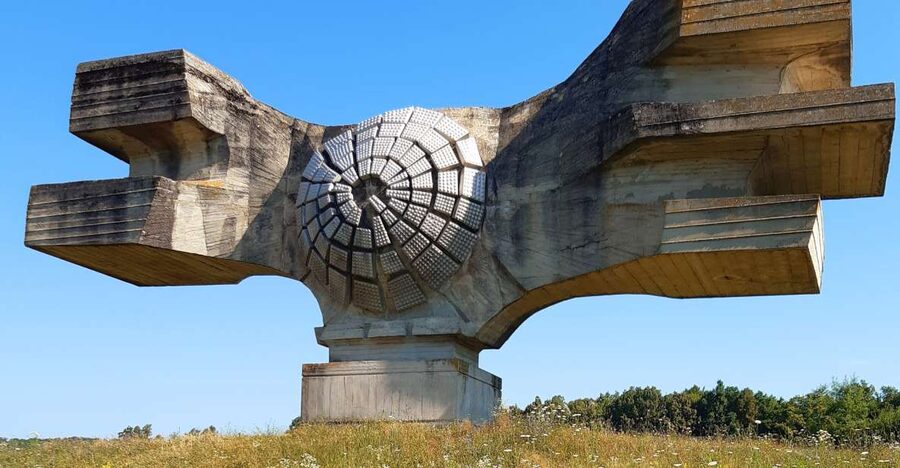
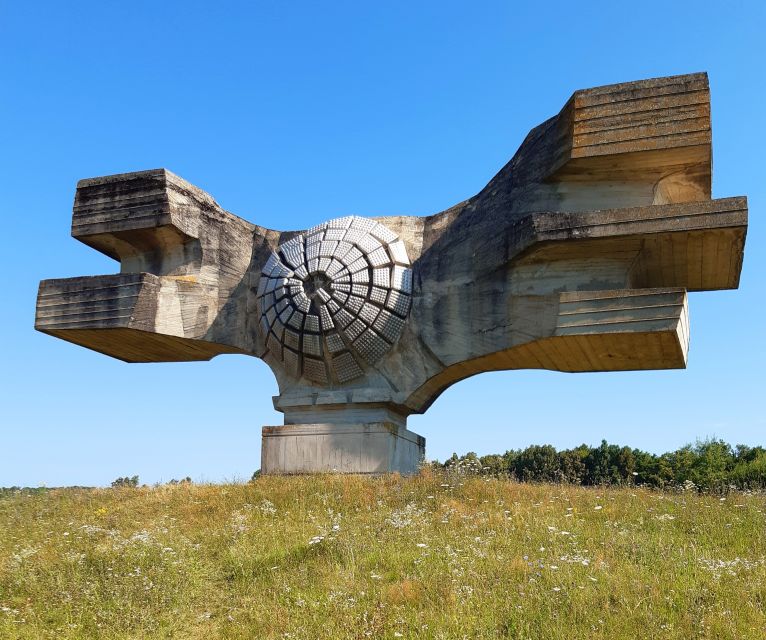
- Podgarić and the Revolution of the People of Moslavina
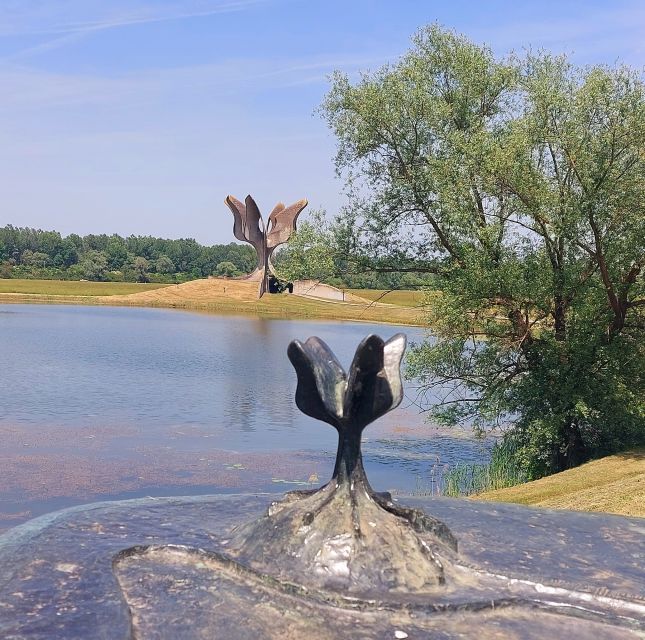
- Jasenovac: Stone Flower Monument and the memorial museum
- Sisak’s Brezovica forest and the Monument of the Detachment
- English guide time and what the tour is really offering
- Price per group: does $402 feel fair for this kind of day?
- What to bring, what to wear, and how to stay comfortable
- Who this Zagreb memorial sites tour suits best
- Should you book the Zagreb Yugoslavia Memorial Sites Tour?
- FAQ
- How long is the Zagreb Yugoslavia Memorial Sites Tour?
- What time does the tour pickup start in Zagreb?
- What stops are included on the tour?
- Is the Jasenovac memorial museum visit included?
- What language is the live guide?
- Is lunch included?
- What is the price?
- Are flashlights included?
- What should I bring and what’s not allowed?
- Is the tour wheelchair accessible?
- Does the tour run in bad weather?
- Should you book the Zagreb Yugoslavia Memorial Sites Tour?
Key points to know before you go
- Three spomeniks, three different stories: Revolution-era remembrance, wartime atrocity memorial, then partisan-linked detachment memory.
- Jasenovac includes the Stone Flower Monument and the museum: you’re not only looking from outside.
- A local English guide with regional context: the talk is meant to explain the background, not just point at stone.
- Forest exploration is part of the plan: flashlights are included, and the last stop is in a woodland setting.
- Private group, priced per group up to 2: you’ll get more “ask questions” time than on a big bus.
Why these spomeniks are worth your time in Zagreb
If your mental map of Croatia is mostly beaches and old towns, this tour nudges you in a different direction. Spomeniks are memorial structures from the former Yugoslavia, built mainly between the 1950s and the 1990s. They were designed to carry meaning, not just mark locations. That’s why they feel different from the typical war cemetery or tidy roadside plaque.
I like that the day is structured around the idea of “memory made in stone.” The monuments use form, space, and symbolism to communicate what people wanted remembered after major upheavals. You’ll see how political history, art, and grief overlap in ways that are easy to miss if you only skim the surface of modern Croatia.
This is also a tour that respects geography. You’re leaving Zagreb and spending the day in rural surroundings, with forests and quieter roads. In one past booking, the route was described as a wonderful journey through rural Croatia with forests tied to the spirit of the Partisans. Even if you’re not a partisan-history buff, that kind of setting matters: it changes how you read what you’re seeing.
More of the Yugoslav years and the Homeland War, some of it from an old Yugo car.



The day’s rhythm: pickup, timed stops, and a full 10-hour arc
Timing is one of the best practical features here. You start with pickup from your accommodation in Zagreb around 08:00, and you’re back for drop-off around 15:00. The plan has three fixed visit blocks:
- 09:00 Podgarić
- 10:30 Jasenovac (Stone Flower and the memorial museum)
- 12:30 Sisak (Monument of the Detachment in Brezovica forest)
That matters because it reduces decision fatigue. You can show up, meet your English guide, and trust that you’ll hit the key sites in a logical order: revolution memory first, concentration-camp remembrance next, then partisan-linked detachment memory in the final landscape setting.
Rain is not a deal-breaker here. The tour runs rain or shine, so you should dress for wet ground and changeable weather. Also plan for a day without lunch included. If you’re the type who gets cranky when you miss a meal, bring a practical plan for when to eat before or after the visits.
Podgarić and the Revolution of the People of Moslavina
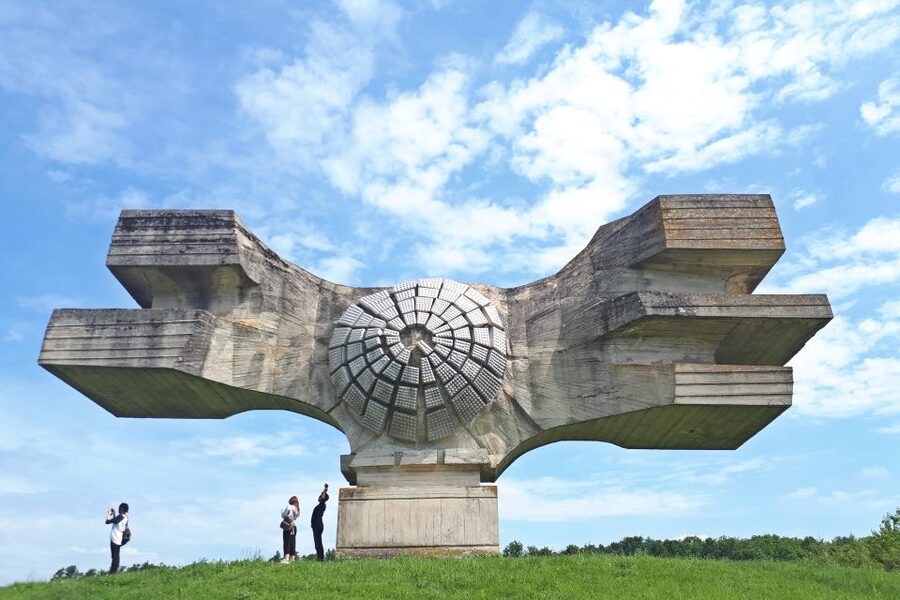
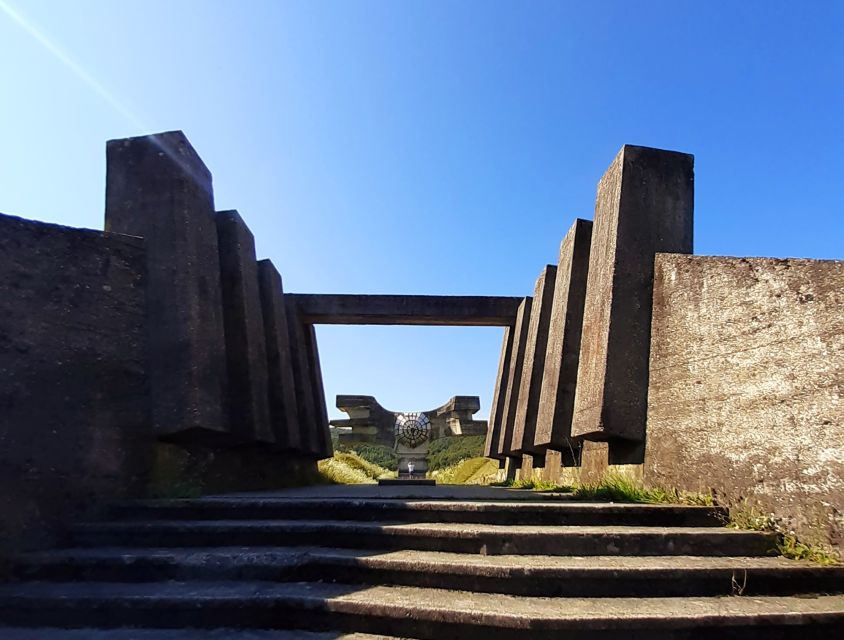
Your first stop is Podgarić, where you’ll visit the Monument to the Revolution of the People of Moslavina. This is the “prelude” stop. It helps you understand that Yugoslav memorial culture wasn’t only about remembering catastrophe. It also preserved political ideas and revolutionary identity.
What you’re likely to appreciate here is the shift in tone. Early in the day, you’re meeting a monument meant to communicate purpose and collective struggle, not only mourning. That sets up a sharper contrast later at Jasenovac, where the subject turns to victims and atrocity.
Practical note: this is still outdoors. Wear shoes you’ll be comfortable in for walking and standing around in different conditions. Open-toed shoes are not allowed, so keep that in mind when you choose footwear.

Jasenovac: Stone Flower Monument and the memorial museum
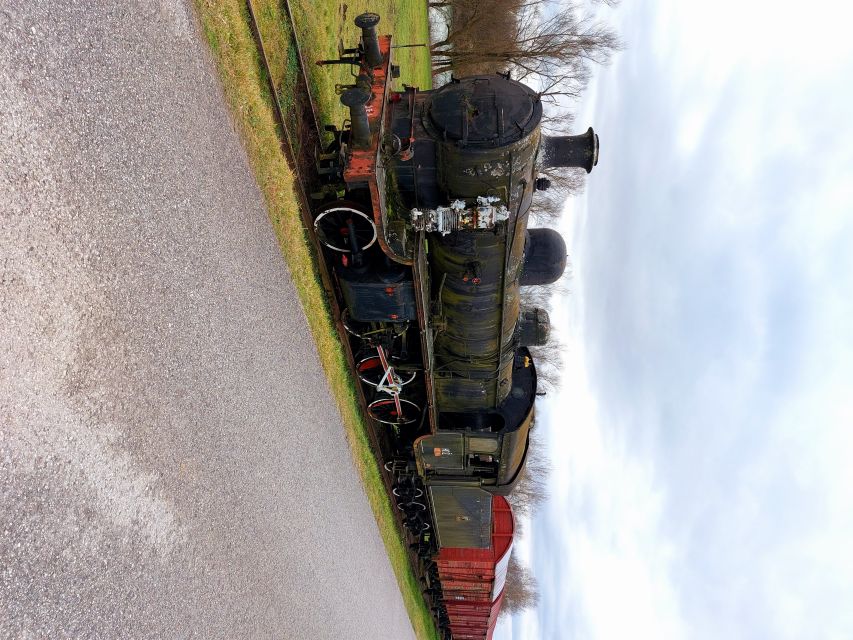
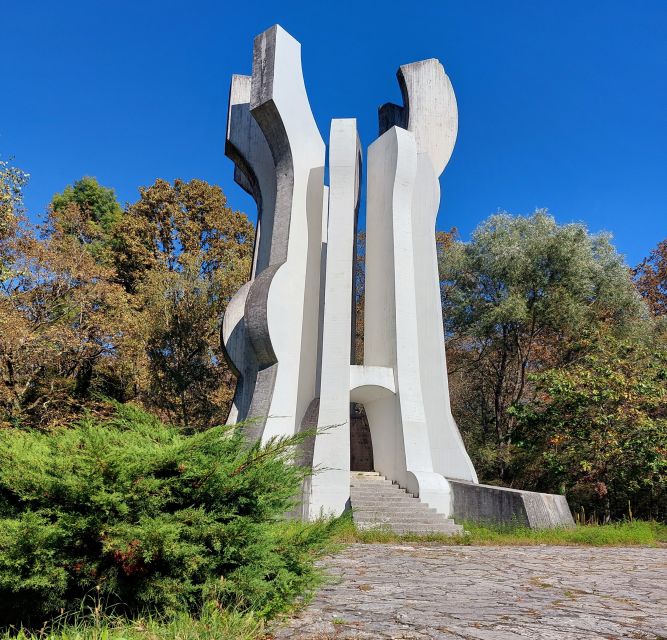
At 10:30, the tour moves to Jasenovac, one of the most emotionally difficult stops you can choose on a Croatian itinerary. Here you’ll see the Stone Flower Monument and visit the Museum of Jasenovac concentration camp.
I think this stop is the heart of the experience. It’s the moment where the tour stops being mainly about art-as-memory and becomes about the human cost of fascism. The Stone Flower Monument is a stark, intentional form of commemoration, and the museum visit is crucial because it adds context and documentation to what you see.
One past booking described it as sad and beautiful on an artistic and historic level, and that’s a fair way to frame it. Sad, because the subject matter is brutal. Beautiful, because the memorial space is treated with care and because the monument language tries to keep remembrance from becoming abstract.
For your own planning: give yourself mental space. This isn’t a stop you’ll enjoy the way you enjoy a viewpoint. It’s more like learning, witnessing, and reflecting. If you’re the type who needs a quiet buffer after heavy sites, you’ll probably want a snack break and a calm moment before the final leg.
Also, this is included as a museum visit (not just an exterior photo stop), so you’re getting time spent where details matter.
Sisak’s Brezovica forest and the Monument of the Detachment
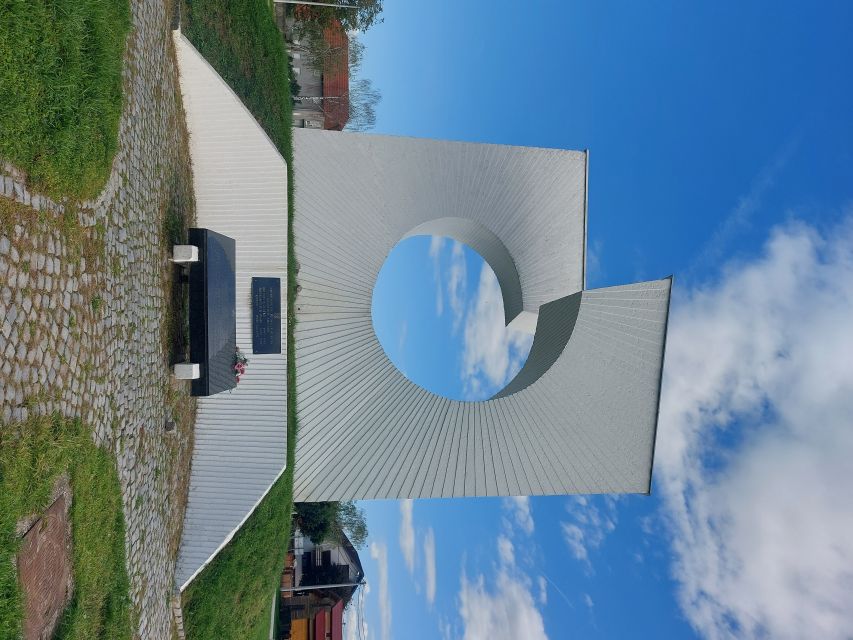
After Jasenovac, you head to Sisak. The final monument is the Monument of the Detachment located in the Brezovica forest area. The last stop is at 12:30, with drop-off back in Zagreb around 15:00.
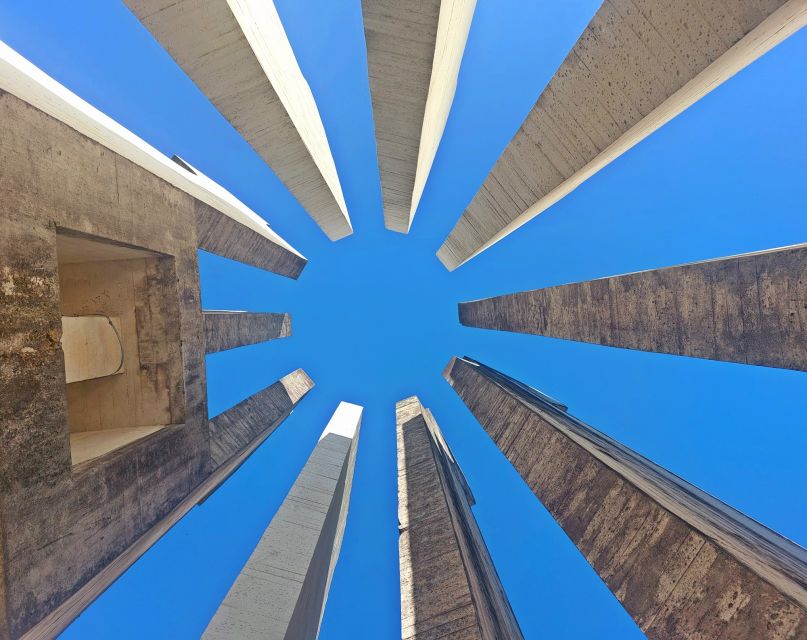
In plain terms, this is the “space and setting” moment. The forest context changes the way you experience the monument. Instead of a cemetery-like open view, you’re dealing with woodland surroundings and a more secluded atmosphere. In one review, this location was described as hiding in the forest, and that sense of being removed from daily life is part of the effect.
Another detail that’s easy to overlook: flashlights are included for exploration. That doesn’t tell you exactly what you’ll encounter inside a specific structure, but it does signal that the tour expects some dark or low-light areas. Bring a practical mindset and let the flashlight be part of the flow.
This stop also rounds out the day’s theme. Earlier you start with revolution remembrance, then confront concentration-camp memorialization. Here, you shift to a memory tied to a detachment story. It’s another piece of the bigger Yugoslav-era puzzle, showing how different events and identities shaped how monuments were built and used.
English guide time and what the tour is really offering
This is a private group tour, with an English live guide. In a past booking, the guide name was Patrik, and the standout detail was how he tied the monuments to the background you need to make sense of them. That’s what I’d look for if you’re choosing this tour for more than one-photo bragging rights.
A good memorial tour can easily become a list of locations. The difference here is that the tour is organized around the “why” of the spomeniks, not just the “where.” You’re given a day plan, but you’re also set up to ask questions and connect the sites into a coherent understanding of turbulent Yugoslav history.
The driver and route also matter. One booking praised the information from both the guide and driver. That combination helps because you’re moving through rural areas where the context can get lost if you’re doing it alone with only a map.
Price per group: does $402 feel fair for this kind of day?
The price is listed as $402 per group up to 2 people, for a 10-hour tour. That can sound steep if you’re comparing it to a standard group bus tour. But you’re not buying a bus ticket. You’re buying private transportation, pickup and drop-off from your accommodation, a local guide, museum time at Jasenovac, and flashlights for exploration.
For the value side, here’s what you’re getting that’s hard to replicate on your own as easily:
- All transport is handled, including pickup and timed route between three separate locations.
- A guide explains regional background tied to the monuments, which is where most self-guided trips struggle.
- Jasenovac museum visit is included, which is more than a quick curbside stop.
- You get a focused, full-day plan rather than stitching together multiple rides and entry decisions.
If you’re traveling solo and you’ll be paying per-person anyway, it might feel like a luxury. But if you’re two people sharing the group price, it becomes more realistic—especially when you consider how spread out these sites are and how emotional and context-dependent the stops are.
What to bring, what to wear, and how to stay comfortable
This is one of those tours where logistics can affect your experience, so plan ahead.
Bring:
- Passport or ID card
Wear:
- Closed, sturdy shoes. Open-toed shoes are not allowed.
Plan for:
- Rain or shine. Dress in layers, and expect outdoor walking/standing.
- No lunch included, so think about when you’ll eat before you start or after you return.
And because the tour includes flashlights, it’s smart to dress for nighttime or shaded areas if the forest stop includes darker zones. You don’t have to bring gear for that part, but you should wear clothes you don’t mind getting damp.
Who this Zagreb memorial sites tour suits best
This is a strong choice if you want an off-the-beaten-track day with meaning. It fits best if you:
- enjoy history tied to place, especially Yugoslav-era memory culture
- like the overlap of art and commemoration (Spomeniks are designed objects, not random memorial markers)
- prefer a private group where you can move at your own pace within the schedule and ask questions
It’s also a good fit if you’re already spending time in Zagreb and want a structured way to see something people often skip. Croatia’s beach reputation is loud. This tour gives you the quieter, more complicated side.
It’s not suitable for wheelchair users, so if mobility is a concern, skip this exact format and look for a different accessibility-friendly option.
Should you book the Zagreb Yugoslavia Memorial Sites Tour?
I’d book it if you want a guided, well-timed route through three spomeniks that connect Yugoslav history to how people remembered revolution, fascist terror, and partisan-linked detachment. The fact that Jasenovac includes the museum is a big deciding factor for me. You’re not only witnessing; you’re learning in a structured way.
I would think twice if you’re sensitive to heavy topics and you don’t handle memorial days well. This isn’t a light sightseeing loop. Also, make sure you’re okay with no lunch included, and plan your shoes and clothes for outdoor conditions since it runs rain or shine.
If you’re traveling as a pair, the per-group pricing up to two people can feel more balanced. If you’re traveling alone, you may want to compare whether the private format and guide-led context is worth the added cost for you.
FAQ
How long is the Zagreb Yugoslavia Memorial Sites Tour?
It lasts 10 hours.
What time does the tour pickup start in Zagreb?
Pickup is at about 08:00 from the arranged location.
What stops are included on the tour?
You visit three locations: Podgarić, Jasenovac (Stone Flower Monument and the Museum of Jasenovac concentration camp), and Sisak (Monument of the Detachment in the Brezovica forest).
Is the Jasenovac memorial museum visit included?
Yes, the Jasenovac memorial museum visit is included.
What language is the live guide?
The live guide is English.
Is lunch included?
No, lunch is not included.
What is the price?
The price is $402 per group up to 2.
Are flashlights included?
Yes, flashlights are included for exploration.
What should I bring and what’s not allowed?
Bring a passport or ID card. Open-toed shoes are not allowed.
Is the tour wheelchair accessible?
No, it is not suitable for wheelchair users.
Does the tour run in bad weather?
Yes, it takes place rain or shine.
Should you book the Zagreb Yugoslavia Memorial Sites Tour?
Book it if you want a private, English-guided day that treats spomeniks as more than photo stops. The museum visit at Jasenovac plus the two additional monuments gives you a fuller, better-ordered picture of Yugoslav-era remembrance. Plan for a heavy emotional topic, bring proper shoes, and sort your lunch on your own.
More Tours in Zagreb



More Tour Reviews in Zagreb

More Yugoslav-Era History Tours

Not quite it? More Zagreb tours and day trips
- Jump into Zagreb: Walking Tour with local guide
★ 4.8 · 3 reviews - Zagreb : Highlights Walking Tour With A Guide
★ 4.7 · 3 reviews - Zagreb Food Tour: Bite into Traditional Dishes and Flavors
★ 5.0 · 3 reviews - Zagreb to Split private transfer with National park Plitvice lakes guided tour
★ 5.0 · 3 reviews - Plitvice Lakes and Rastoke Private Day Tour from Zagreb
★ 5.0 · 3 reviews - Plitvice Lakes Private Guided Tour from Zagreb with Transfer to Split
★ 5.0 · 3 reviews - Private transfer from Zagreb to Zadar with Plitvice Lakes private tour
★ 5.0 · 3 reviews - Plitvice Lakes Hidden Gems from Zagreb
★ 5.0 · 3 reviews
Communist & Yugoslav-Era History Tours, compared.
 ★ 5.0Communism & Croatian Homeland War TourFrom $471,355 reviews
 ★ 4.9Communism and Croatian Homeland War TourFrom $44779 reviews
 ★ 5.0Back to Socialism Bike TourFrom $4949 reviews
 ★ 4.62.5-Hour Cycle Back to Socialism TourFrom $5725 reviews
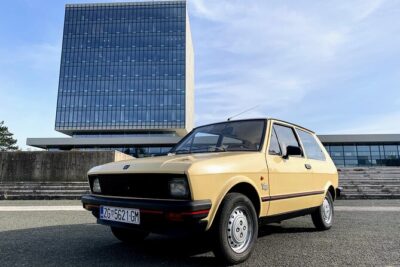 ★ 5.0Back to Yugoslavia Private City Tour in Old-Timer Yugo CarFrom $10224 reviews
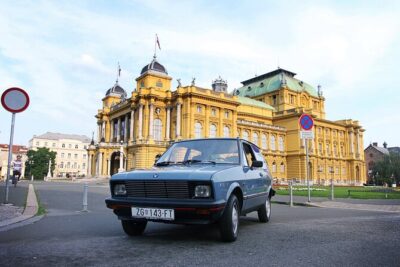 ★ 5.04-hour Private Zagreb & the Mountain Tour in a Yugo carFrom $12620 reviews
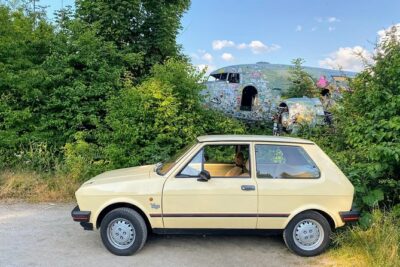 ★ 5.0Full Day Private Tour of Plitvice National Park and Željava Airbase with a YugoFrom $26112 reviews
 ★ 5.0Ex-Yugoslavian “Spomeniks” tourFrom $42111 reviews
Browse the lists this tour appears in